The history of Peru is an epic 15,000-year journey, beginning with ancient societies that thrived across its arid coastlines and high Andean peaks. Remarkably, Peru’s coast was the site of the Norte Chico—the oldest known civilization in the Americas and one of only six independent “cradles of civilization” in human history.
Scientists have proven through DNA sequencing that the original Indigenous people of the Americas were descendants of ancient groups from Northeast Asia (Siberia). These people arrived to South America crossing land that connected Russian and Alaska during the last ice age.
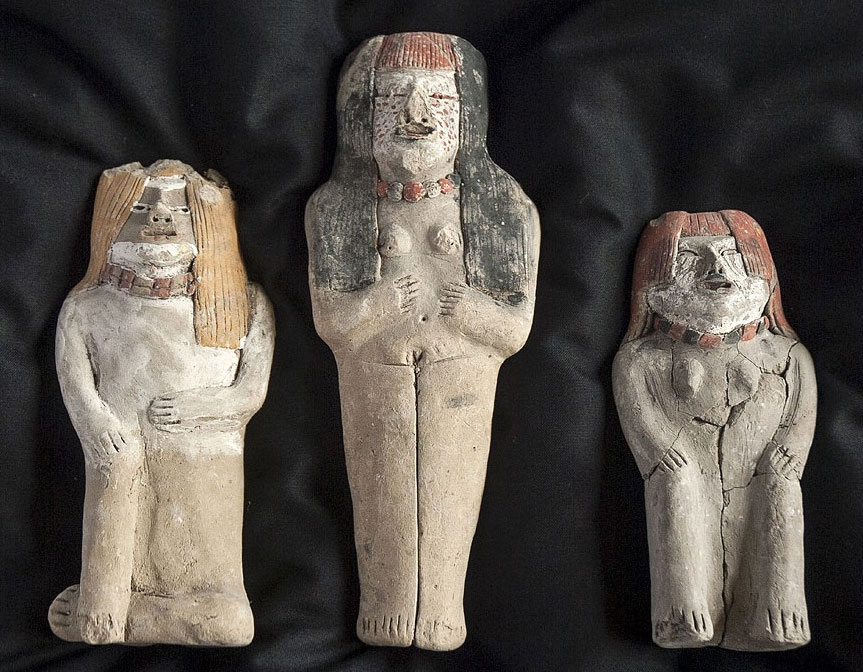
Some of the first indigenous people we know about that settled in Peru were called the Lauricocha. They lived in caves and moved from place to place to hunt for food. About 8,000 years ago, groups like the Telarmachay started to settle down and became some of the world’s first farmers. Instead of just searching for food, they began growing corn and cotton and learned how to raise animals like llamas, alpacas, and even guinea pigs! They also became very talented at making things by hand, like beautiful baskets, warm blankets, and clay pottery.
These indigenous people settling in Perú is one of the “cradles of civilization,” in other words, it is considered one of the places where human society first began all on its own, without being influenced by any other cultures.
Norte Chico 3,500 BCE – 1,800 BCE
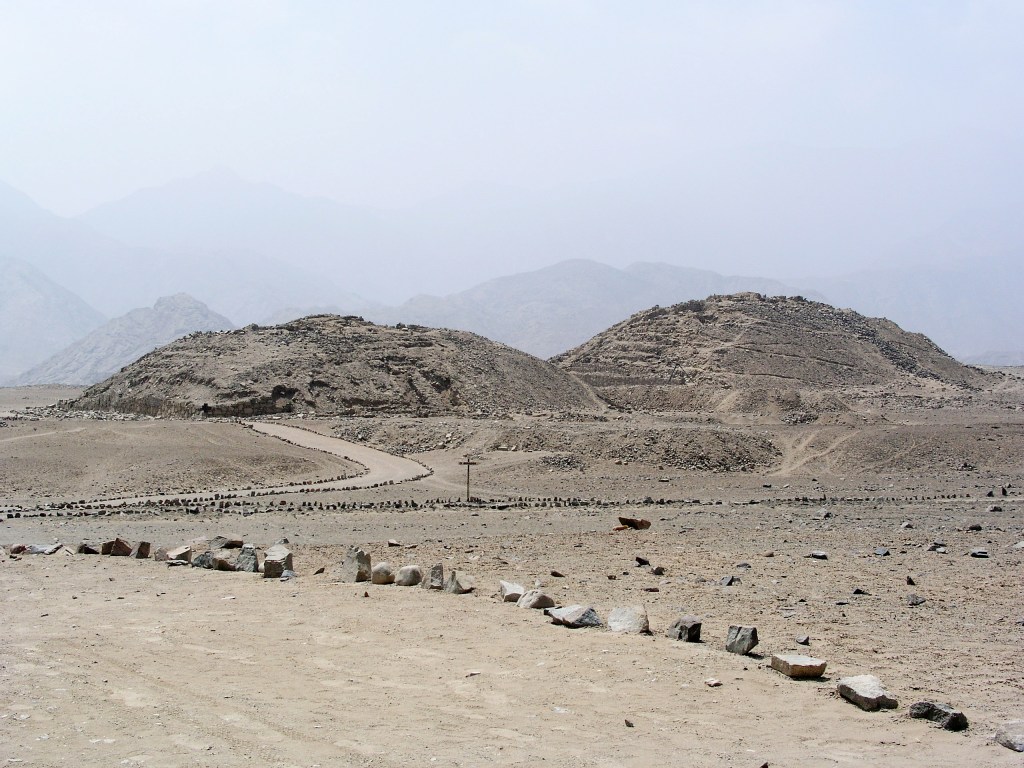
As people learned to farm, they stopped moving around and started building permanent homes and cities. One of these groups was the Norte Chico and dates back 5000 years. They built their famous city called Caral during their peak as a civilization between 2600 BCE and 2000 BCE, though some nearby settlements in the same valley date back even further to around 3500 BCE. So Caral was being built at the exact same time as the Great Pyramids of Egypt!
Caral is the oldest city ever found in the Americas! These people were amazing builders who created giant stone pyramids as tall as five-story buildings. They even figured out how to dig long canals to bring water from rivers to their thirsty crops, proving that these ancient Peruvians were some of the smartest engineers of their time.
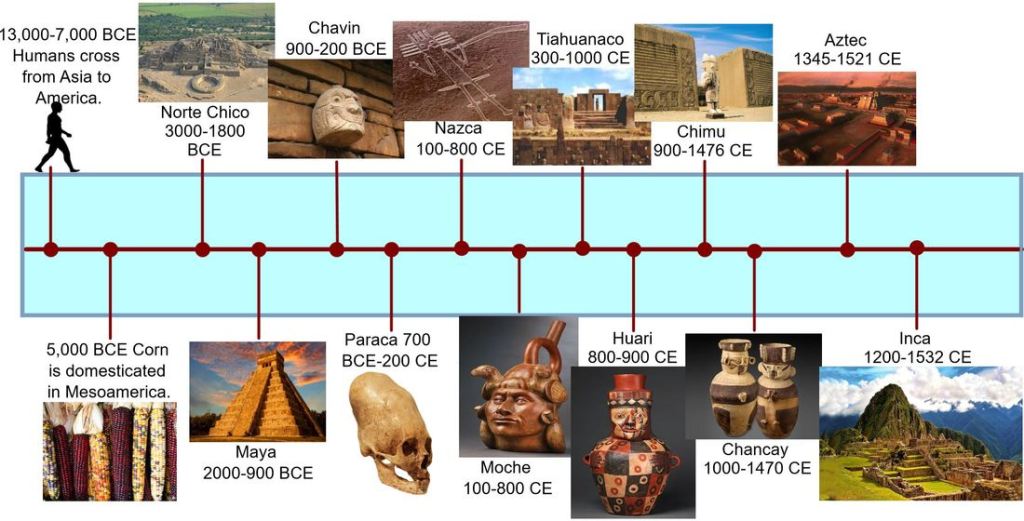
There have been many indigenous peoples that have lived and developed in Peruvian soil. This chart gives one a good idea of some of them and their timeline. Please note that the Maya, and Aztecs are placed in the chart as a reference to other major civilizations in the Americas.
Chavín 900 BCE to 200 BCE
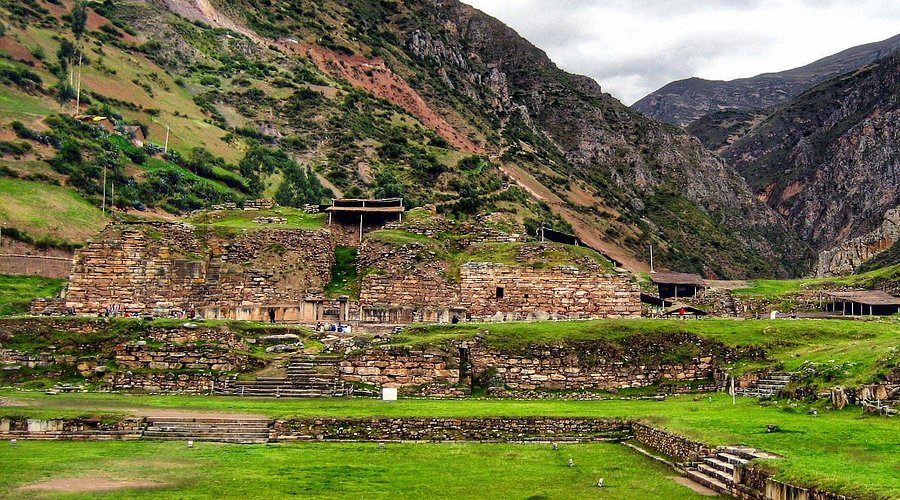
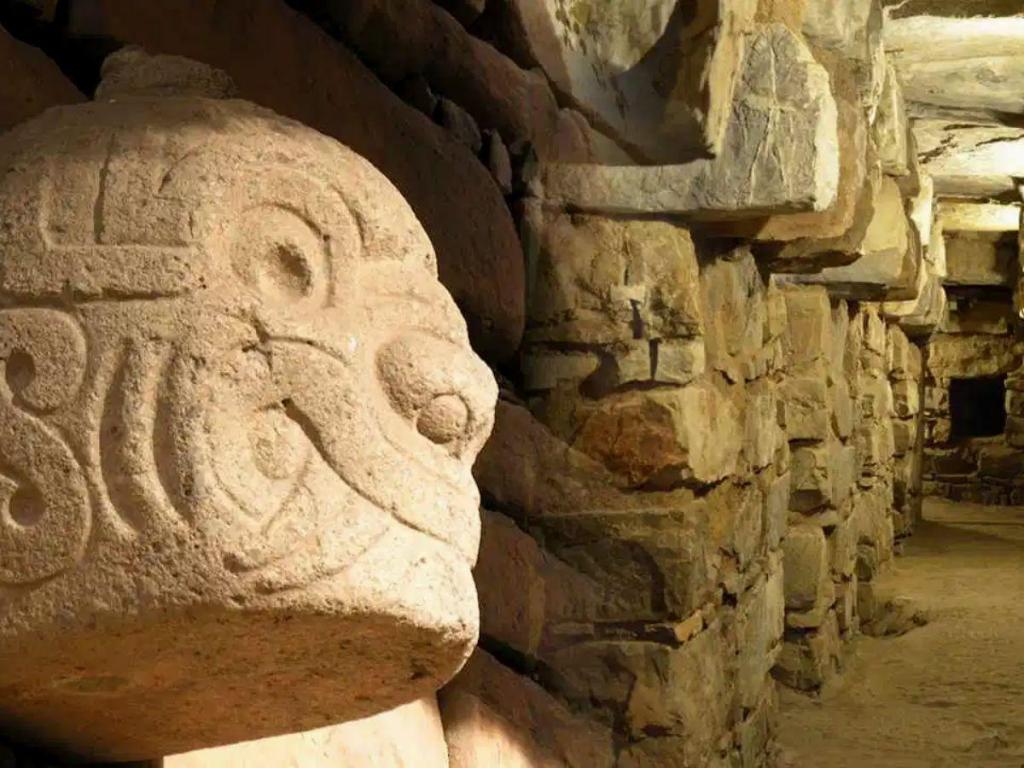
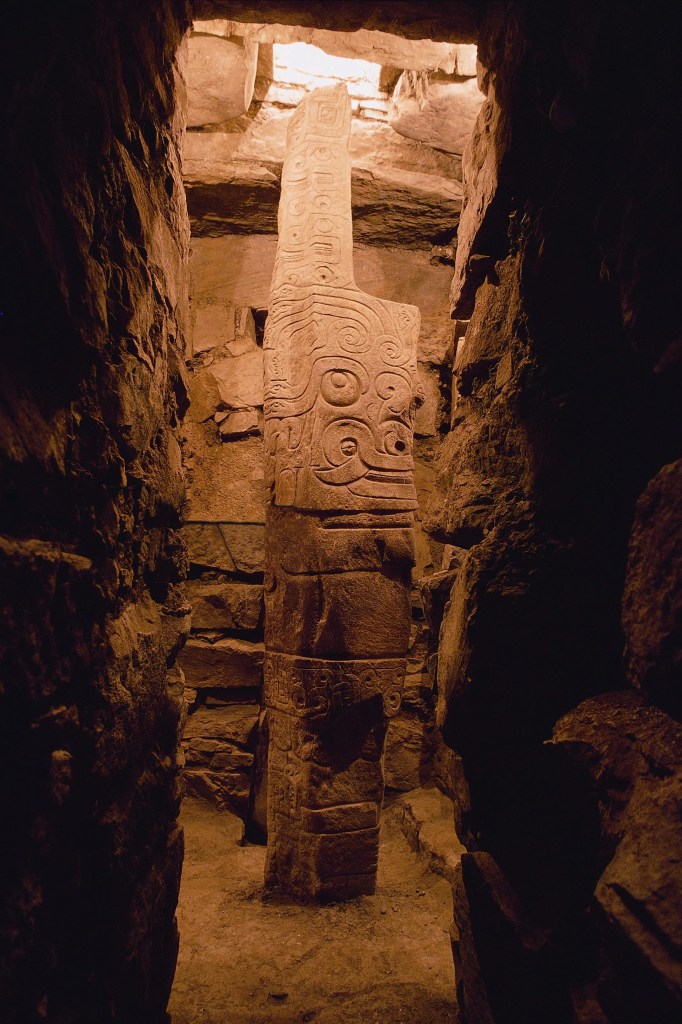
The Chavín people were the great “cultural mother” of the Andes, flourishing during their golden age between 900 BC and 200 BC in the high mountains of northern Peru. They built settlements in the Andes mountains at 10,000 feet (3,000 m). Their greatest accomplishment was the creation of a powerful, unifying religious movement centered at their massive stone temple, Chavín de Huántar.
They were master architects and engineers who built complex underground drainage systems and “acoustic galleries” designed to make the temple roar like a jaguar when water or wind passed through. Beyond their engineering, they were famed for their sophisticated stone carvings and goldsmithing, which featured “staff gods” and fierce predators, spreading a distinct artistic style that influenced almost every South American culture that followed them.
Paracas 800 BCE to 100 CE
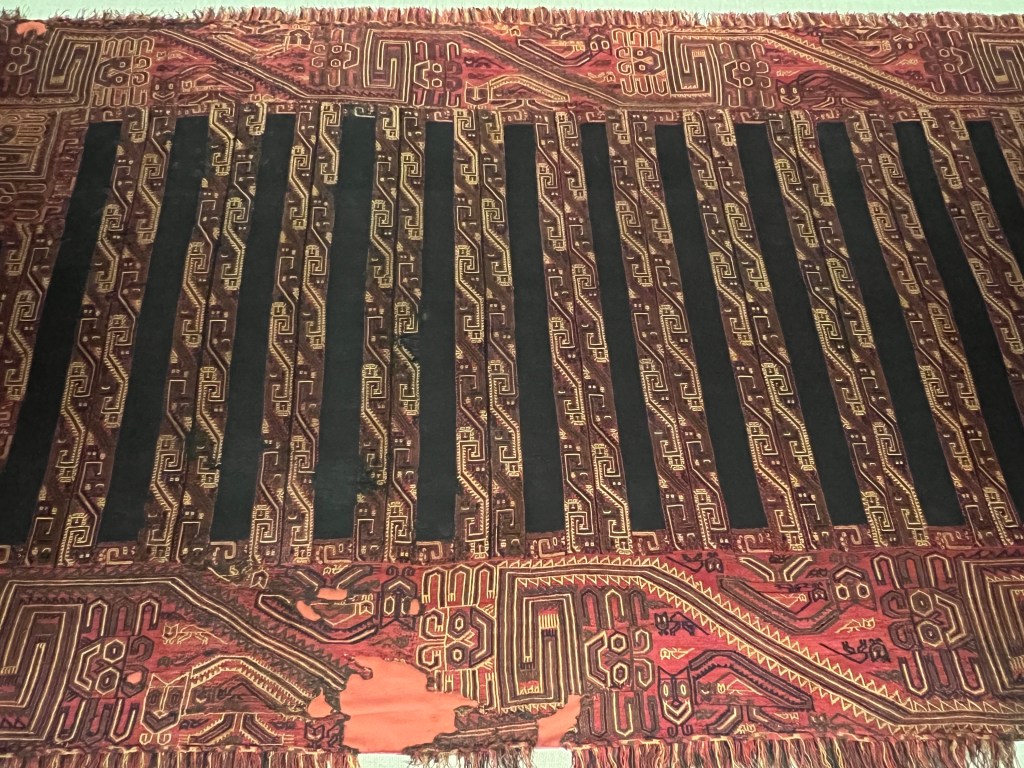
The Paracas people were a desert-dwelling society that thrived on the southern coast of Peru from approximately 800 BC to 100 AD. They are most famous for their “Paracas Necropolis” burials and their breathtakingly complex textiles, which are considered some of the finest ancient weavings ever produced. These colorful, intricate embroideries were often used to wrap mummies in massive “funerary bundles.”
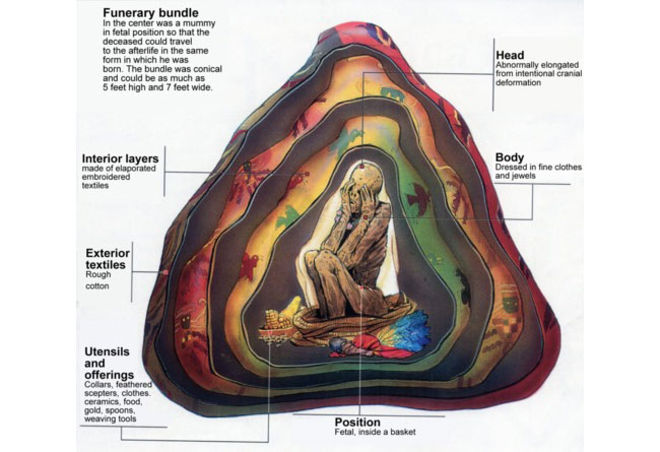
In 1929, the Peruvian archeologist Julio C. Tello unearthed the Paracas Necropolis Wari Kayan, an important site that uncovered 429 mummy bundles, which were unique for the multiple layers of extraordinary woven textiles that enveloped both the body and the grave goods.
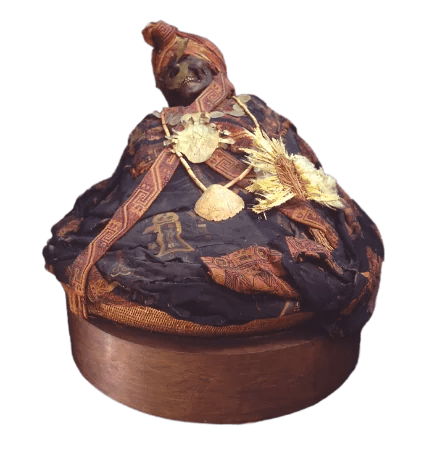
This is an incredible weaving I saw at the Museum of America in Madrid:
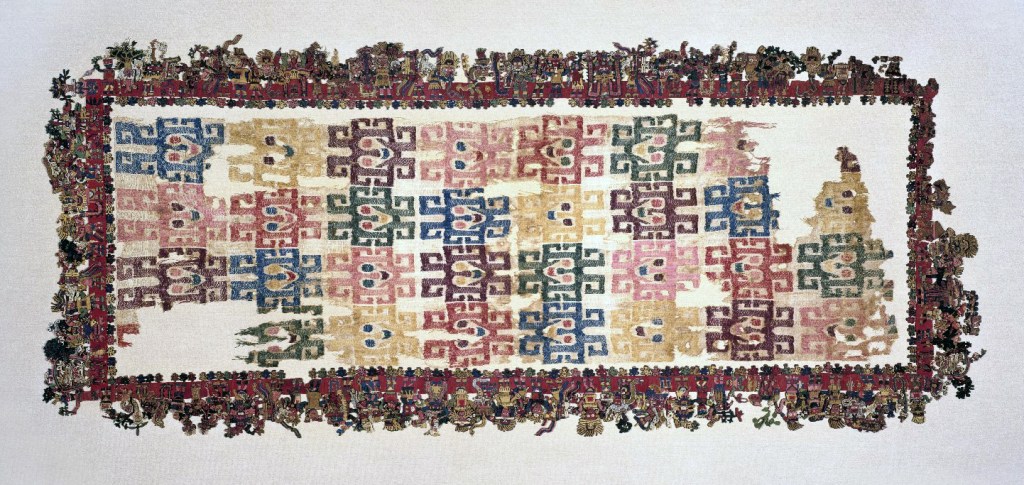
If you have time and are interested in Paraca weaving, see the following link:
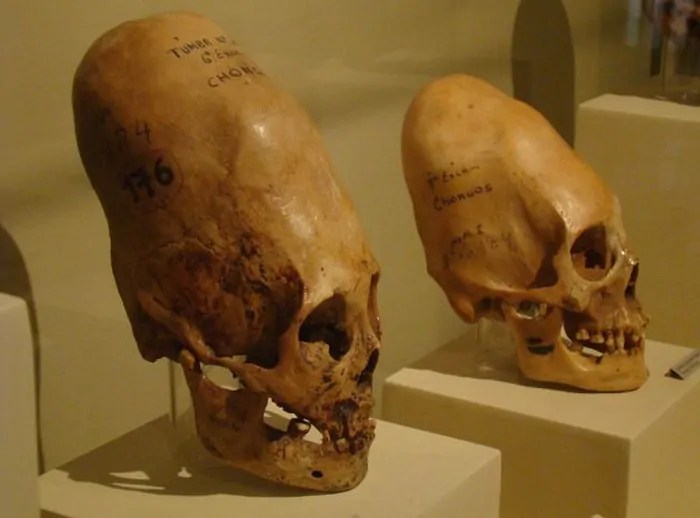
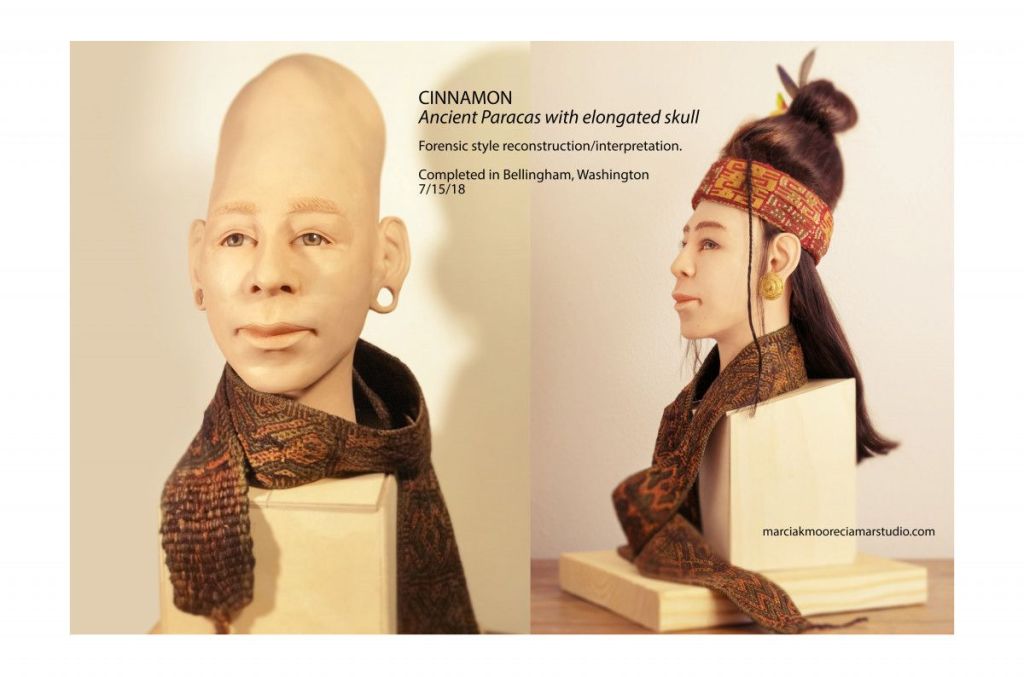
Beyond their art, the Paracas were incredibly advanced in medicine; they successfully practiced trepanation, a form of brain surgery where they removed sections of the skull to treat head injuries, with many patients actually surviving the procedure. They were also known for their elongated skulls of their elite. There is ongoing debate about these elongated skulls being genetic or physically induced by using squishing boards since early childhood.
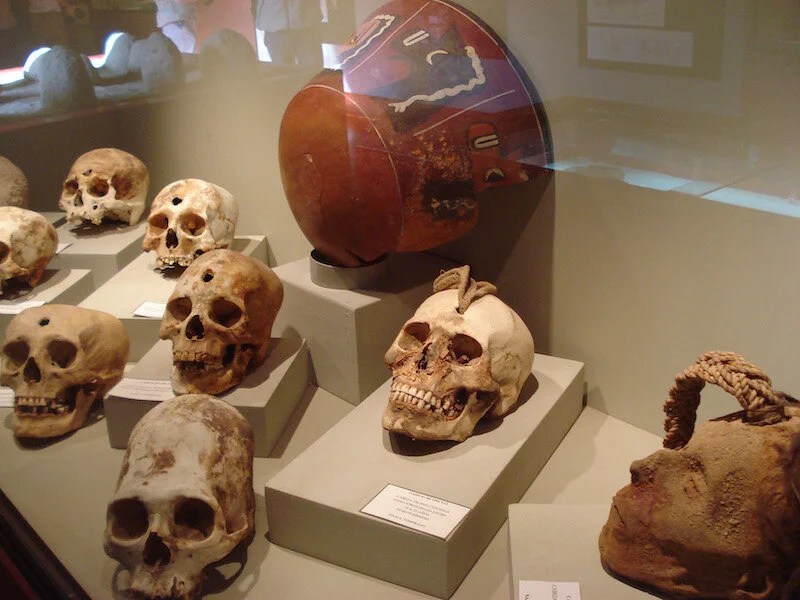
Nazca 100 BCE to 800 CE
The Nazca (or Nasca) people lived in the arid river valleys of southern Peru from approximately 100 BC to 800 AD, flourishing in one of the driest places on Earth. Their most famous achievement is the creation of the Nazca Lines, massive “geoglyphs” etched into the desert floor that depict animals, plants, and geometric shapes so large they can only be fully seen from the sky.
The Nazca lines consist of over 800 straight lines, 300 geometric figures, and 70 animal and plant designs, known as biomorphs. What makes the Nazca Lines so impressiveis that they are giant “mystery drawings” in the dirt that have stayed perfect for over 1,500 years! Even though they are just made of shallow trenches, the desert where they sit has almost no wind and almost no rain, so the drawings never blew away or washed away. It’s like a giant chalkboard that nobody ever erased.
Here are some of the most famous ones:
The Humming Bird:
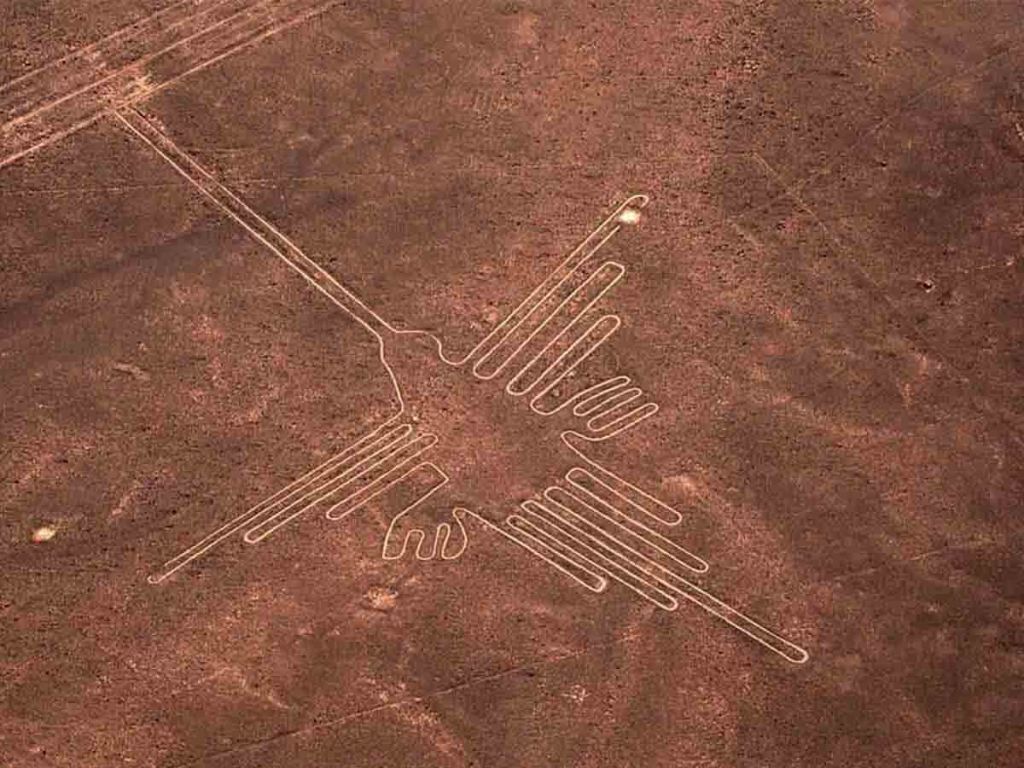
The Nazca Humming Bird measures Approximately 96 meters (315 feet) from the tip of its long, pointed beak to the end of its tail. Its wingspan is roughly 66 meters (216 feet). If you were to stand the Nazca hummingbird up on its beak and lean it against a modern skyscraper, it would reach roughly the 30th or 31st floor!
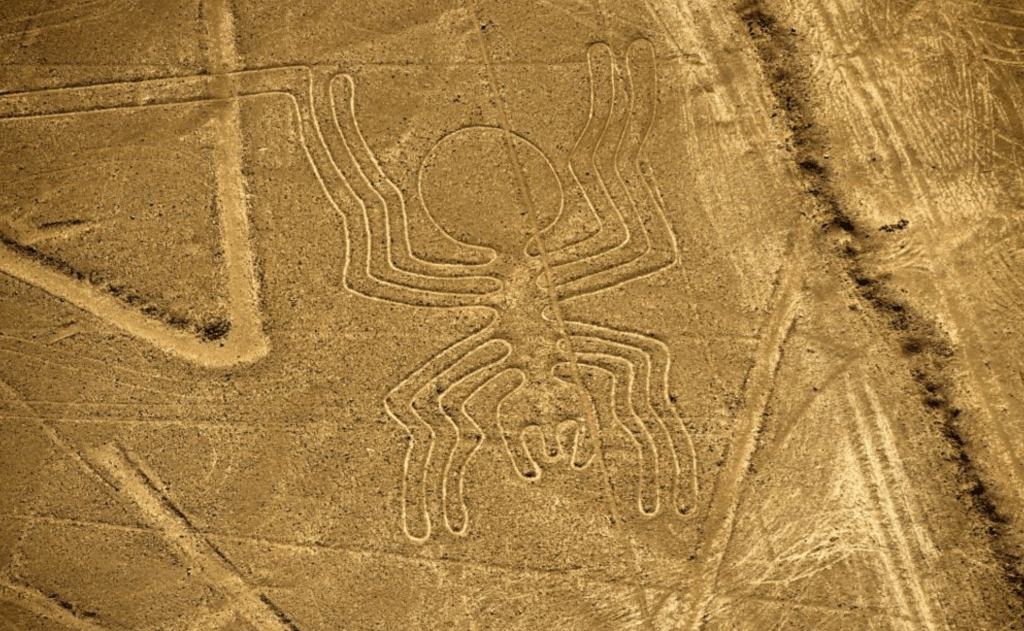
The Spider:
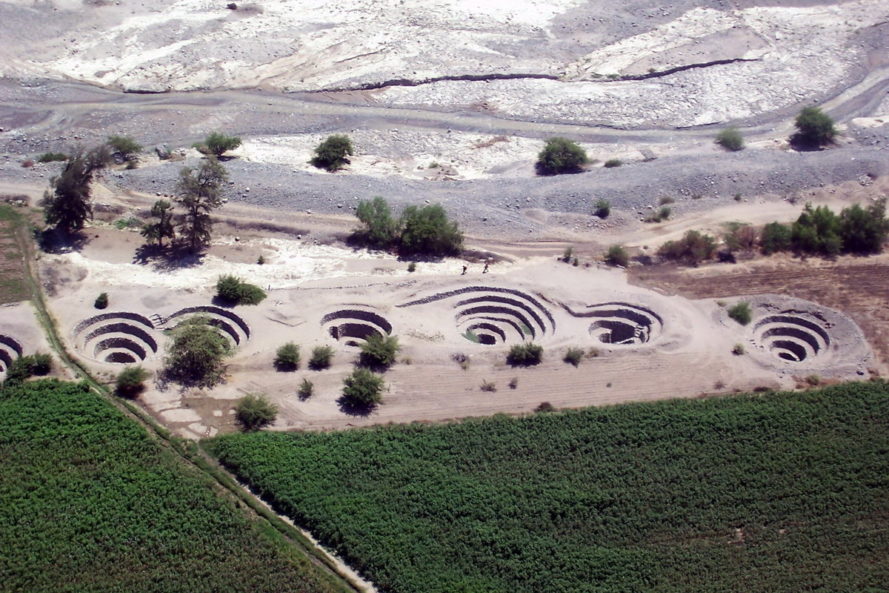
To survive in the desert, the Nazca also engineered the Puquios, a sophisticated system of underground aqueducts and spiral-shaped “eyes” that brought hidden mountain water to the surface, many of which are still functioning today.
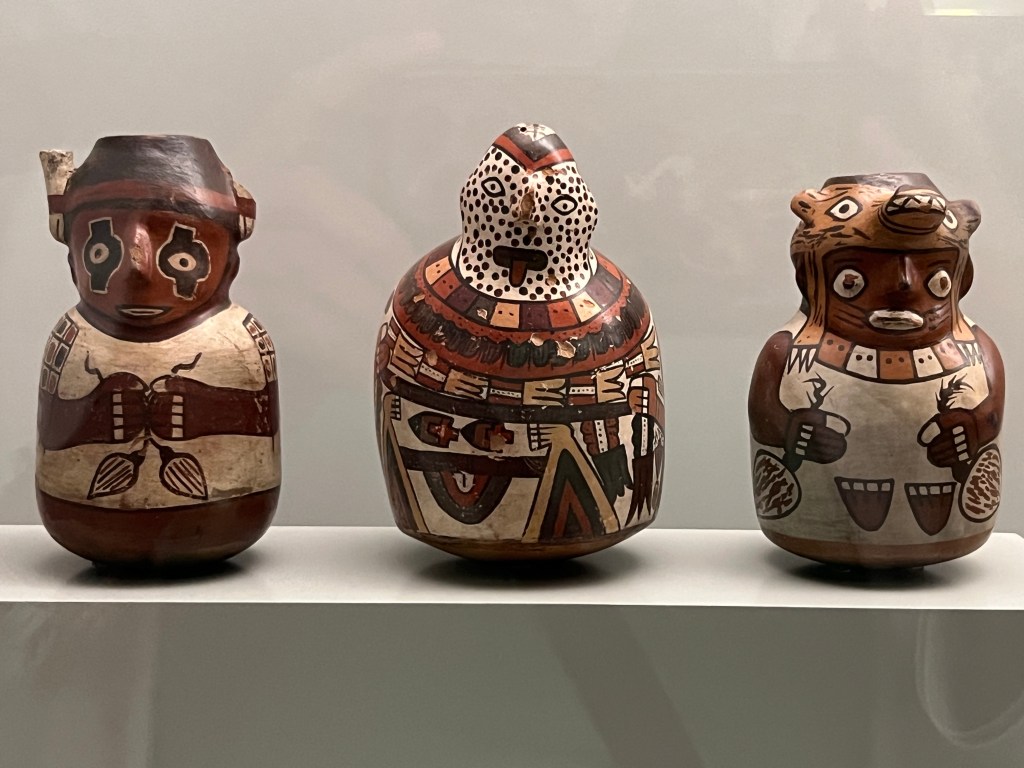
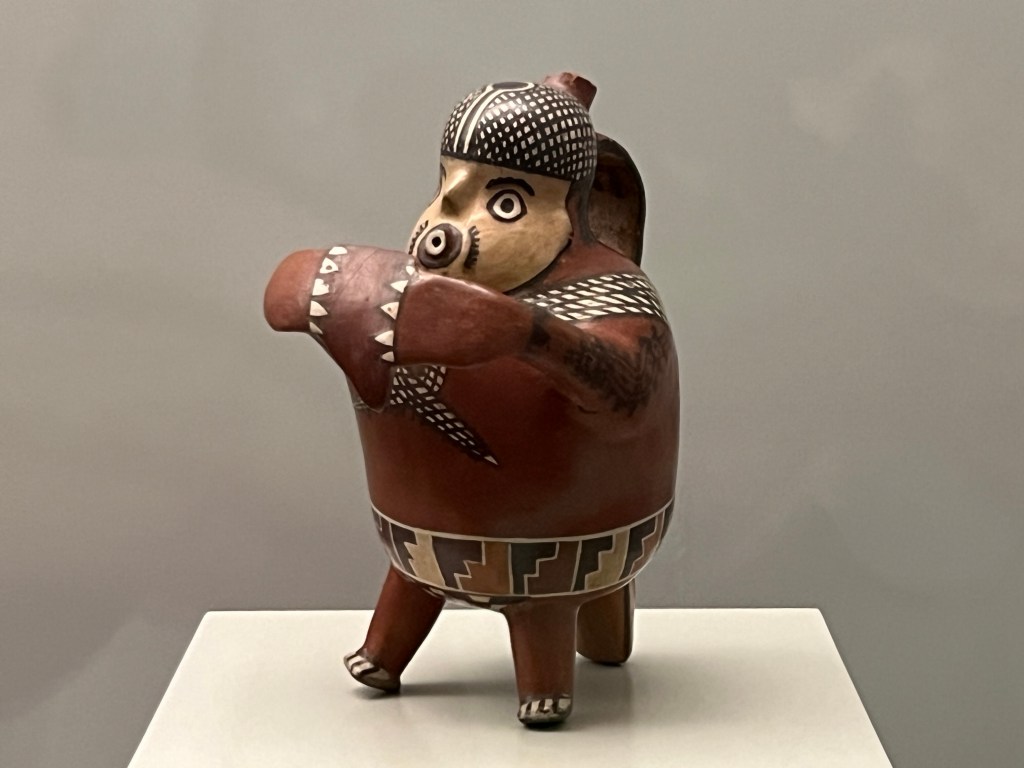
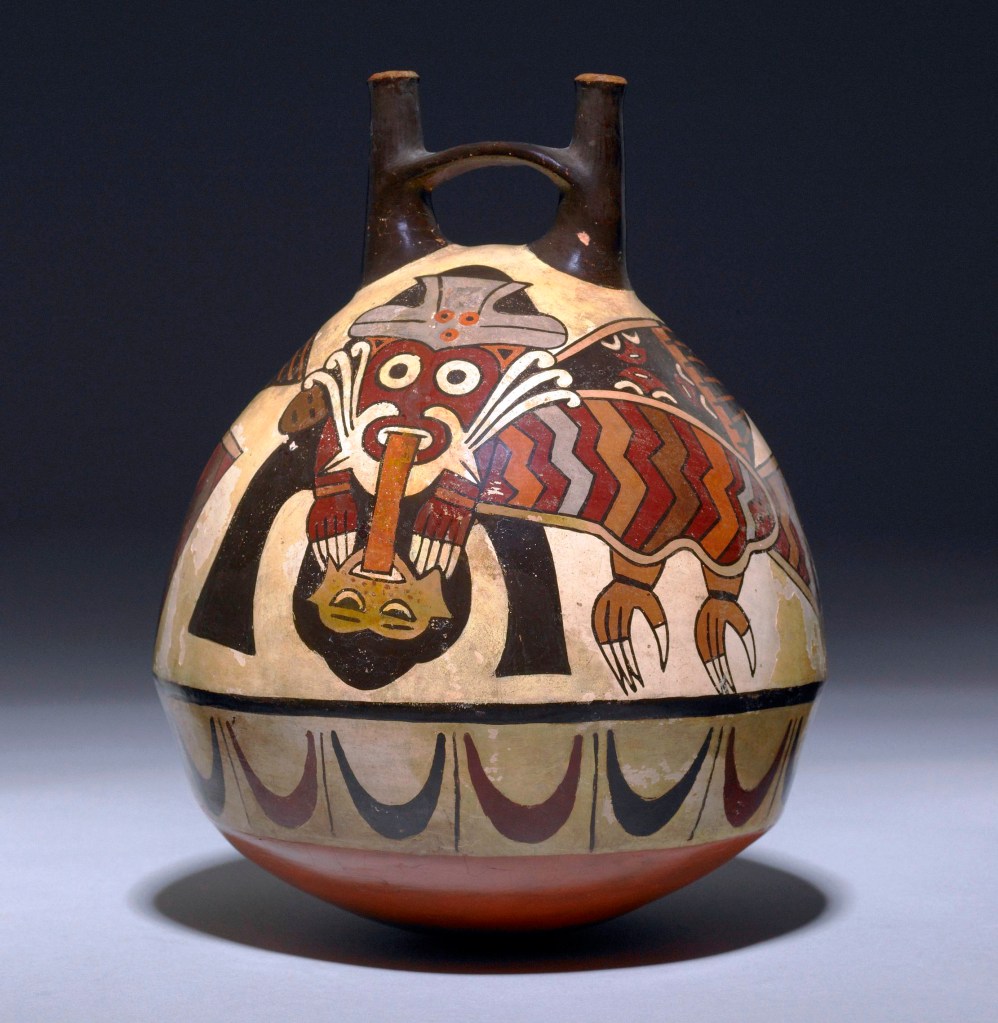
The Nazca were also known as the “Technicolor” potters because the number of colors used by Nasca artists is larger than that used by any other culture in the Americas before European contact. They mastered a palette of at least 15 bold colors made from mineral pigments. Unlike other groups, they used a “pre-fire” painting technique, applying their designs before the clay was baked to create a permanent, glossy finish that has lasted for thousands of years. They filled every inch of their ceramics with intricate images of nature, mythical killer whales, and shamans rarely living any free spaces.
They are most famous for their “double-spout and bridge” vessels, which featured two pouring necks connected by a handle—a clever design that helped prevent water from evaporating in the hot, dry desert.
Chimu 900 BCE to 1470 CE
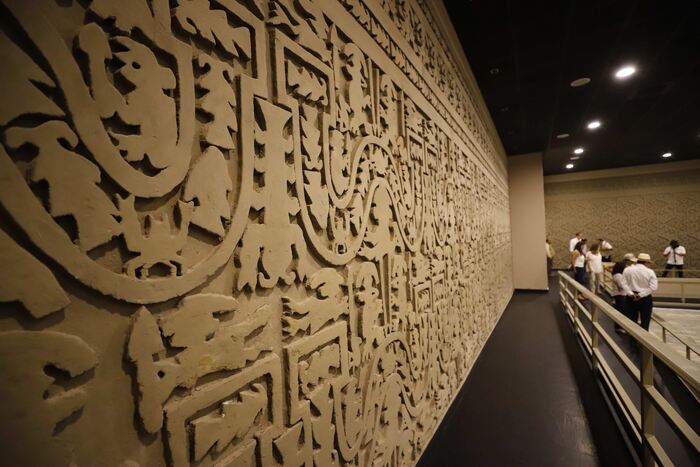
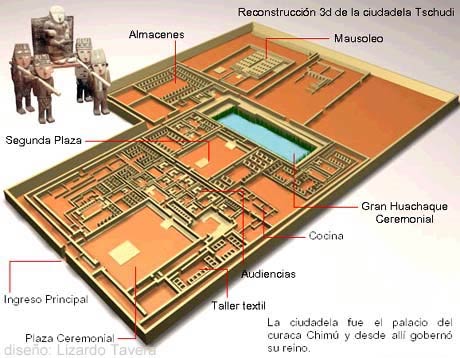
The Chimu people were a powerful coastal civilization that flourished from approximately 900 BCE to 1470 CE, making them the last great kingdom to stand before the rise of the Inca Empire. Their greatest accomplishment was the construction of their capital, Chan Chan, which was the largest adobe city in the world and featured massive, high-walled citadels decorated with beautiful clay carvings of sea birds and fish.
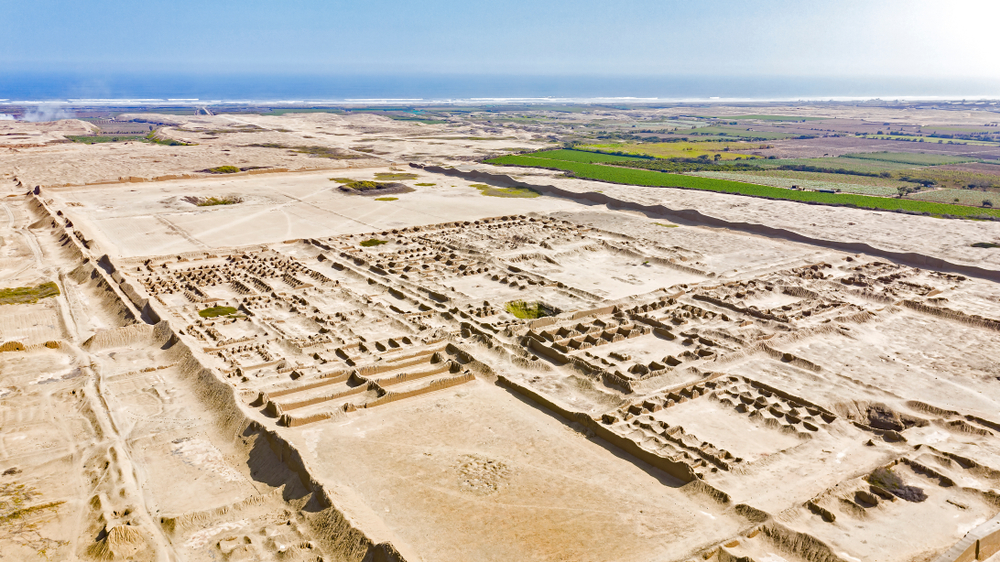
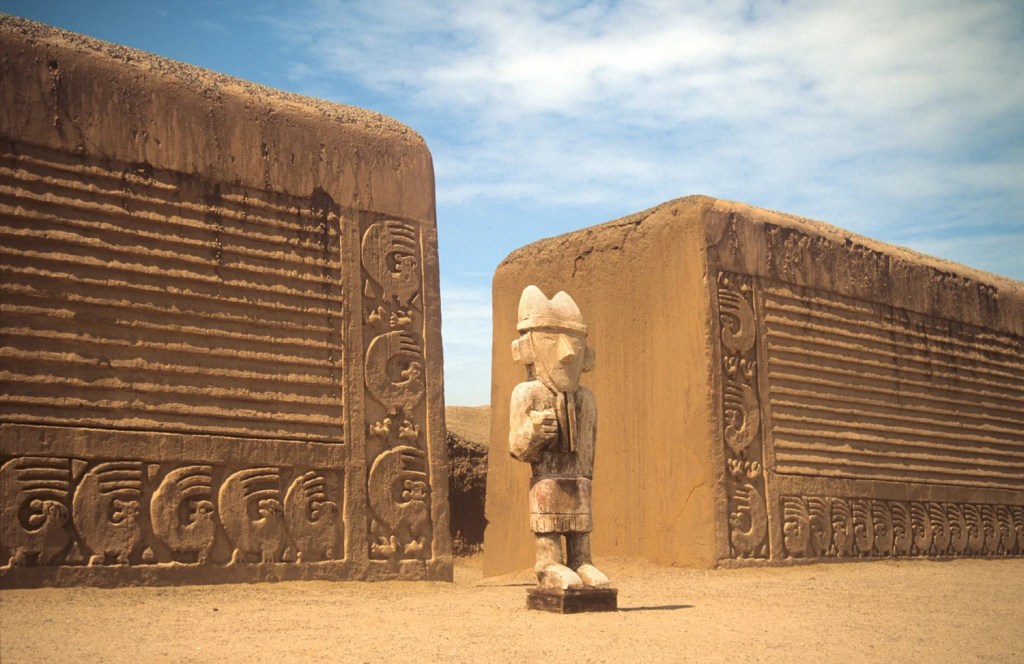
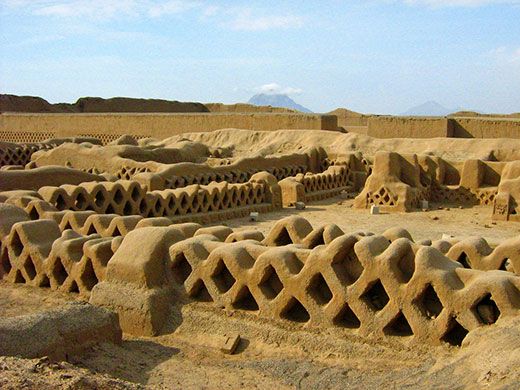
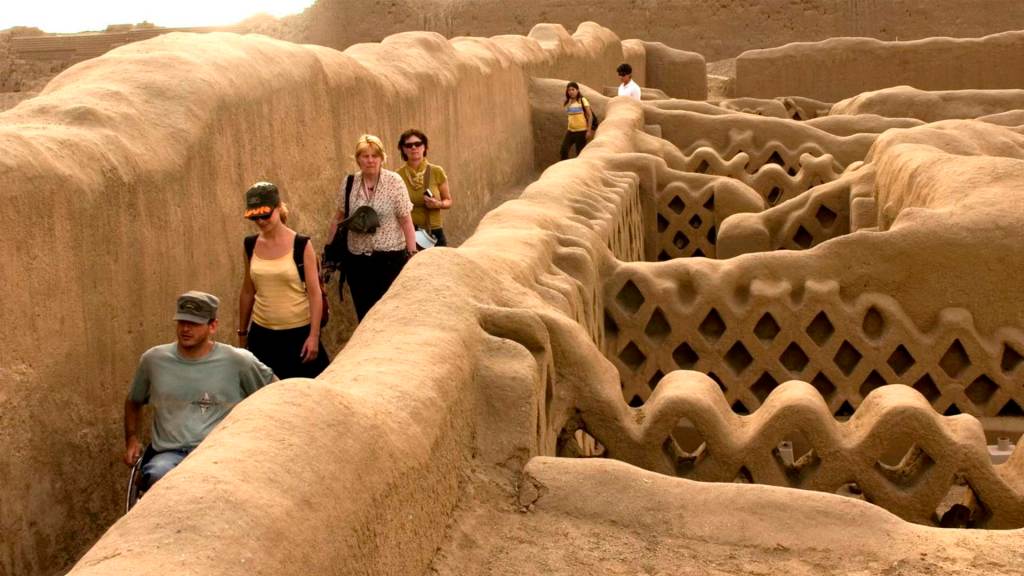
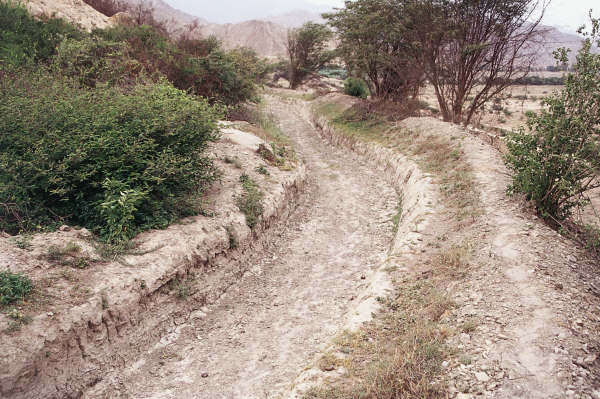
To survive in the arid desert, they engineered an incredible 50-mile-long canal known as the La Cumbre Canal to bring water from the mountains to their fields, showing they were master hydraulic engineers.
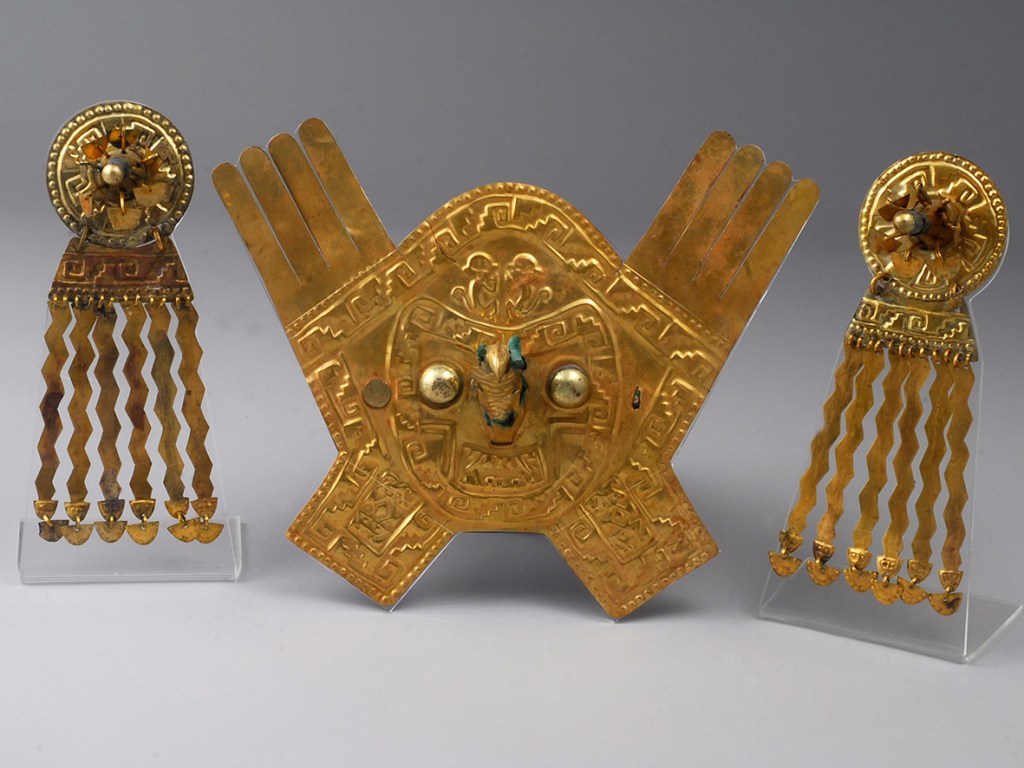
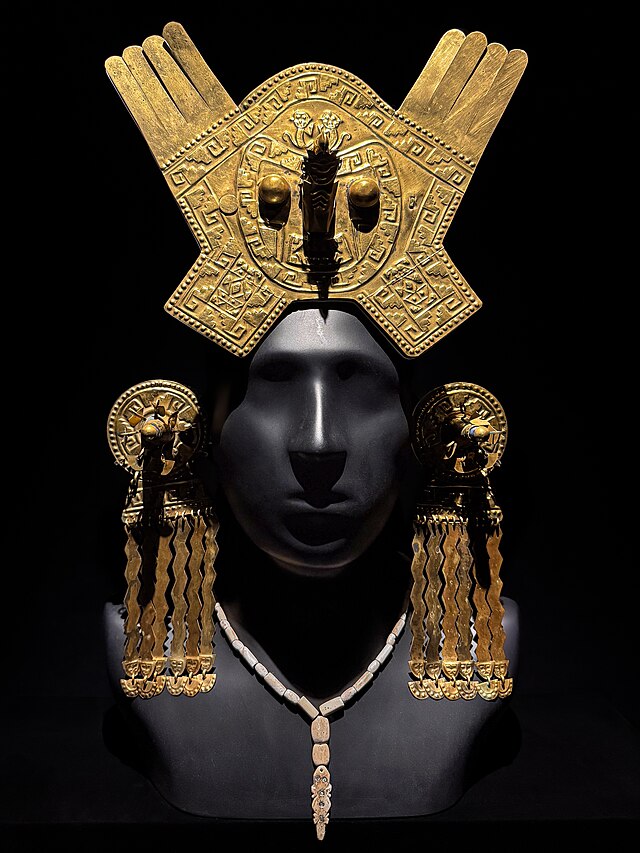
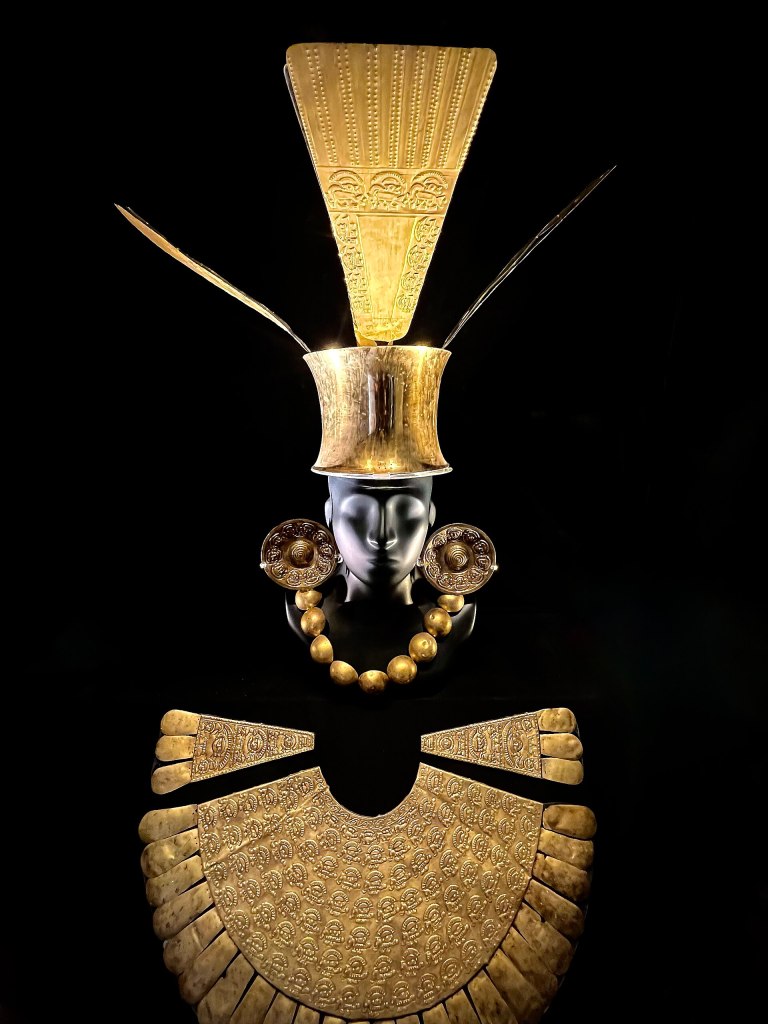
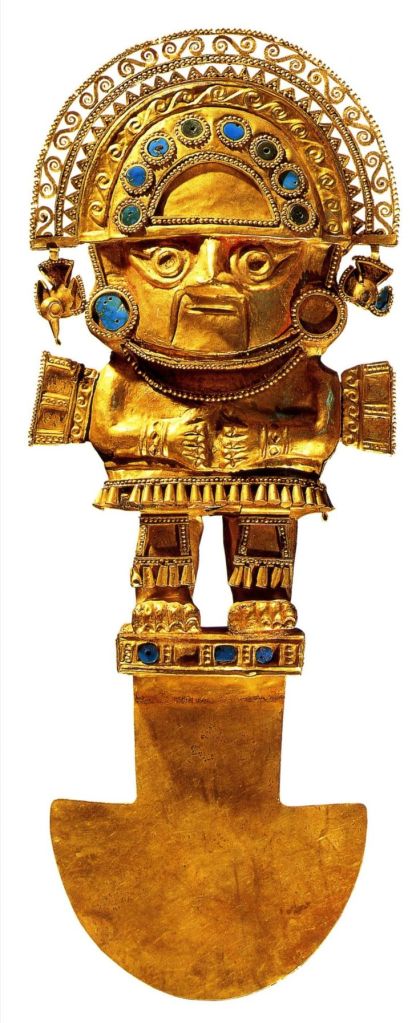
They were also world-renowned goldsmiths and silversmiths, creating the famous Tumi (a ceremonial knife) and elaborate gold masks that were so impressive the Incas eventually took Chimú artists back to Cusco to work for the Emperor.
Inca 1200 CE to 1533 CE
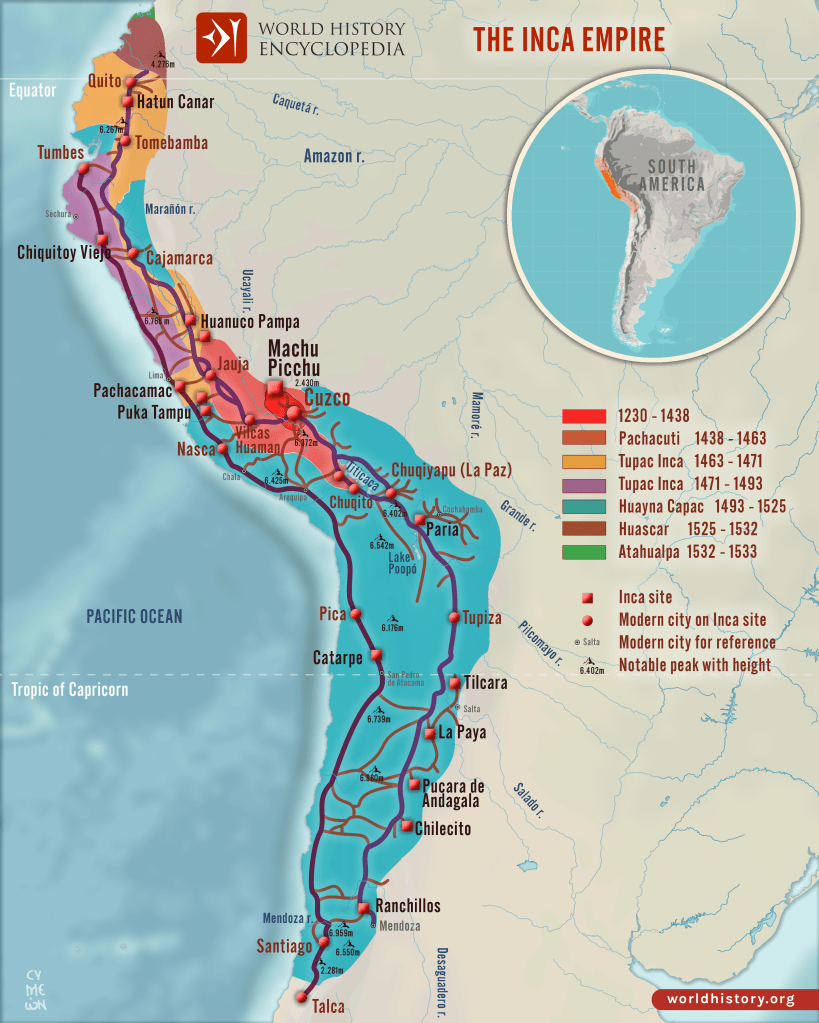
The Inca Empire, which the people called Tawantinsuyu (meaning “The Four Regions Together”), was the largest empire in pre-European history in the Americas. Although the Inca culture began to develop around 1200 CE, it entered its golden age of rapid expansion in 1438 CE under the leadership of Pachacuti Inca Yupanqui. From their sacred capital of Cusco, which was considered the “navel of the world,” the Inca expanded with incredible speed. At its peak, the empire stretched over 2,500 miles along the Andes Mountains, encompassing parts of modern-day Peru, Ecuador, Bolivia, Chile, Argentina, and Colombia, uniting an estimated 10-12 million people under a single sun god, Inti.
Their Capital was Qosco
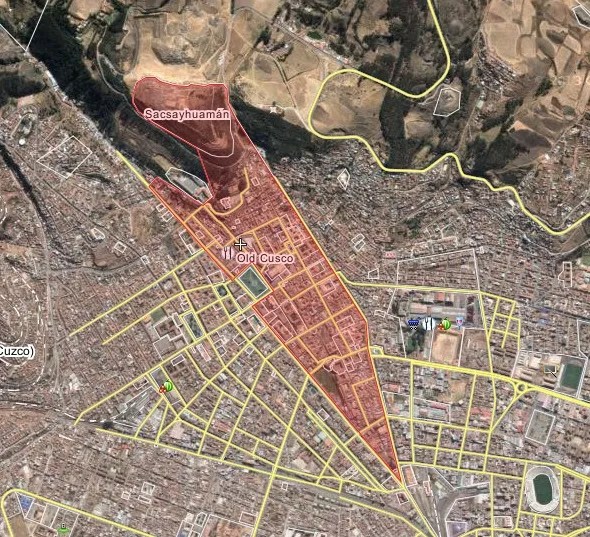
At the heart of everything was the capital city, Qosqo: Cusco (Peruvian spelling) or Cuzco (Spanish spelling). The Inca designed the city’s original layout in the shape of a puma, a sacred animal representing power and the earthly realm. According to the Legend of the Ayar Brothers, the sun god Inti sent four brothers and four sisters—emerging from a cave at Pacaritambo—to find fertile land where a golden staff (a ray of the sun) would sink into the earth. After a long journey marked by betrayal and magical transformations, Manco Cápac and his wife sister Mama Ocllo founded the city and taught the local people the arts of agriculture and weaving.
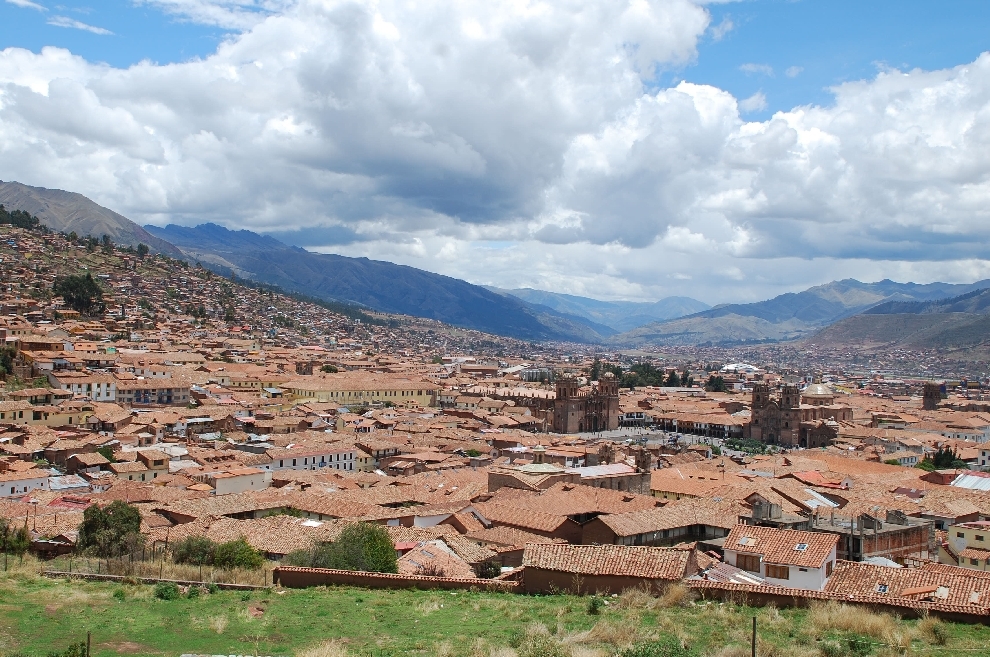
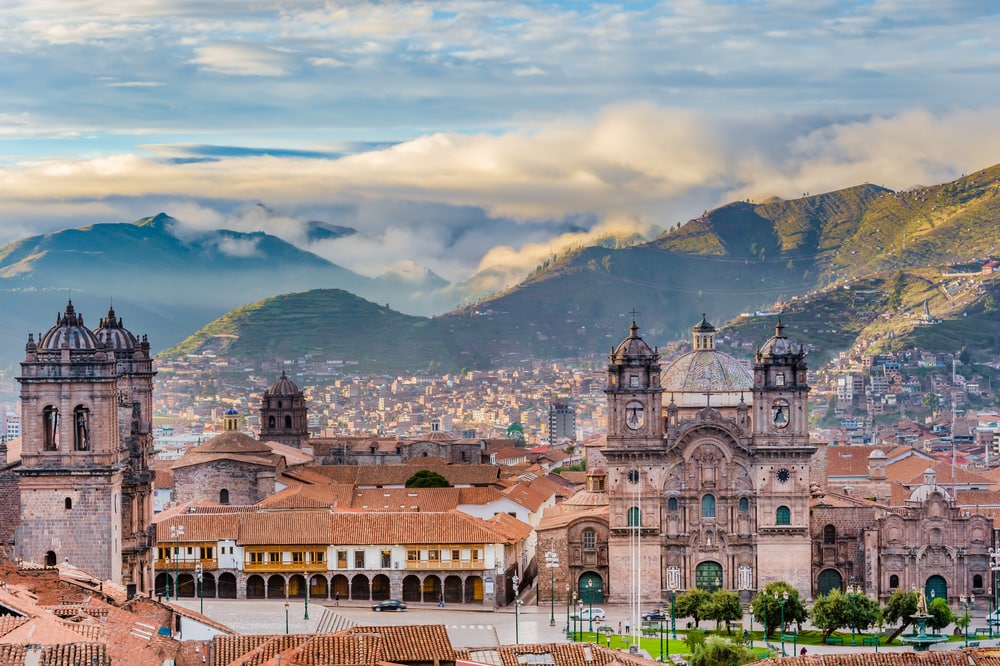
For the next two centuries, Cusco remained a relatively modest stone-and-thatch village. Then it was transformed into a majestic imperial center around 1438 AD by the Emperor Pachacuti. Designed in the symbolic shape of a puma, the city served as the religious and political “navel” of the world, where the four main roads of the empire converged. At its peak in the early 16th century, the city itself housed an elite population of approximately 40,000 to 150,000 people, though the surrounding valley supported a much larger density of residents who maintained the empire’s administrative heart.
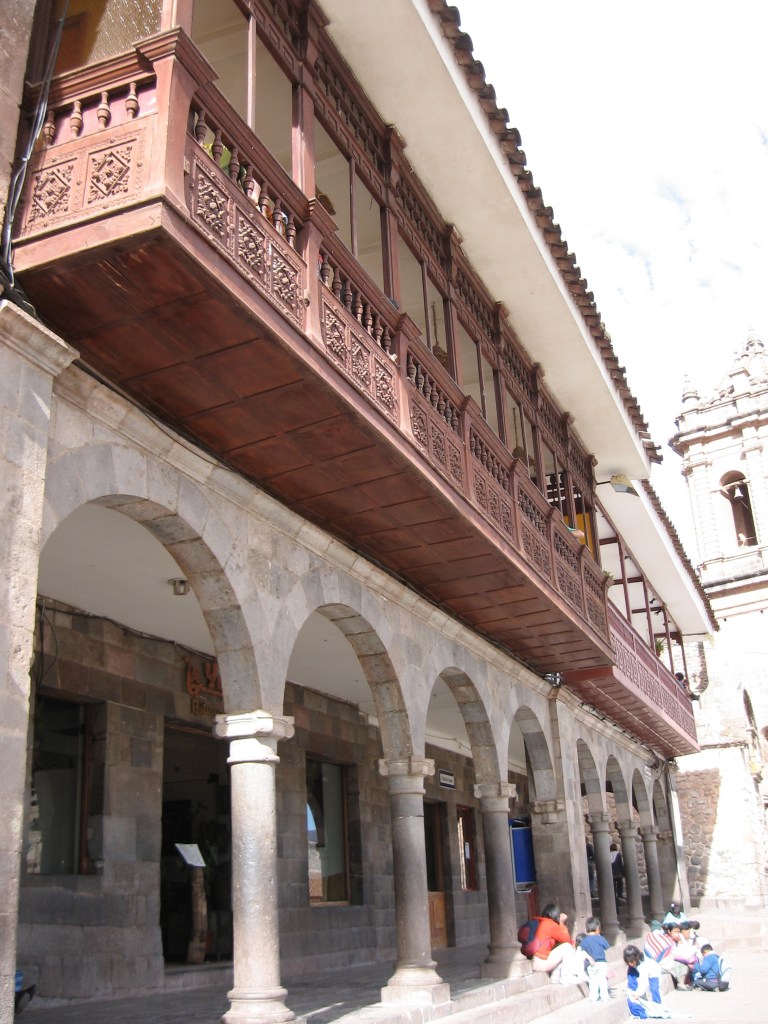
Stone Masonry
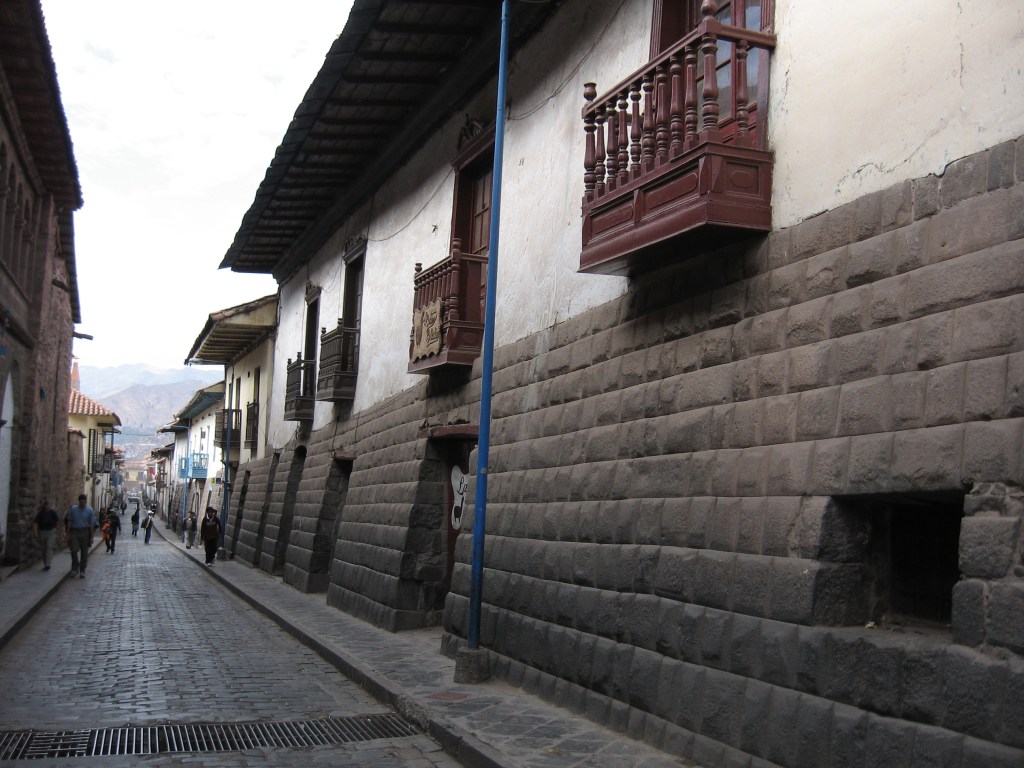
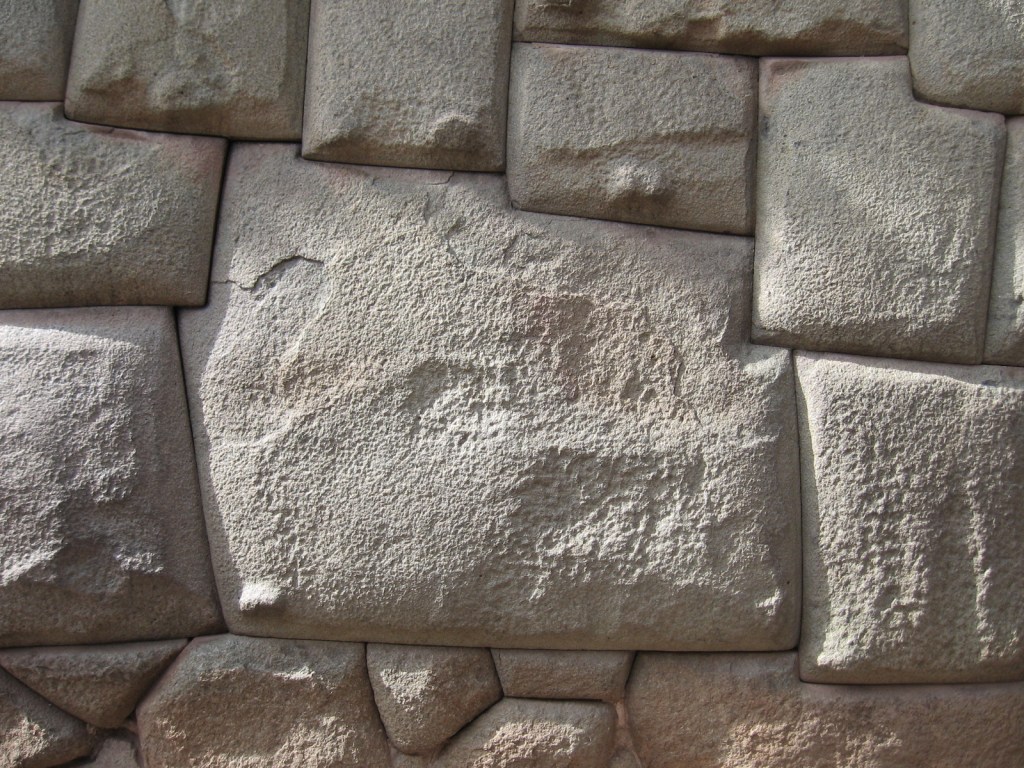
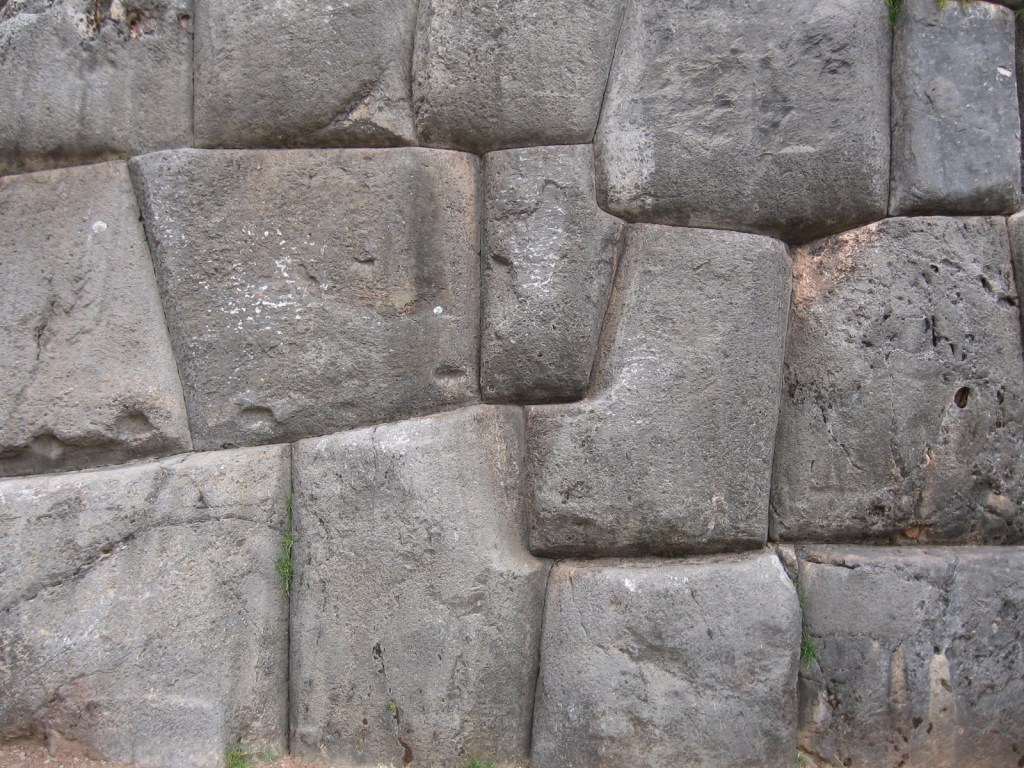
The Inca are world-renowned for their stone masonry, a craft they elevated to an art form. Using a technique known as ashlar masonry, they shaped massive granite and limestone blocks so precisely that they fit together perfectly without the use of mortar or cement. In sites like Machu Picchu and the fortress of Sacsayhuamán, stones weighing over 100 tons were carved with multiple angles to “lock” into their neighbors. This was a brilliant engineering choice for an earthquake-prone region; during a tremor, the stones would “dance” or vibrate in place and then settle back into their original positions, which is why Inca walls still stand today while later colonial buildings have crumbled.
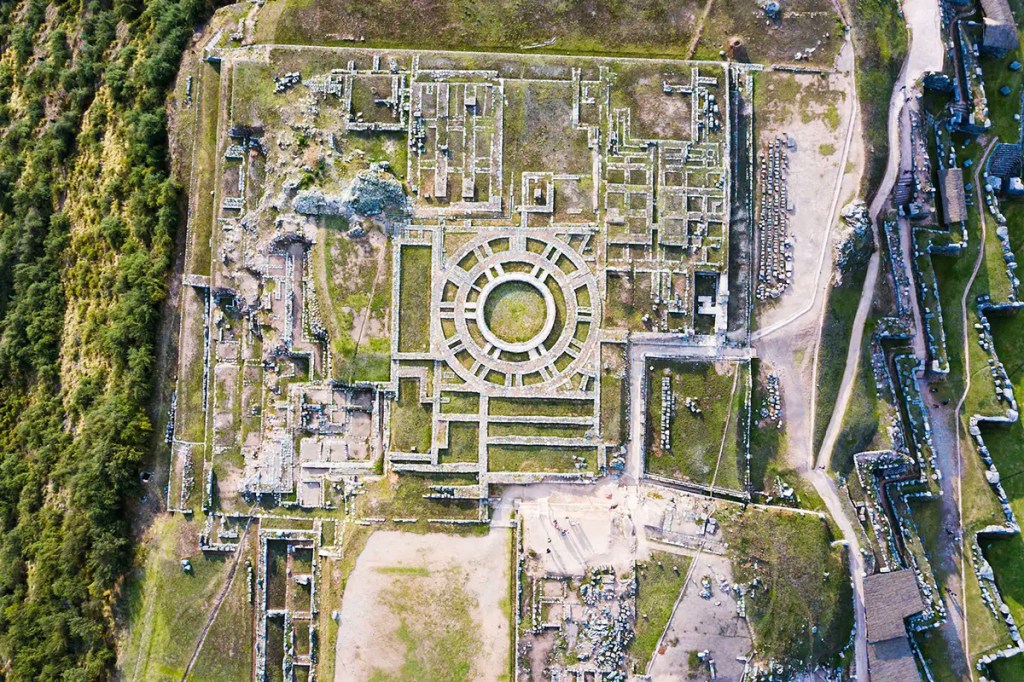
Fortress of Sacsayhuaman
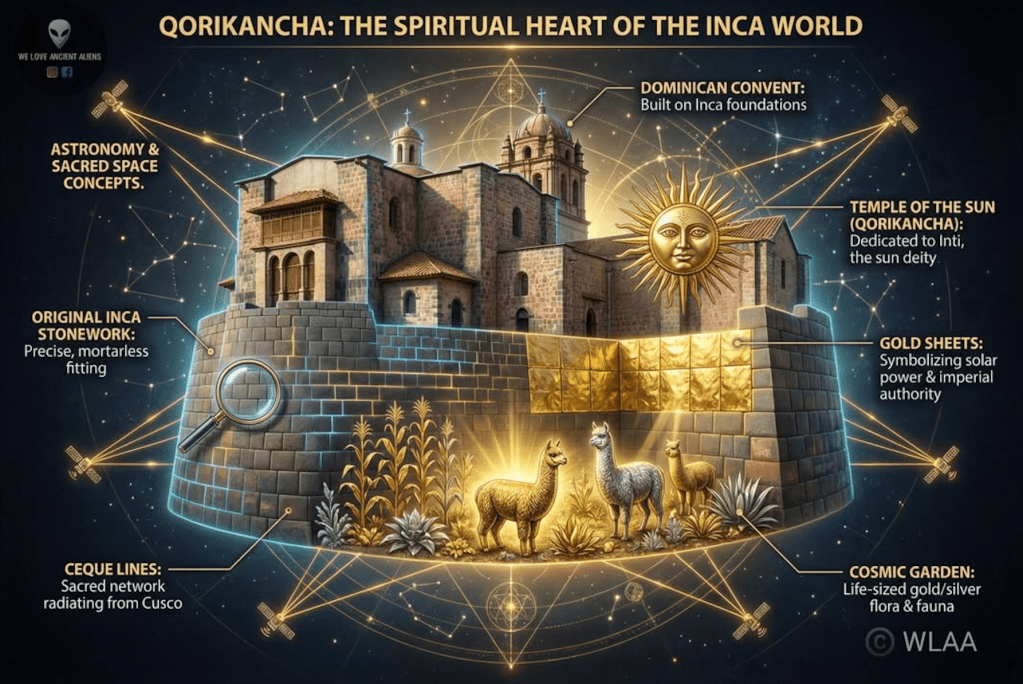
The head of the puma was the fortress of Sacsayhuamán, and its heart was the Qorikancha, or Temple of the Sun. This temple was the most important site in the empire; its walls were literally plated in sheets of solid gold that reflected the sunlight with blinding brilliance. Cusco was not just a political capital but a massive religious hub where the elite lived in luxury, surrounded by the finest art, gold, and textiles the empire could produce.
Built over the course of three generations, Sacsayhuamán was a massive imperial project initiated by Emperor Pachacútec in the 15th century and expanded by his successors, Túpac Yupanqui and Huayna Cápac. This monumental complex served as the “head” of the Inca capital’s puma-shaped layout, acting as a multifaceted center for religious ceremonies, military defense, and administrative power. In terms of scale, the site is staggering: its three parallel zigzag walls stretch over 1,300 feet (400 meters) in length and stand up to 30 feet (9 meters) high. The largest of the limestone blocks weighs an estimated 128 to 200 tons, yet they were hauled from nearby quarries and fitted together with such surgical precision that they have survived centuries of tectonic activity.
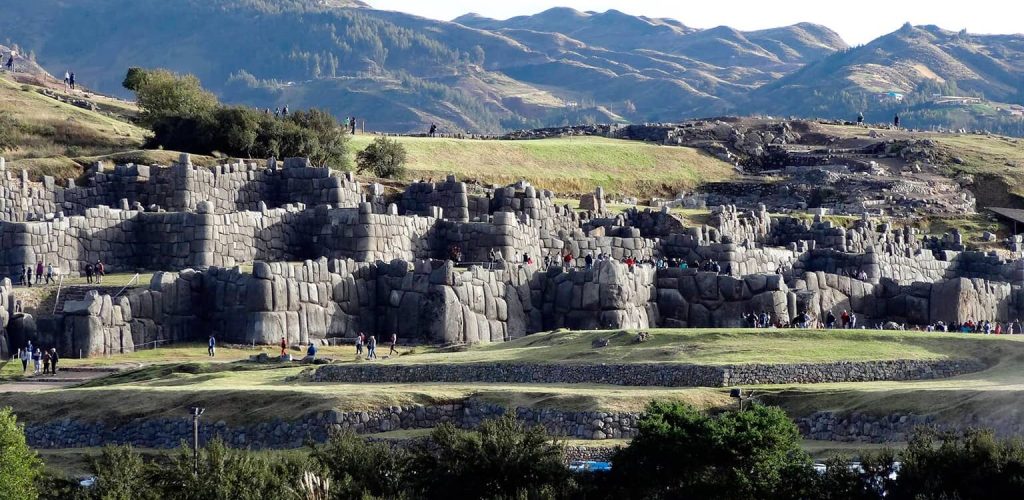
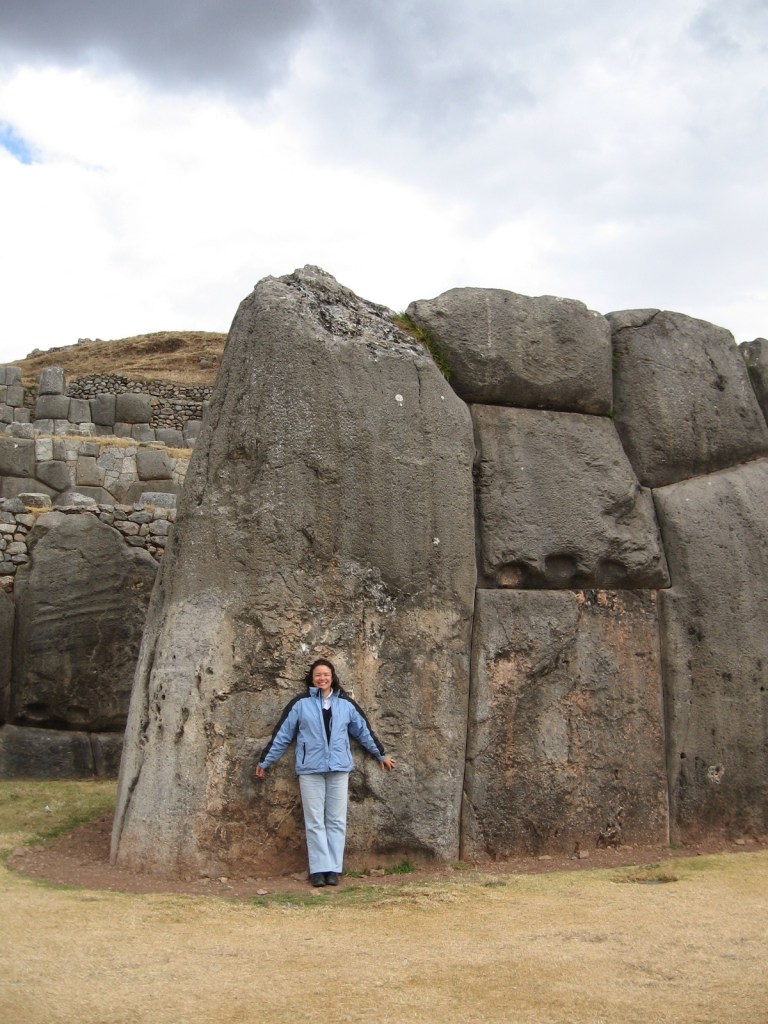
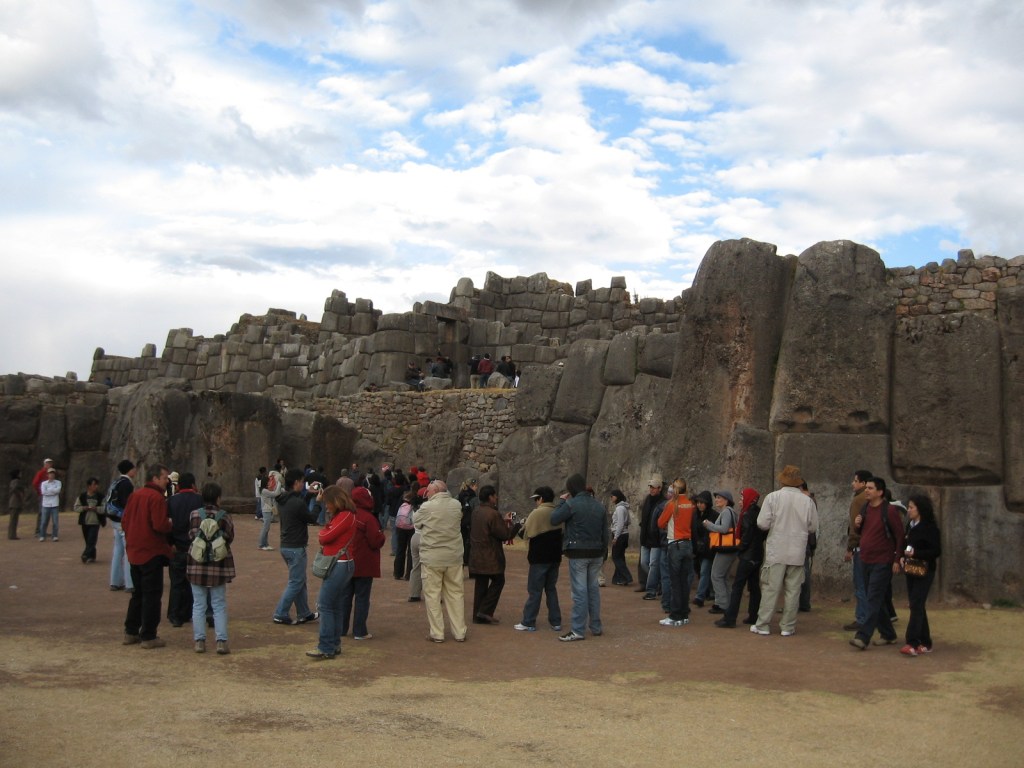
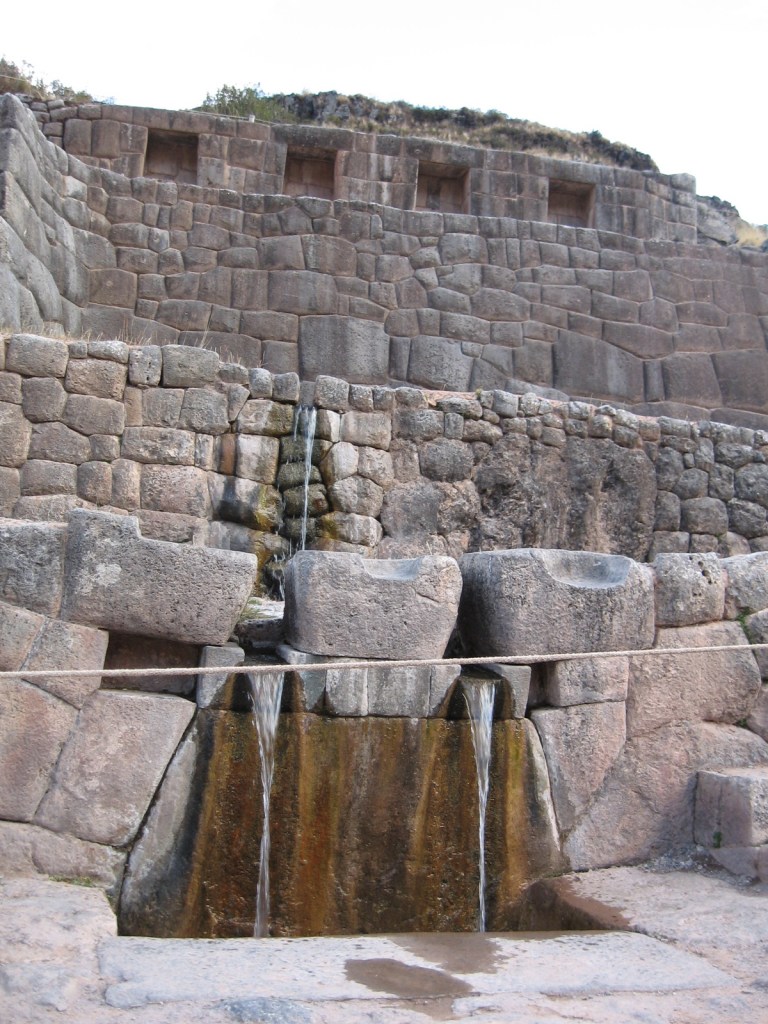
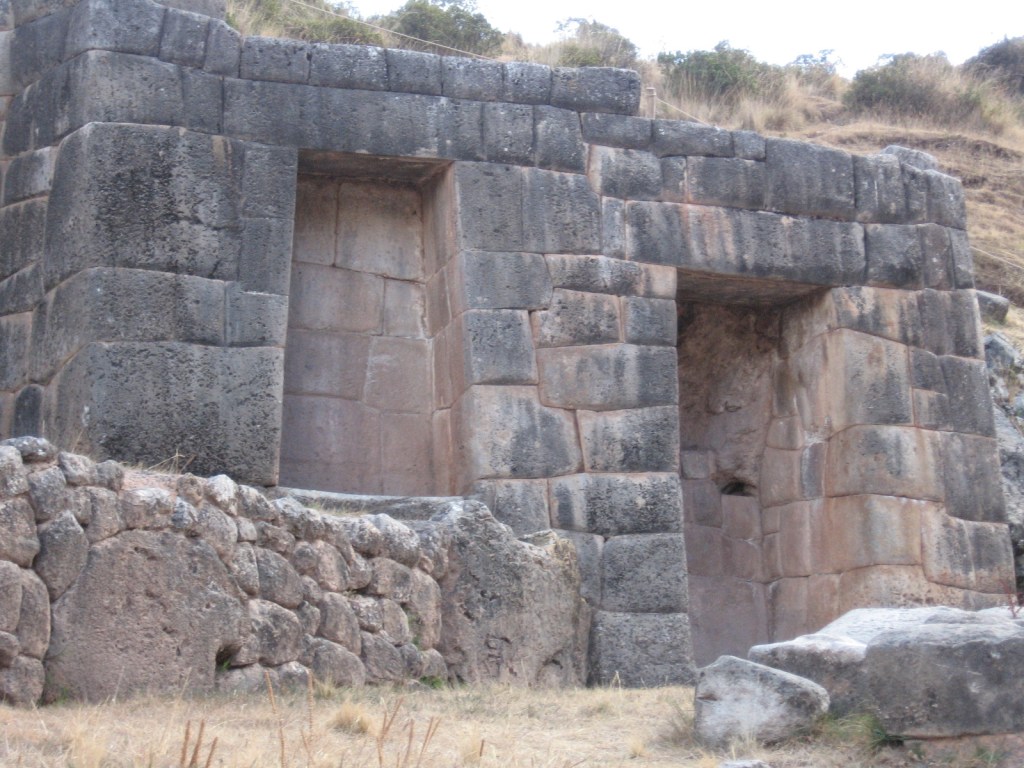
Beyond the massive walls, the complex originally featured three enormous towers (including the circular Muyucmarca), vast underground chambers, and a central plaza capable of holding thousands of people, making it a definitive symbol of the Inca’s ability to reshape the very mountains to reflect their imperial vision.
Qorikancha
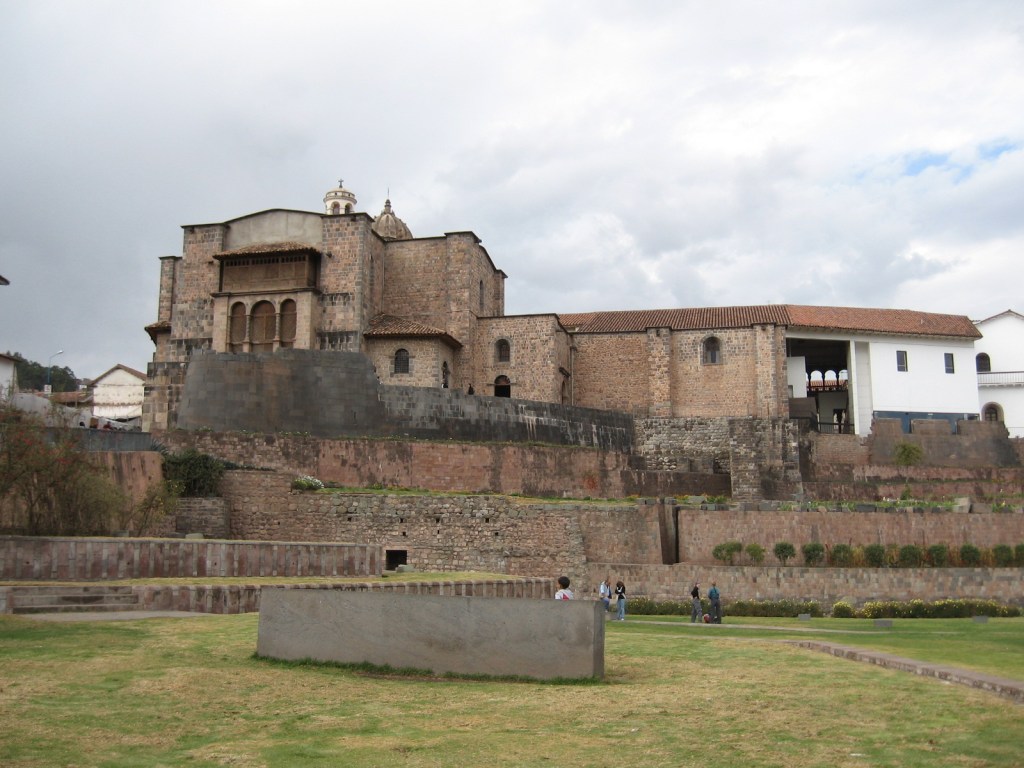
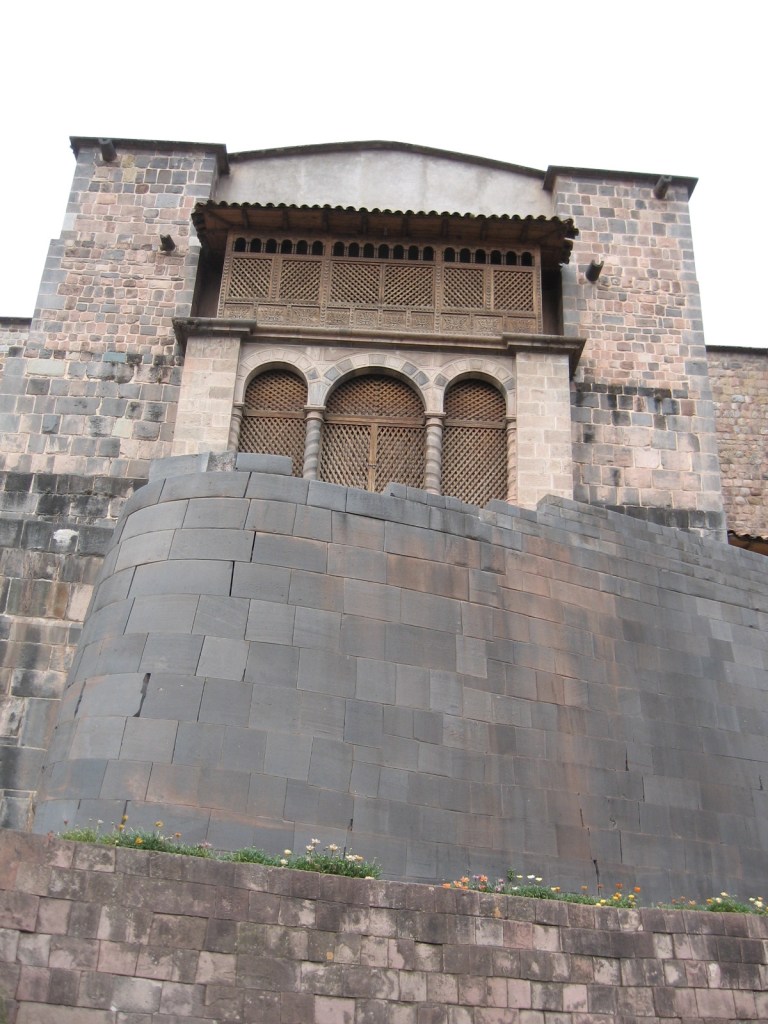
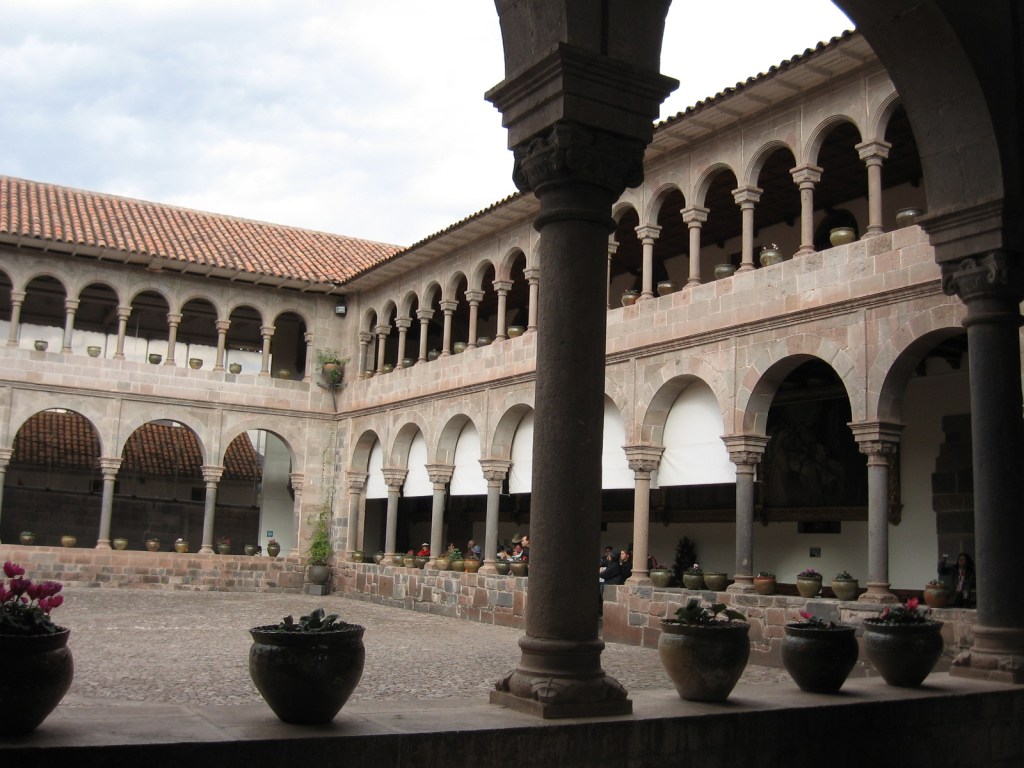
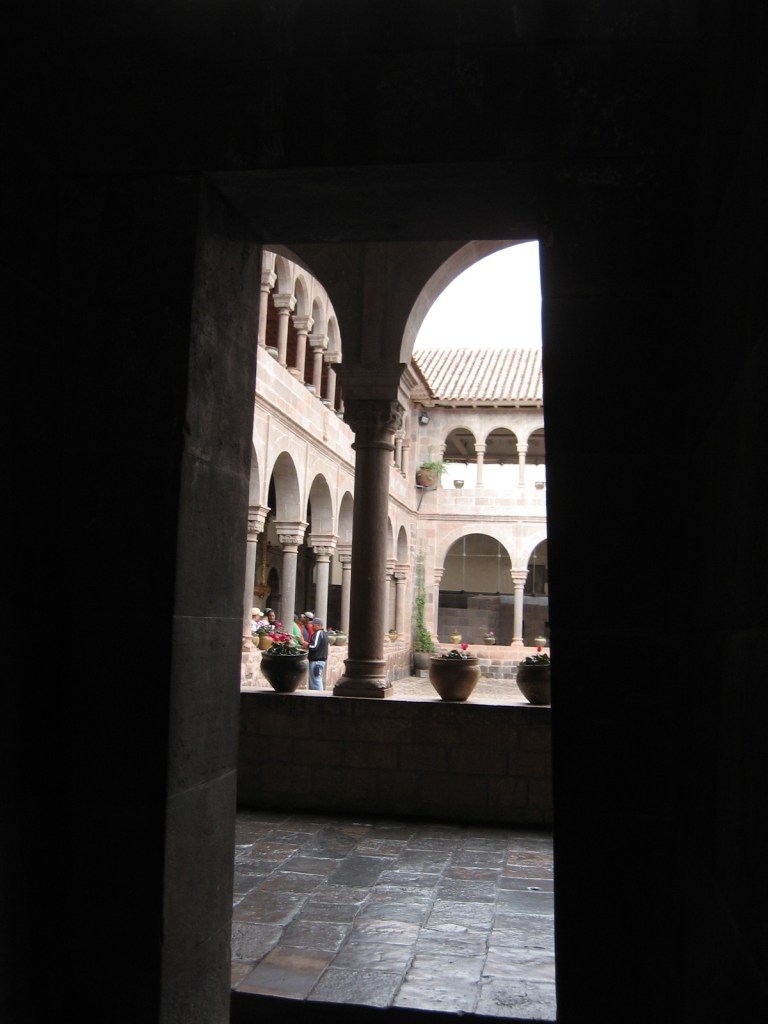
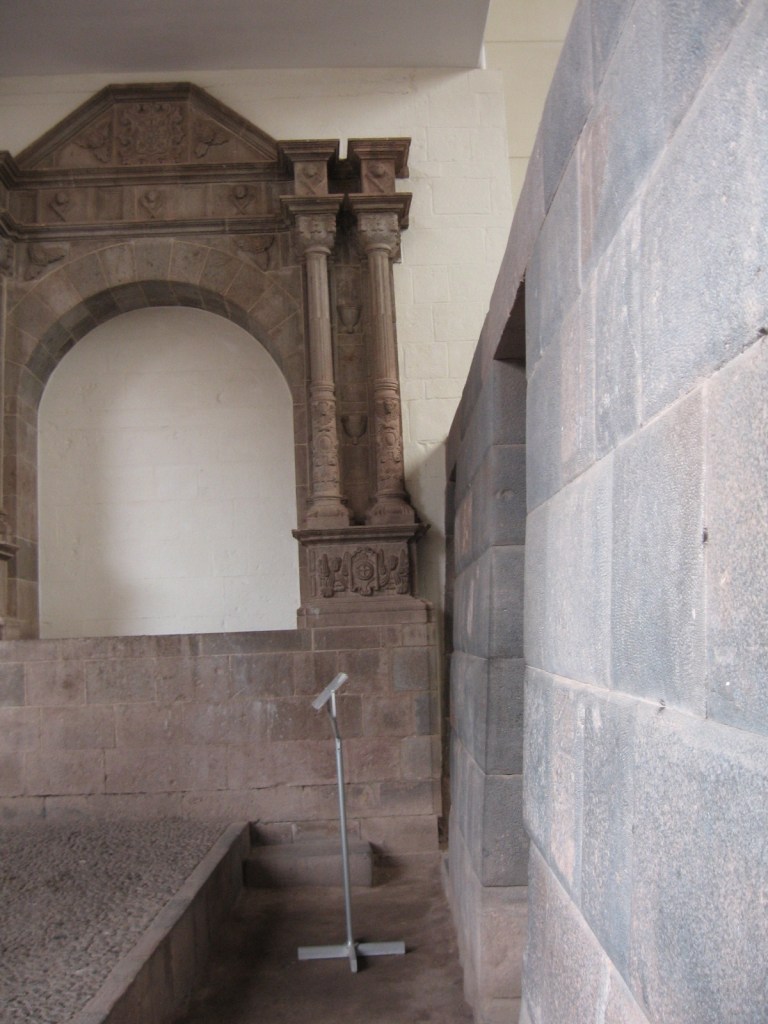
The Qorikancha, or “Golden Enclosure,” was the spiritual heart of the Inca Empire and the most sacred temple in the capital of Cusco. Dedicated primarily to Inti, the Sun God, its interior walls were once covered with over 700 sheets of solid gold, which reflected the sun’s rays to create a blinding, celestial glow. The temple’s masonry represents the absolute pinnacle of Inca stone-cutting, featuring perfectly curved walls of basalt and andesite that have withstood massive earthquakes for centuries.
Beyond the gold-plated walls, the complex contained a “Garden of Gold,” where life-sized statues of llamas, corn stalks, and butterflies were meticulously crafted from precious metals. After the 16th century, the Spanish utilized the temple’s indestructible foundations to build the Convent of Santo Domingo, creating a striking architectural hybrid that still stands today as a testament to the meeting of two worlds.
This is an illustration that highlights what it may have been like:
Festival of the Sun: Inti Raymi
The Inti Raymi, or “Festival of the Sun,” is the most significant cultural event in the Incan calendar and takes place annually on June 24th. This date coincides with the winter solstice in the Southern Hemisphere—the day the sun is farthest from the earth and the days begin to lengthen again. For the Inca, this was not just a celebration but a vital religious new year ceremony intended to honor the Sun God, Inti, and entreat him to return and ensure a prosperous harvest for the coming year.
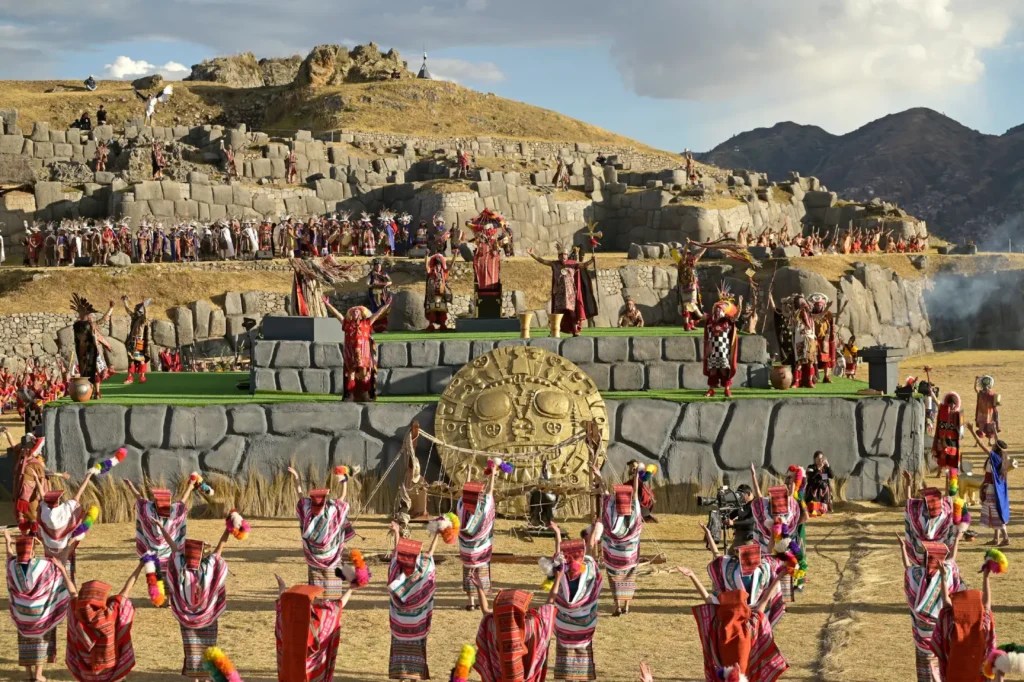
The festival was established by Emperor Pachacuti around 1412 AD and originally lasted for nine to fifteen days, involving elaborate colorful processions, animal sacrifices, and sacred dances. While the Spanish banned the festival in 1535, it was proudly revived in 1944 as a massive historical reenactment. Today, the modern celebration draws thousands of people to Cusco every June 24th, where over 800 actors and dancers follow a traditional route through three sacred sites:
Qorikancha: The ceremony begins at the “Golden Enclosure” where the “Inca” invokes the sun.
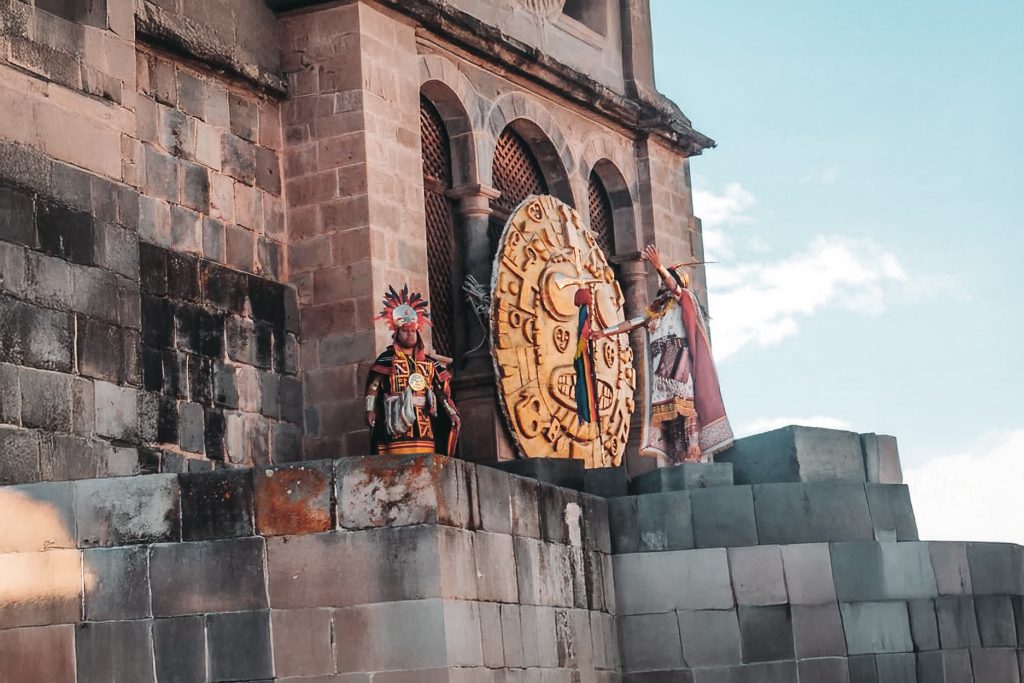
Plaza de Armas: The procession moves to the city’s main square for the “Meeting of the Times” between the Inca and the modern mayor.
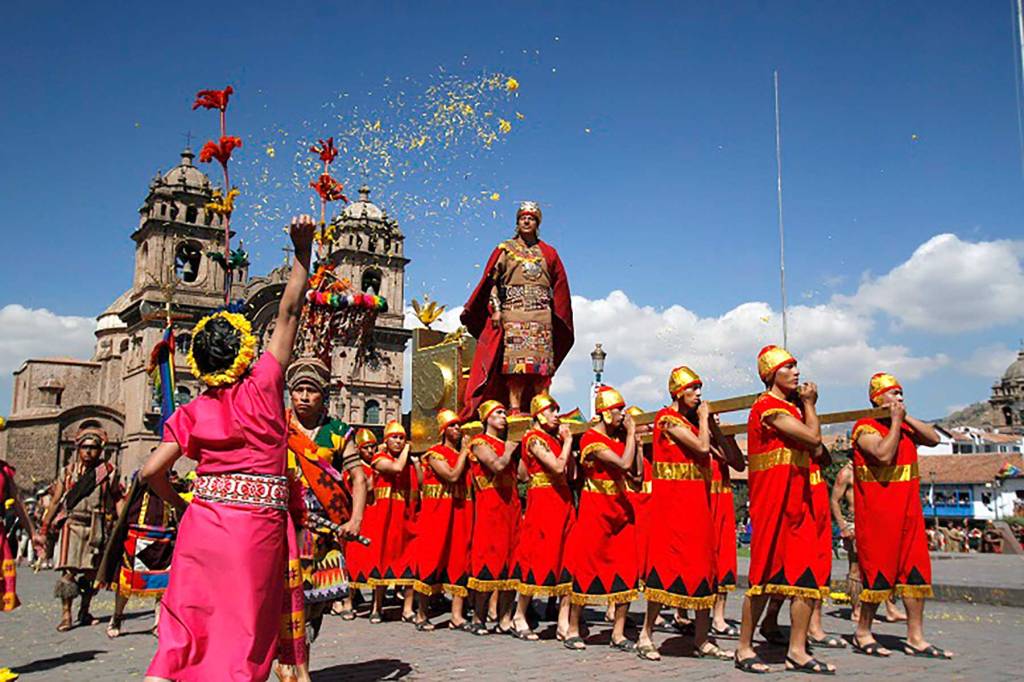
Sacsayhuamán: The festival reaches its grand finale at the fortress, featuring a symbolic sacrifice and reports from the four regions of the empire.
Machu Picchu
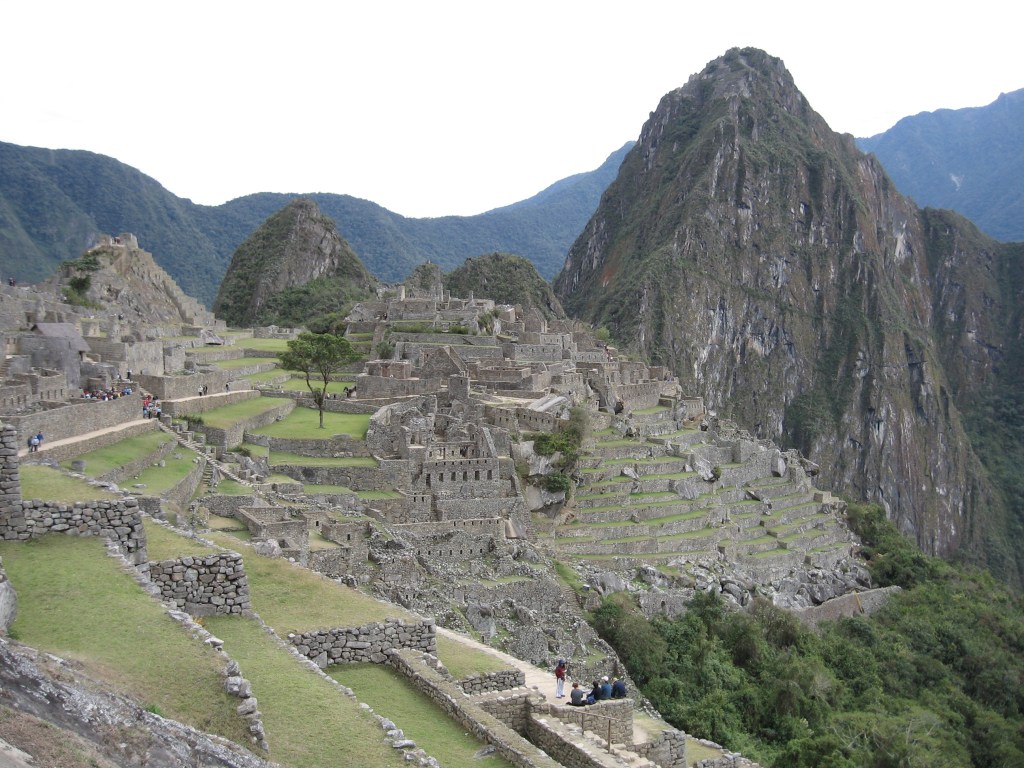
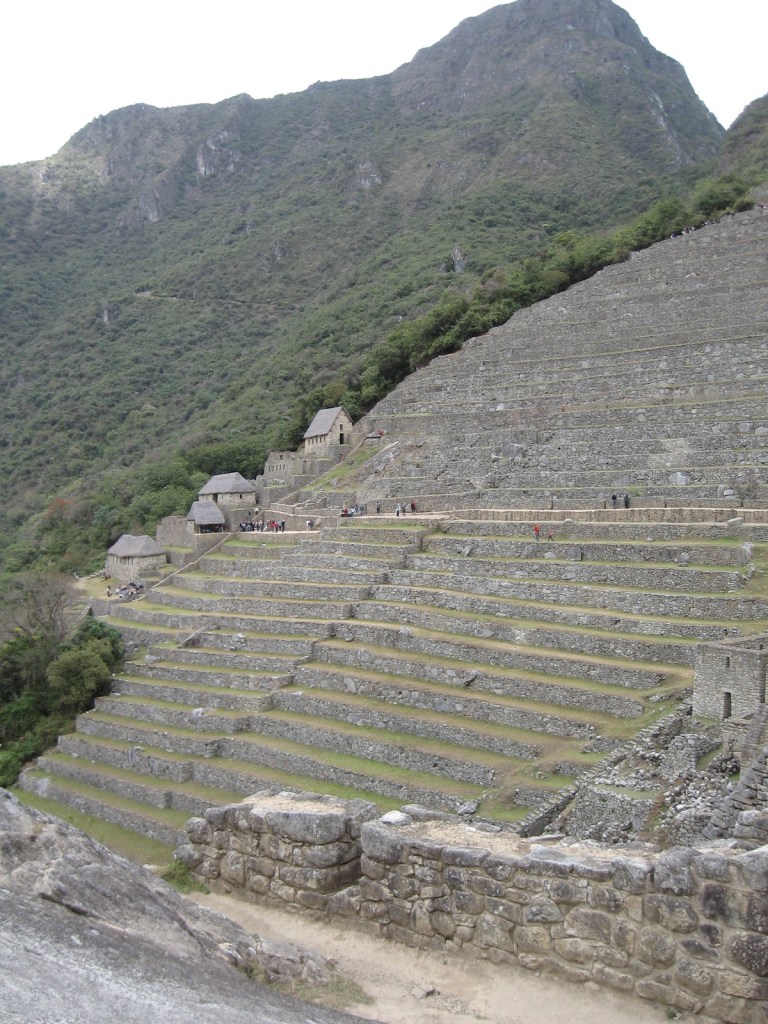
Perched high atop a mountain ridge 7,970 feet above sea level, Machu Picchu is the most iconic masterpiece of the Inca Empire, believed to have been built around 1450 AD as a royal estate for the Emperor Pachacuti. Often referred to as the “Lost City of the Incas,” the site is a marvel of urban planning and harmony with nature, divided into a residential sector and an agricultural sector featuring over 700 stone terraces. Its name in Quechua (the language of the Inca) means “old mountain.”
Its construction is a feat of advanced engineering; the Inca moved massive stones without the wheel or draft animals, fitting them together so precisely that the structures have survived centuries of heavy rainfall and seismic activity in the cloud forest. Key landmarks within the citadel, such as the Intihuatana (a ritual stone associated with the astronomic clock), the Temple of the Sun, and the Room of the Three Windows, suggest the site served as a sacred ceremonial center aligned with the movements of the sun and stars.
Abandoned just a century after its construction and never found by the Spanish, it remained largely hidden from the outside world until it was brought to international attention by Hiram Bingham in 1911.
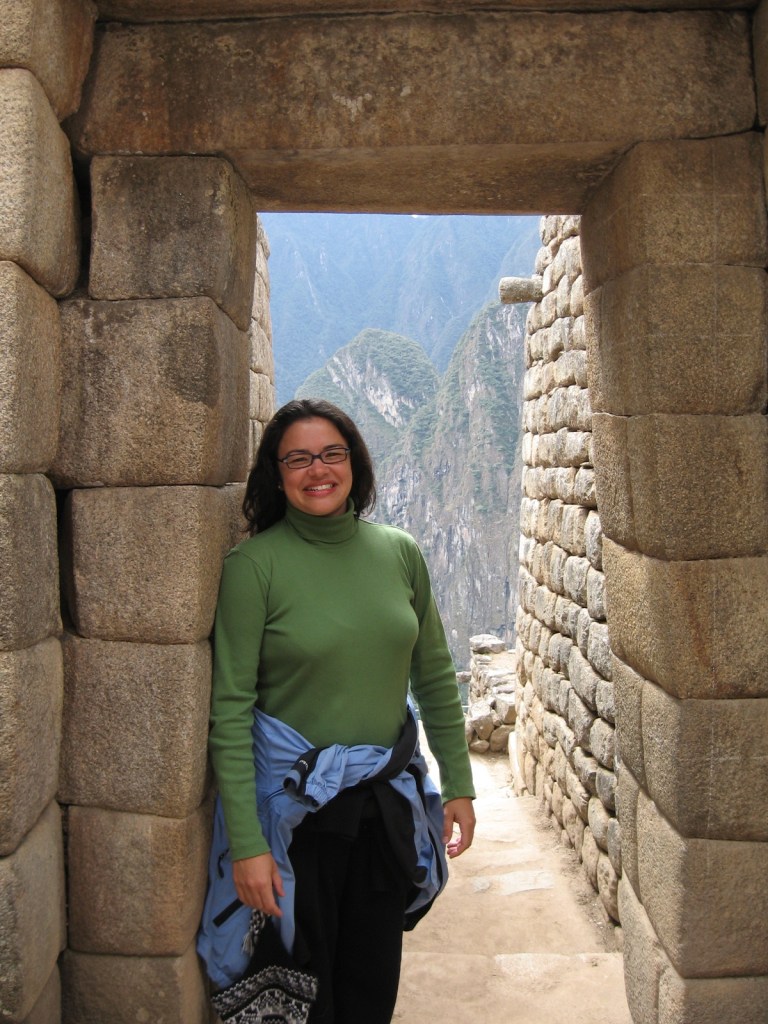
This is a great videos that may answer some questions you may have about Macchu Picchu.
And this is a beautiful video that captures is magic…
Architectural Knowledge, Terraces
One of the Incas’ most staggering achievements was their ability to master the vertical landscape of the Andes. Because there was very little flat land for farming, they engineered a massive system of andenes, or stone-walled terraces, that climbed up the sides of steep mountains like giant staircases. These terraces didn’t just create more farmland; they also prevented erosion and acted as thermal sponges, absorbing heat from the sun during the day to keep crops like corn and potatoes from freezing during the cold mountain nights. This sophisticated agricultural system allowed them to produce a food surplus that could sustain an empire of millions.
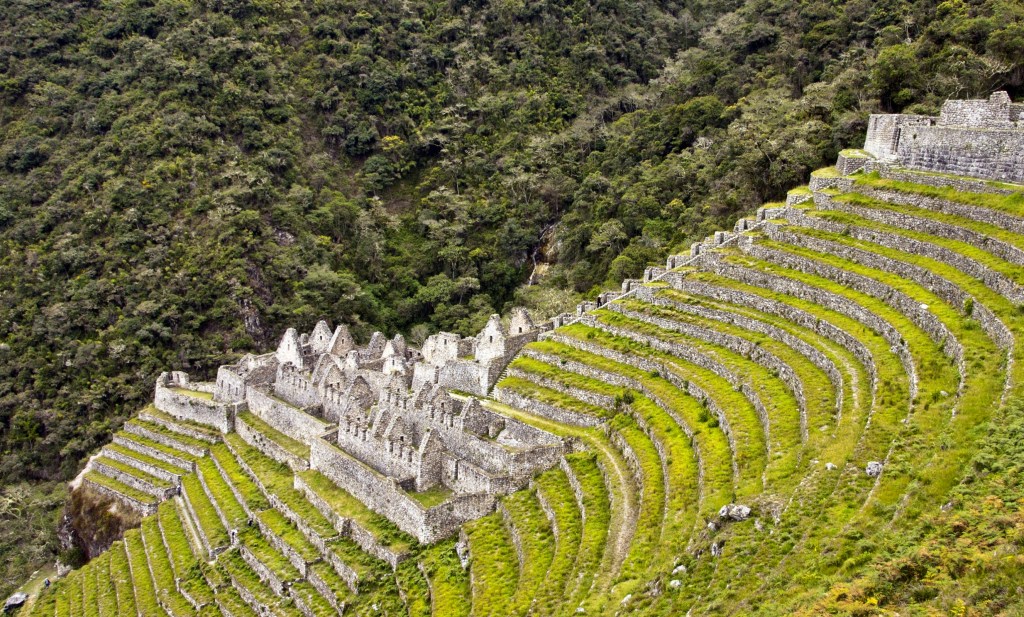
This video talks in detail about the agricultural knowledge of the Inca:
 Alphabet Space