This version is for students from 4th grade to adults. For a K-3rd version go HERE.
Pre-Historic Spain / España Prehistórica
Spain has been referred to as a bridge between continents because of its location between Europe and Africa. As a result of this location, Spain has been influenced by many cultures coming from Europe and Africa.
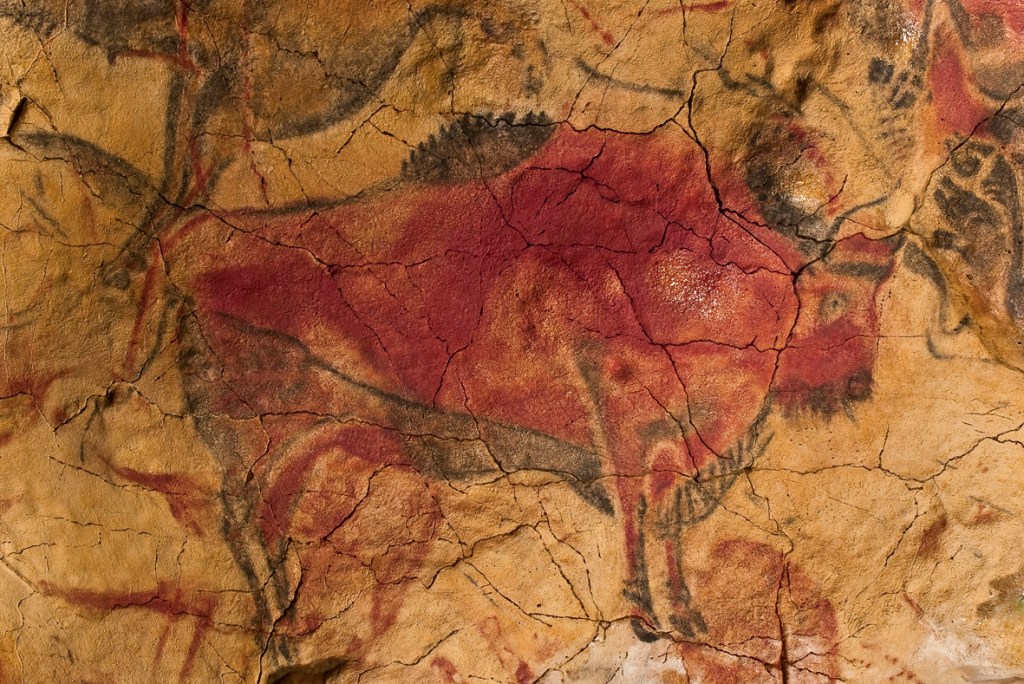
Humans are believed to have entered Spain about 500.000 to one million years ago. These prehistoric men were primarily hunters and led a nomad lifestyle moving from place to place. They took refuge in caves and in some of their walls paintings have been found. The most famous site in Spain was discovered in the 1800’s by an eight year old girl in Altamira, a small town in the north of Spain.
Ancient Spain / España Antigua
The Iberians (Los Íberos)
About 3000 B.C.E., the Iberians named after the river Ibrus (Ebro) came from Northern Africa and settled in the southeast of Spain. They farmed and domesticated cattle. Their societies became more complex. They tended to live in diverse isolated communities. One of their most famous works discovered in 1897 in Valencia is a beautiful sculpture called “The lady of Elche” (Dama de Elche).

The Phoenicians (Los Fenicios)
Around 1100 B.C.E. Phoenicians (Fenicios) came to Spain from the Middle East with the interest of metal trade. They created the first non-pictographic alphabet based on symbols that represented consonant sounds. They were also great sailors and developed commerce using the entire Mediterranean Sea. Two of the ports they founded in Spain continue to exist today in Cádiz and Malaga.

Corresponding letters in the Phoenician and Latin alphabets. Cr. Wikimedia Commons: Luca

Some illustrations of Phoenician Ships.
The Celts (Los Celtas)
Around 800-600 B.C.E., the Celts coming from the British Isles traveled across the Pyrenees Mountains and settled in various areas of the peninsula. Towards the center, some Celts integrated with the Iberians and became “Celtiberians” (Celtiberos). Others went to the Northwest of Spain and their influence can be seen in modern Galicia and Asturias.


Castro de Baroña in Galicia, Spain. (A Castro is a Celtic Town/Fort/Sanctuary Ruin)
The Greeks (Los Griegos)
The Greeks arrived to Spain about 600 B.C.E. Their main interest in the peninsula was the commerce of its metal deposits. They founded colonies that served as trading posts of Emporion (Ampurias). Akra-Leuke (Alicante) and Alonis (Benidorn). Ampurias, built further away from metal deposits traded agricultural goods, linen and esparto (a tall grass used to make paper and ropes).

These are the remains of Greek homes at the ancient city of Empúries in Girona, Spain.
The Romans (Los Romanos)
The Romans entered Spain around 218 B.C.E. and battled against the Iberians, Lusitanians, Gallaecians and Celts. Finally Emperor Augustus completed the conquest by 19 B.C.E. after the Cantabrian wars. Romans are believed to have given the name of Hispania to the region (Hispaniae). For 500 years, Hispania became part of the Roman Empire bound by its laws, language and culture. Their language Latin provided the base for many new languages including Spanish.
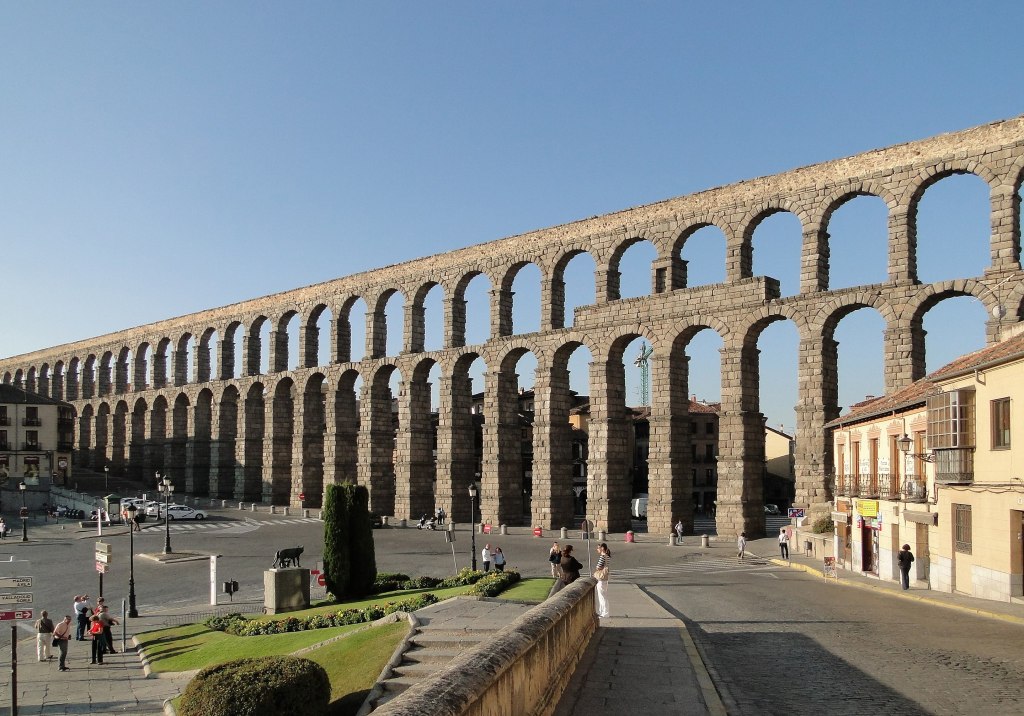
The Romans who were accomplished architects and engineers, organized Spain by building roads, bridges and aqueducts. The most famous aqueduct in Spain is in Segovia, it has 167 arches and runs for 9299 miles (14, 965 km). It is believed to have been built by Emperor Trajan’s workers and slaves, who used about 200,400 granite blocks.
Visigothic Spain (España Visigoda)
Around 400 C.E., many Germanic tribes (Tribus Germánicas) arrived: The Suevis (Los Suevos), The Alans (Los Alanos), and The Vandals (Los Vándalos).
The Visigoths (Los Visigodos), another Germanic tribe that arrived in 416 as an ally of Rome, defeated other Germanic tribes and gained control of all of Spain. They adopted many of the Roman ways. They spoke Latin, adopted Roman laws and preserved the belief in Christ as the Roman Catholic Religion, making it the official state religion. Toledo became the Visigoth capital in 484 Leovigildo was the most notable of the Visigoth kings. He was able to unify and rule the entire peninsula between 584-585.


Muslim Spain (España Musulmana)
The Muslims or Moors (Los Moros) came into Spain under the Berber leader Taquif Ibn-Ziyad and displaced the Visigoths and established their kingdom: “Al-Andalus” under the rule of the Caliphs of Damascus in 711. During this time there was an unusual tolerance of religious practices where Christians and Jews were allowed to worship to their doctrines in their separate areas under Muslim rule.
During the 10th century, the Caliphate of Cordoba, founded by Abd-ar-Rahman III in 929 becomes very prosperous and is considered by many the most enlightened city in the world at this time. During the reign Al-Hakam II in 961, Christians, Jews and Muslims translated Greek texts into Latin, Hebrew and Arabic. These brought an unprecedented sharing of knowledge in the fields of astronomy, medicine and mathematics. Abd-ar-Rahman kept a library of around 400,000 books!
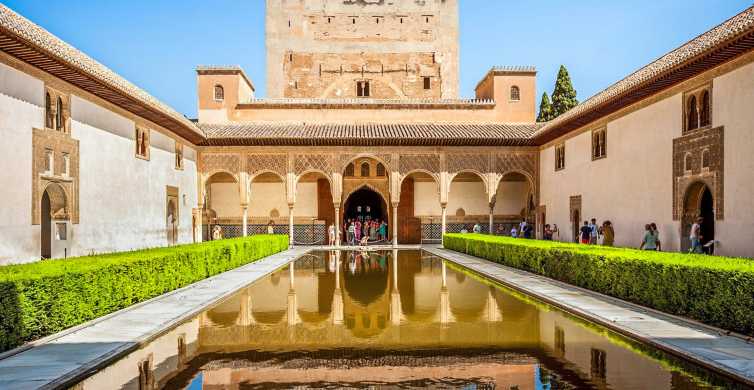
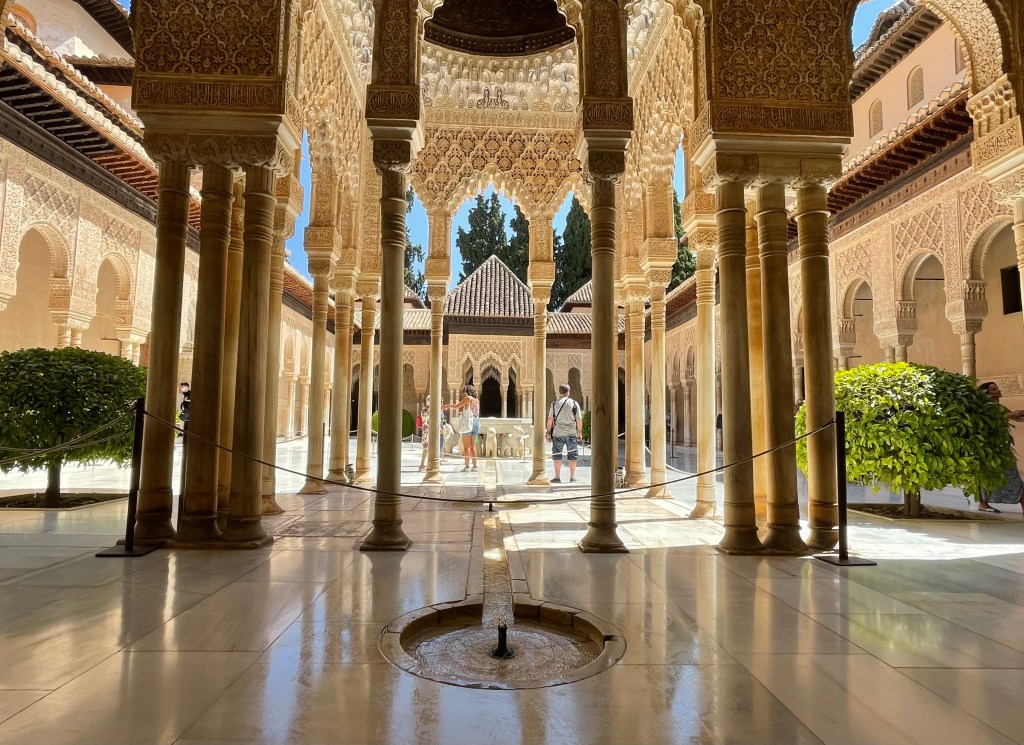
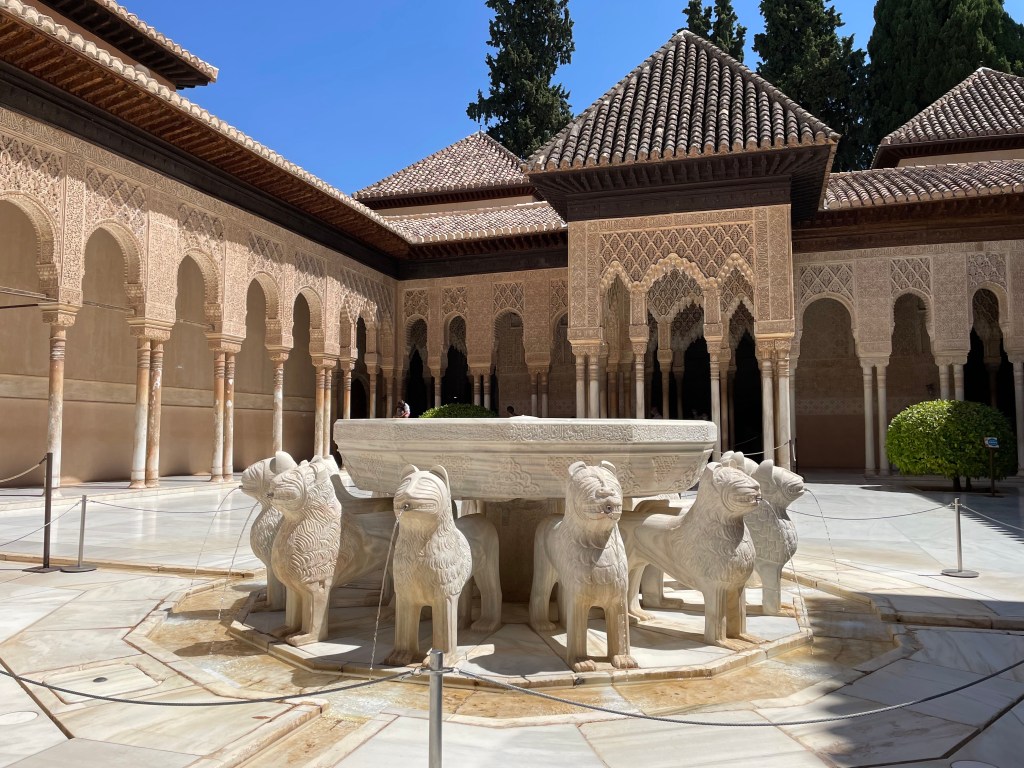
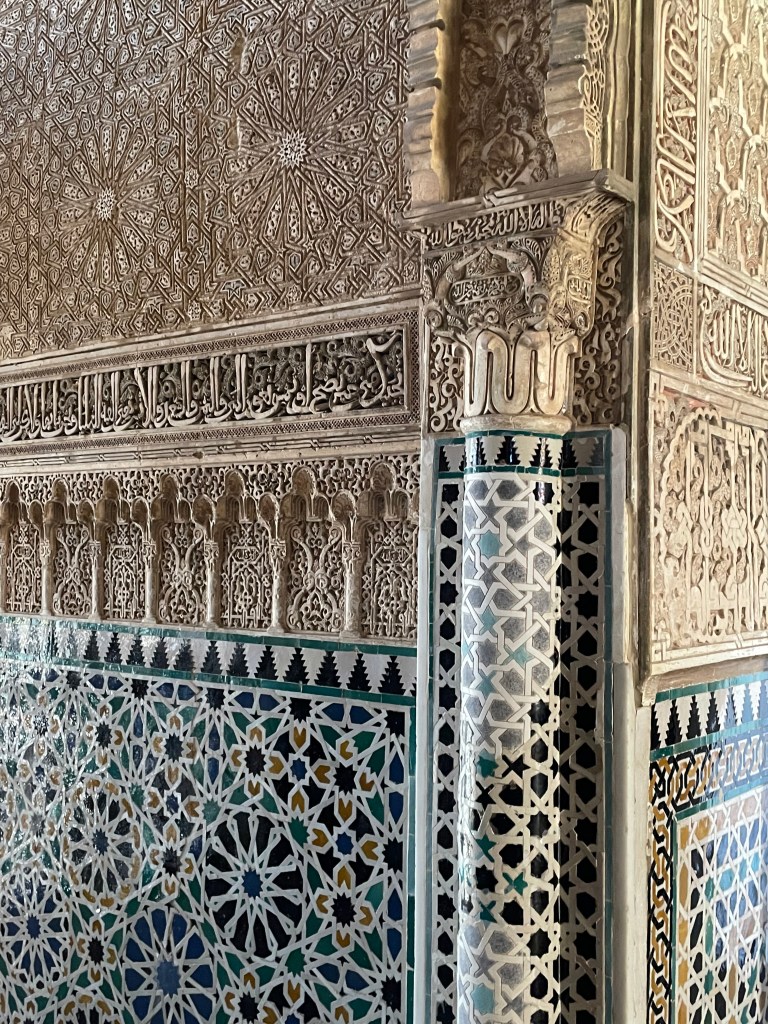
The Muslims introduced new technology in agriculture as well as new crops from Africa: oranges, pomegranates, figs, dates and rice. Muslim designers and architects left their mark in cities like Seville, Granada and Cordoba. Some of their great creations are the Great Mosque of Cordoba (La Mezquita de Córdoba) in the city of Cordoba and the Alhambra Palace (La Alhambra) in the city of Granada.

The Reconquest “La Reconquista”
The Reconquest (La Reconquista) was an effort led by the Christians who had fled north from the Muslims or Moors to take back Spain from them. It began in Asturias with Don Pelayo’s victory at The Battle of Covadonga (La Batalla de Covadonga). Christian forces battled their way southward and formed kingdoms. By 1100, five kingdoms existed: Aragón, Castile (Castilla), Catalonia, León and Navarre (Navarra). In 1094, Rodrigo Diaz de Vivar, “El Cid Campeador” was a Castilian knight who fought the Moors and conquered Valencia. His story: The Song of the Cid (El Cantar del MioCid) was written by an unknown poet in 1140 and is one of the oldest pieces of Spanish literature.
In 1236, Christian forces capture Cordoba and send all its documents to the university of Salamanca. Around 1400, the five kingdoms were consolidated into two by Royal Marriages: the Kingdom of Castile and Aragon. By this time, Christian forces reduced the Moorish influence to the Kingdom of Granada.
In 1469, Fernando, heir to the throne of Aragon married Isabella of Castile. This marriage, one of the most important in the history of Spain, provided the unification of all its territories. The Catholic monarchs instituted many social, economic and legislative reforms to strengthen and unify the country. They also sought to impose spiritual unity, establishing the Spanish inquisition in 1478. This institution persecuted all non-Christians. It imprisoned, killed or exiled Spain’s Jews and Muslims. In 1492, Christian armies recapture the kingdom of Granada marking the end of Muslim rule in the peninsula.
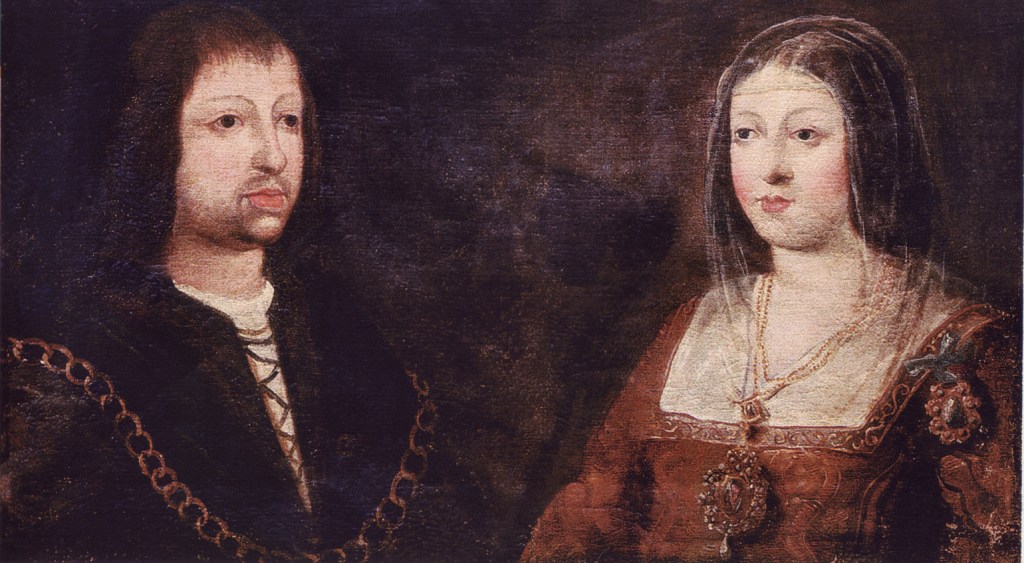
Cr. Wedding portrait of King Ferdinand of Aragon and Queen Isabella I of Castile. Anonymous. 1450
For eight years, Christopher Columbus (Cristobal Colón) had been traveling to Spain and other European countries seeking support for his “Enterprise of the Indies”. Columbus believed that by sailing across the “Ocean Sea” (The Atlantic Ocean) he could find a new route to the Indies: China, Japan and India. Christopher Columbus using three caravels (caravelas) called “La Niña”, “La Pinta” and “The Santa Maria” reached the Caribbean in October 12, 1492. Christopher died believing he had reached the Indies and never knew he had actually reached a different continent that would later be called “America”.

A painting of Columbus meeting Isabella and Ferdinand after his first trip by Juan Cordero (1822–1884)
The voyages of Columbus brought unimaginable riches to Spain. He and many Spanish explorers that followed claimed many lands for the Spanish crown. By 1550, Spain controlled parts in the west and south of the United States, Mexico, Central America, most of South America, many islands in the Caribbean and the Philippines Islands making Spain the most powerful country in the world.
Habsburg Spain and the Golden Age of Spain. 1516 – 1700 C.E.
During this time Spain had very contrasting situations between its homeland and its colonies.
In its homeland, Carlos I of Spain / Karl V of Germany (grandson of queen Isabella) inherited both thrones: the Spanish Throne on his mother’s side and the Austrian/German Throne from his father. The unified Spanish and Habsburg Dynasty became one of the largest empires in history as Carlos V ruled most of central and Southern Europe between Spain and Poland.
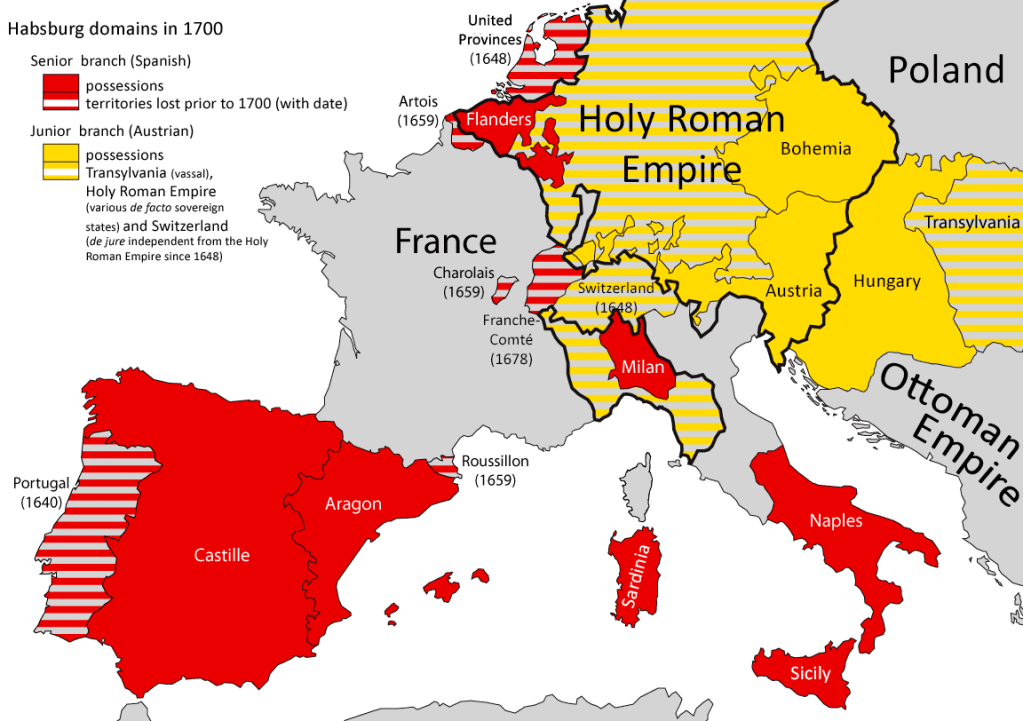
Cr. Wikimedia Commons
The power and riches helped the culture of Spain flourish in its Golden Age (El Siglo de Oro).
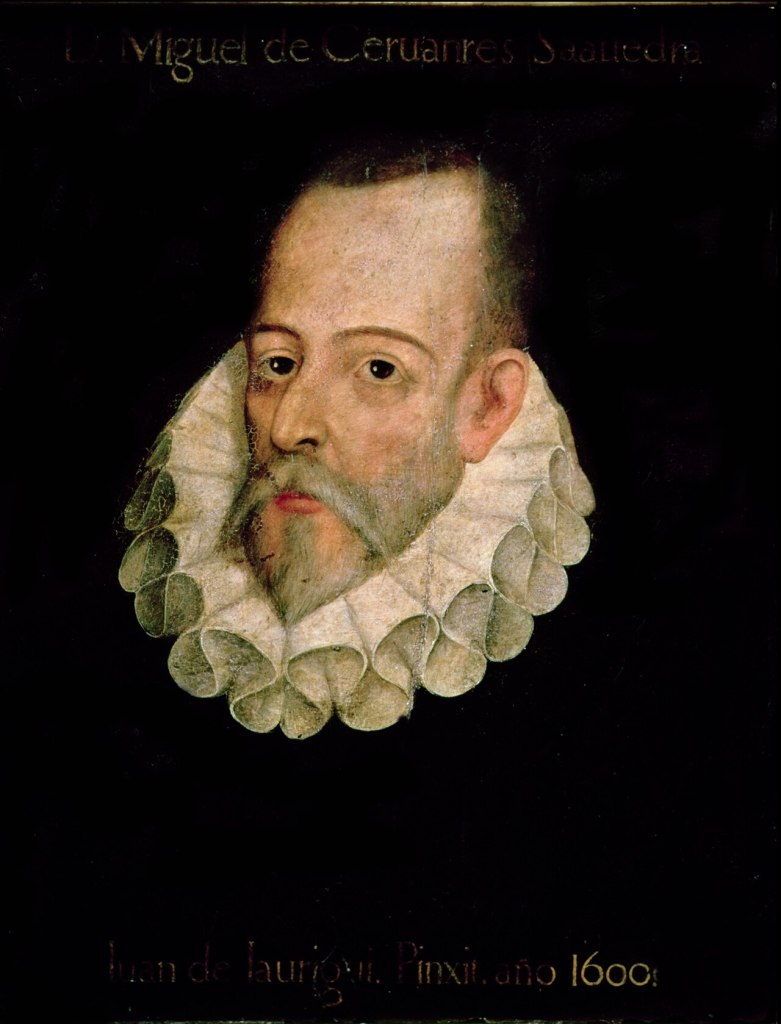
In literature, Miguel Cervantes, a playwright and writer, publishes “Don Quijote de la Mancha” in 1614, one if not the most famous book from Spain.

Bronze Sculpture of Don Quijote and Sancho Panza by Lorenzo Coullaut Valera made between 1925 y 1930. It is a detail of the monument dedicated to Cervantes at the Plaza de España in Madrid, Spain.
Diego Velazquez enjoyed much popularity as the leading artist in the court of King Phillip IV. His most famous work is “Las Meninas” is an outstanding example of European Baroque art.
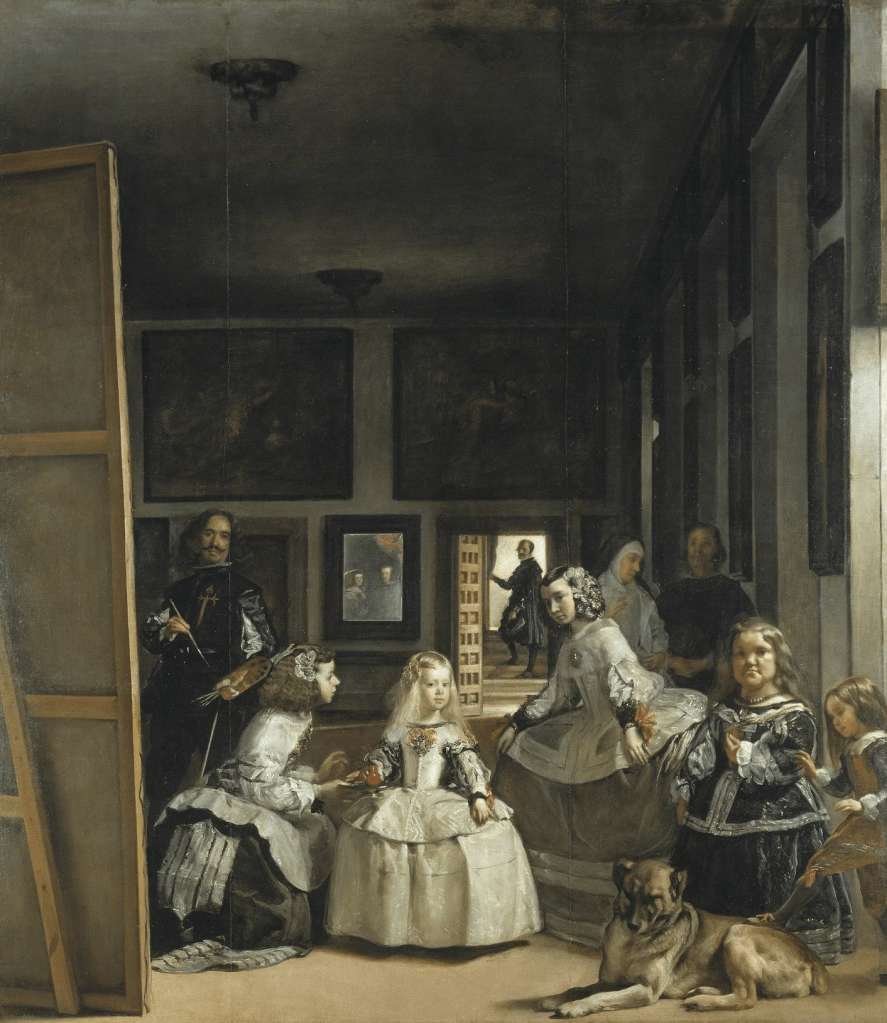
“Las Meninas” by Diego Velazquez, 1656.
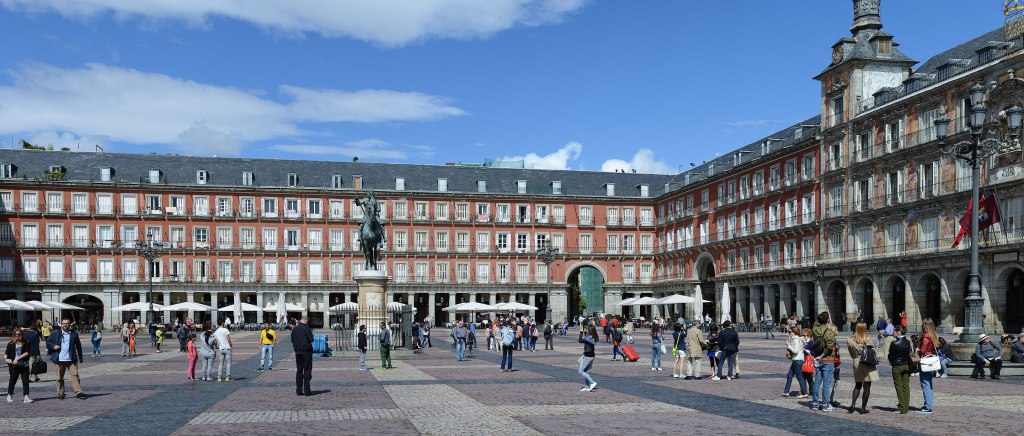
In architecture, Juan de Herrera and his “Herreriano” style is manifested in his great creations of “El Palacio real de Aranjuez” (1561), the “Monasterio de El Escorial” (1563) and the design of “La Plaza Mayor” (1581), one of the main squares in Madrid.
At its peak these are the colonies and territories of Spain in blue (and Portugal in green) in the world by 1790.

However life in the colonies was anything but golden for most of its people. The arrival of Christopher Columbus to the Americas had dramatic and lasting effects on the world, and mostly on the American side. New diseases were introduced to Native people of the Americas that had no immunities to them Between 1492 and 1650, diseases killed about 90 percent of all Native people in the Americas. Natives were also made to work for many hours under an Encomienda System. Under this system, leaders of the indigenous community paid tribute to colonists with food, cloth, minerals, or by providing laborers. It is estimated that the number of natives that died at this time (1492-1650) is from 50 to 100 million people.
It is important to clarify that these diseases were brought by all Europeans that came into the Americas thereafter, like the English, the French and the Dutch. For example, the following is a page of a publication from the 1800’s about the destruction caused by Small Pox in Plymouth, Massachusetts in the 1600’s (brought by the Pilgrims from England).
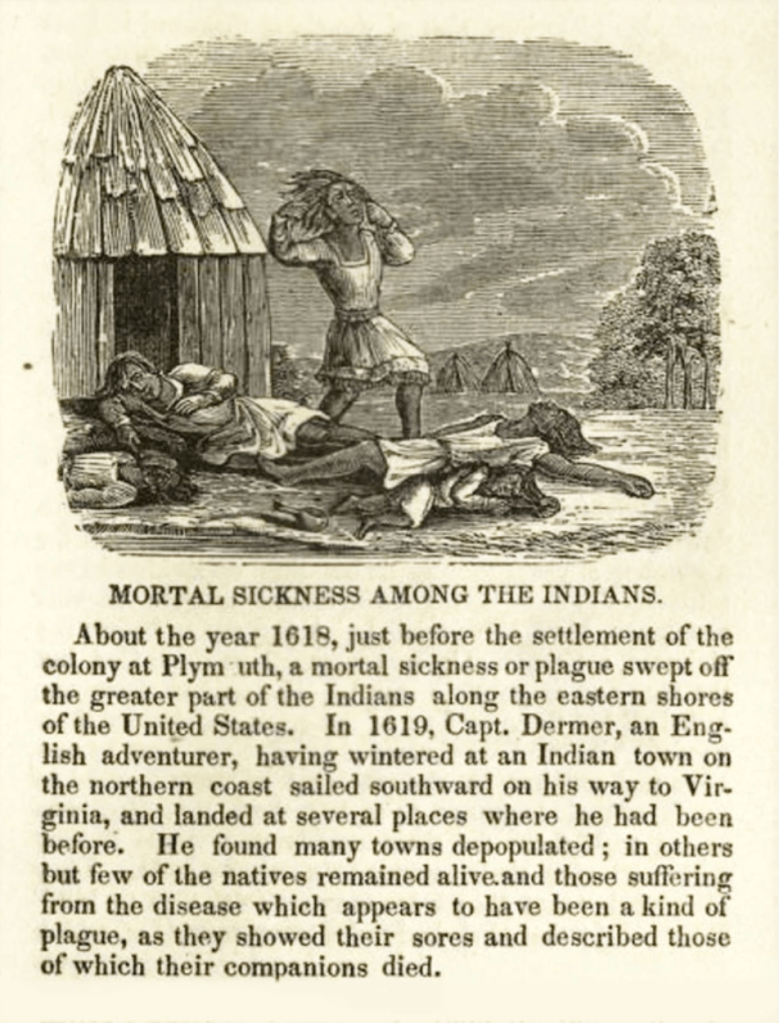
Cr. Native Americans Smallpox, 1853 acrylic print by Granger.
The mass death of the Natives people of the Americas, indirectly caused a drastic labor shortage. This directly contributed to the establishment of Trans-Atlantic Slave Trade. Colonial powers wanted cheap labor in the form of enslaved African people to perform hard jobs like sugar farming and silver mining. Over the period of the Trans-Atlantic Slave Trade, from approximately 1526 to 1867, some 12.5 million captured men, women, and children were put on ships in Africa, and 10.7 million arrived in the Americas. The Atlantic Slave Trade was likely the most costly in human life of all long-distance global migrations.
The Spanish also brought horses, cattle, sheep, goats, pigs, and other species to the Americas. Before Columbus, American Indigenous societies in the Andes Mountains had domesticated llamas and alpacas, but no other animals weighing more than 45 kg (100 lbs). Other animals domesticated by natives were much smaller: turkeys, guinea pigs and dogs.
This exchange transformed the harvesting of crops and cuisine of Europe, Africa and Asia as major American crops like corn, potatoes, cassava, and various beans and squashes and lesser crops like sweet potato, papaya, pineapple, tomato, avocado, guava, peanuts, chili peppers, and cacao (the raw form of cocoa) were introduced.
Bourbon Spain 1700-1931
La España de los Borbones 1700-1931
Louis XIV of the Bourbon dynasty placed his grandson Phillip V (Felipe V) on the Spanish throne. The diplomatic victory of Louis XIV unleashed the War of Succession (La Guerra de la Sucesión) between 1701-1714. Felipe V had the support of France and the Archduke Charles VI (son of the emperor Leopold of Austria) had the support of England and Holland.
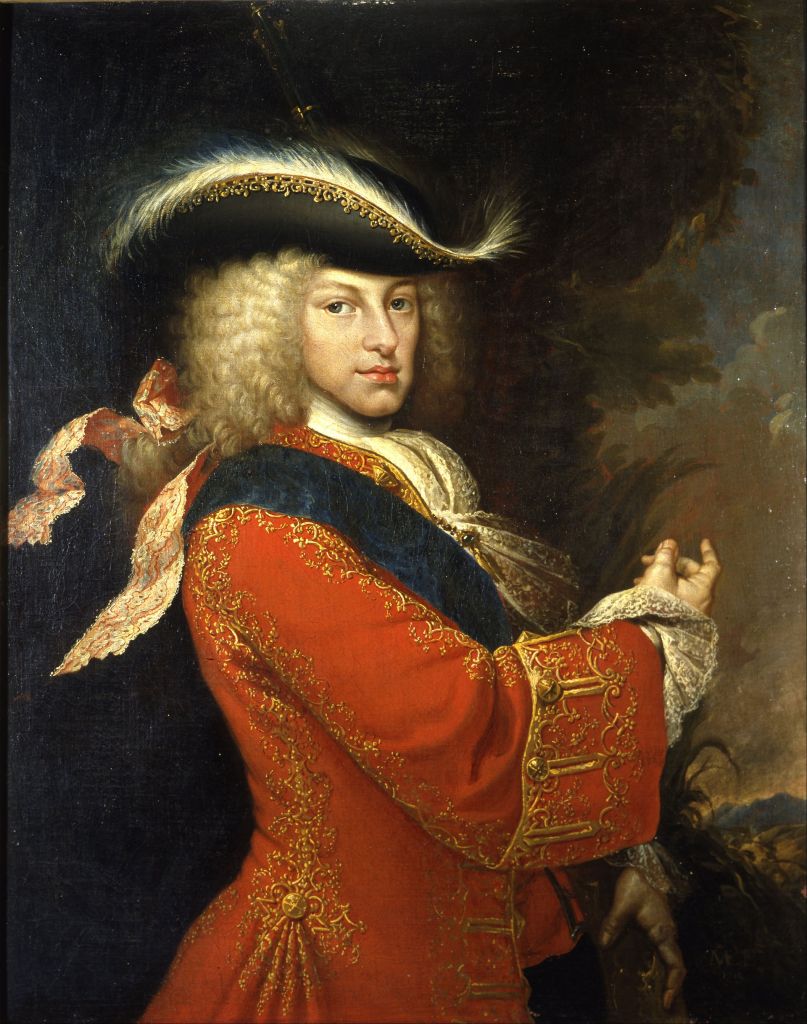

Who won? Both kinda… but not really. The great winner went onto be the British. In 1713 they created the Treaty of Utrecht that stated that Spain and France would never be united under one ruler. (This was to diminish their power and gave the British more power.) Philip V was confirmed as King of Spain and went on to rule for a total of 24 years there, but he was removed from the French line of succession. And Charles VI ruled the Holy Roman Empire for 29 years. With this treaty Spain also lost the Rock of Gibraltar, a very important water route from the Atlantic to the Mediterranean Sea to the British.
After the death of Felipe V, his son Fernando VI became king and ruled maintaining unity and neutrality on all issues. He went mad so his half brother Carlos III who had been ruling for 25 years in Naples, Italy took over. Carlos III considered himself a protector of peace and the arts. During his reign, he introduced the “Enlightenment” that looked to move Spain from its strong religious orientation. The Enlightenment’s goal was to reform the economy, politics and society in general through the lens of rationality. By 1767, the Jesuits were expelled and the powers of the Inquisition reduced. Science through physics and math become subjects taught at the universities.
In 1808, Napoleon Bonaparte invaded Spain and placed his brother Joseph Bonaparte (Jose Bonaparte) in the Spanish throne. The Spanish rebelled against the French occupation and drafted a new constitution.

Cr. Joseph Bonaparte by François Gérard, 1800
Proclaimed in 1812, this constitution favored a new kind of government: Liberalism placed political power in the hands of the people, rather than with a monarch. The French occupation in Spain, forced the removal of many important posts in the colonies. This made it easier for people who were opposed to the Spanish crown to attack and take over or fight for independence. By 1825, Cuba and Puerto Rico were the last to remain governed by the Spanish crown. The Spanish and the British united to fight the French. They defeat them at the Battle of Victoria (northern Spain). After many revolts, the throne is restored to Ferdinand VII (Fernando VII).
When Fernando VII takes over the reign of Spain, he wants to return the country to its traditional monarchic rule. He re-established the Inquisition and refused to support the constitution. The country was now divided between the absolutists who favored the monarchy and the liberals who wanted a government managed by elected officials. Quarrels over the succession of the crown led to the Carlist wars in 1833. Fernando’s VII daughter: Isabel II becomes queen but the Carlists opposed her as they wanted Fernando’s brother (Carlos) to reign. Isabel II’s reign was full of caos with six different constitutions and numerous revolts.
Note:
The dynasty of the Bourbons continues today as the actual King Felipe VI, is the great grandson of the Bourbon King Alfonso XIII.
First and Second Republic
During the 19th century, Spain was trying to figure out how to have a Republic (where people elect their leaders) and not a Monarchy (where a King is the leader by bloodline) rule their country.
Their first attempt, The First Republic (1873-1874) rose from political instability after a monarch abdicated. It faced constant challenges, including a Carlist uprising, and couldn’t hold power for long. A military coup restored the monarchy.
In April of 1898, the United States declared war on Spain after a battleship: The USS Maine exploded under mysterious circumstances in the harbor of Havana Cuba. Spain lost the war and was forced to give up the colonies of Cuba, Puerto Rico, Guam and the Philippines to the US. (To this day there is conflicting evidence and no real proof that Spain had anything to do with its destruction. For more about the theories and investigations go HERE.)
The Second Republic (1931-1936) came about after another monarchy’s fall. This Republic aimed for social reforms and a secular state, but faced opposition from conservatives and leftists. The tensions ultimately led to the Spanish Civil War (1936-1939).
The Spanish Civil War (1936-1939) was a brutal conflict between two sides:
Republicans: Loyal to the leftist, democratically-elected Popular Front government. Included socialists, communists, anarchists, and some regionalists.
Nationalists: A mix of conservatives, monarchists, fascists (Falange party), and the military led by General Francisco Franco.
Estimates of the dead during the Spanish Civil War vary, but most sources place it around 500,000. This number doesn’t include those who died from malnutrition, disease, or war-related hardships.
Pablo Picasso paints his famous “Guernica” (1937) that depicts the horror of this war:

The Franco Years 1939-1975
Franco is said to have ruled Spain with an “iron fist” for nearly 40 years. The first decade of Franco’s rule was very hard on the lower working classes. These times slowed down the industrial development of the country due to a low agricultural output.
Franco wanted a Spain that was united under his rule so he took away the rights of the Catalan, Galician and Basque provinces and outlawed the use of their languages.
Because of Franco’s ties with Italy and Germany, many countries stopped their relations with Spain. Spain was also criticized for its neutral stance during World War II. When in reality they had aided Nazi Germany with supplies and 40,000 volunteers. After the war, the United States and its allies boycotted Spain’s economically. Spain was denied membership in the United Nations as Franco was seen as the last of the Fascist Dictators.
When the cold war made enemies of the United States and the Soviet Union, Franco opposed communism. The economic boycott was lifted as Franco allowed the United States to set up military bases in Spain. Spain was finally granted membership in the United Nations in 1955.
In 1959, a stabilization plan marked the beginning of Spain’s economic recovery. By 1961, rapid industrial growth and an increase in tourism signaled an economic boon. By the 1970’s Spain enjoyed the fastest growing economy in all of Europe. A better economy lead to a better educated working class and more university students. These last ones were the first to question and manifest against Franco’s restrictive policies.
In 1969, General Franco announced that Juan Carlos I, the Grandson of Alfonso XIII of Bourbon, would be his successor. Franco felt that rule by the monarchy best suited Spain.
Franco died in 1975. Due to his human rights record, in 2007, the Spanish government removed all statues, memorials, street names and symbols related to his regime in Spain.
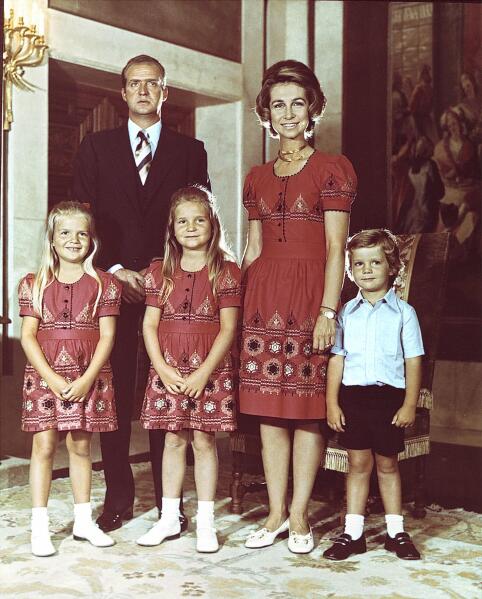
King Juan Carlos I with his wife the Queen Sofia of Greece and Denmark. On the right side is the current King Felipe VI when he was a little boy.
Juan Carlos and Democracy 1975 – Current Times
After Franco died, Juan Carlos I, the grandson of King Alfonso XIII became king in 1975.
Juan Carlos changed the framework of the government set by Franco introducing measures to install a government that represented the people, a true democracy in Spain. He allowed greater freedom of press and made political parties legal. He appointed a new prime minister, Adolfo Suarez Gonzalez in 1976.
In 1977, Spain held its first general election in 40 years. Adolfo Suarez from the “Unión de Centro Democrático” won the election continuing to be the prime minister. In 1978, a new democratic constitution was approved by parliament and by a national referendum. It is the constitution that Spain follows to this day. It formally established a “constitutional monarchy” with a parliamentary democracy. What this means is that the king is the symbolic head of state and the commander in chief of the armed forces and serves as an adviser to the prime minister. The prime minister is the one that runs the country. He is the senior minister in the executive branch of the government. With his cabinet, made up of other ministers, they vote and pass bills through the legislature.
The constitution of 1978 guaranteed the right of autonomy of the nationalities and regions in Spain. This led to the formation of Spain’s seventeen autonomous communities.

Cr. Wikimedia Commons, by Rodriguillo, edited by Nnemo. 2007
Unfortunately, this was not enough for the Basque people (northwest Spain) that for years had been trying to separate themselves into their own country. Terrorist attacks by ETA: Basque Homeland Freedom (Euskadi Ta Askatasuna) increased, resulting in many innocent casualties.
In 1981 and 1982, there were two military coups (where the military tried to take over the government). King Juan Carlos was able to suppress them.
The Spanish Socialist Worker’s Party, PSOE (Partido Socialista Obrero Español) won the 1982 elections with Felipe Gonzalez as the prime minister. He was re-elected during the next 3 elections and stayed as prime minister for 14 years (1982-1996). Socialist programs sparked an economic recovery and Spain is granted entry to the European Union in 1986.

In June 2014, Juan Carlos, citing personal reasons, abdicated in favour of his son, who acceded to the throne as Felipe VI. Since August 2020, Juan Carlos has lived in self-imposed exile from Spain over allegedly improper ties to business deals.
These are photos of King Felipe VI through time:

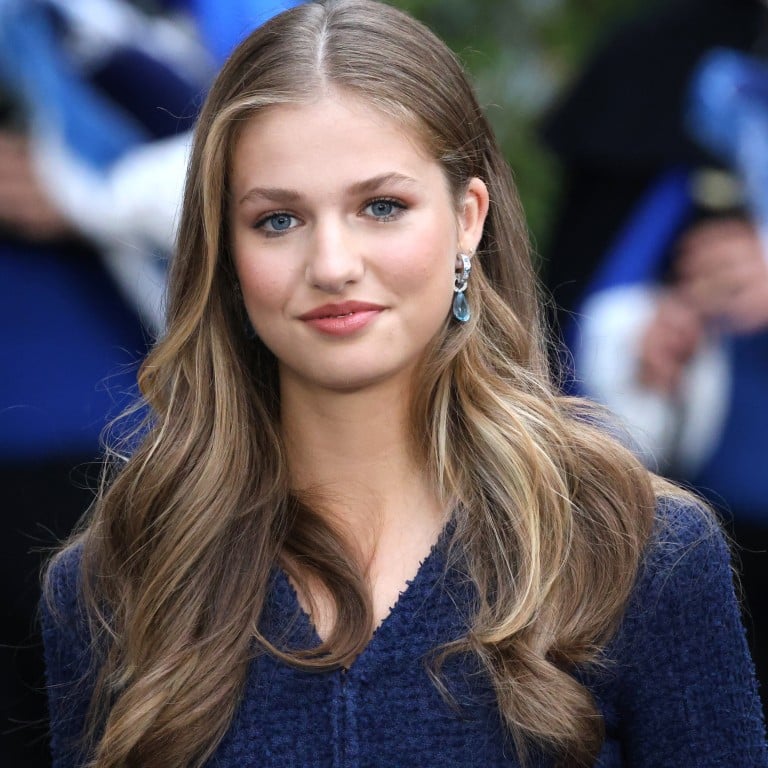
His daughter Leonor, Princesa de Asturias is the heiress presumptive to the Spanish throne. She would be the first Queen of Spain since 1868. (Laws did not allow women to rule as queens since that time) As of October of 2023 she is 18 years old:
Pedro Sánchez Pérez-Castejón, born 29 February 1972 has been Spain’s Prime Minister since June 2018. He has also been the Secretary-General of the Spanish Socialist Workers’ Party (PSOE) since June 2017.
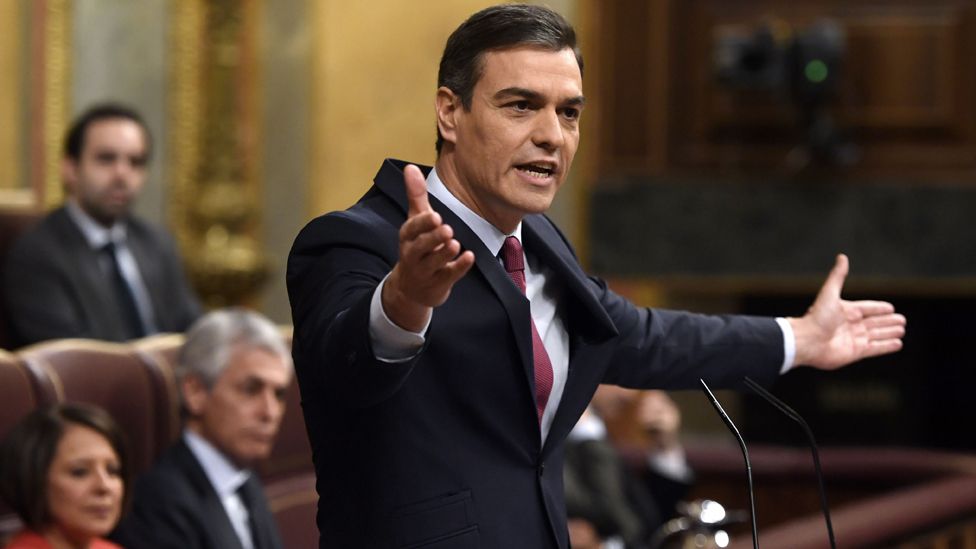
Pedro Sánchez Pérez-Castejón, the current Prime Minister of Spain.
Spain's History to be continued...
 Alphabet Space