Hello! In this page I will cover the remaining four geographical areas of Peru:
5. La Puna
6. La Janca
7. La Rupa Rupa or Selva Alta (High Jungle)
8. Omagua or Selva Baja (Low Jungle)
La Puna
The Puna region, sitting between 4,100 and 4,800 meters (13,451 to 15,748 feet), is a vast and rugged high-altitude plateau where the air is thin and the climate is unforgiving. During the day, the intense Andean sun can bring positive, relatively mild temperatures, but as soon as it sets, the heat escapes rapidly into the thin atmosphere, causing temperatures to plummet below 0°C (32°F) every single night. In this high-stress environment, only the hardiest life forms survive. The landscape is dominated by resilient vegetation like cacti and the golden ichu grass, while the edges of high-altitude lakes and swampy wetlands are lined with totoras. Despite the cold, ancient and modern farmers have successfully cultivated high-energy crops like barley, potatoes, and maca, a root known for its ability to thrive in the harshest soils.
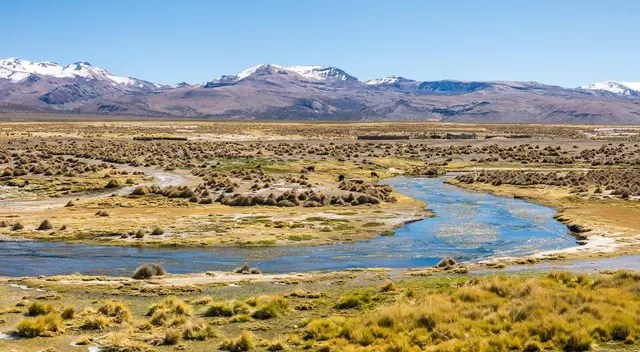
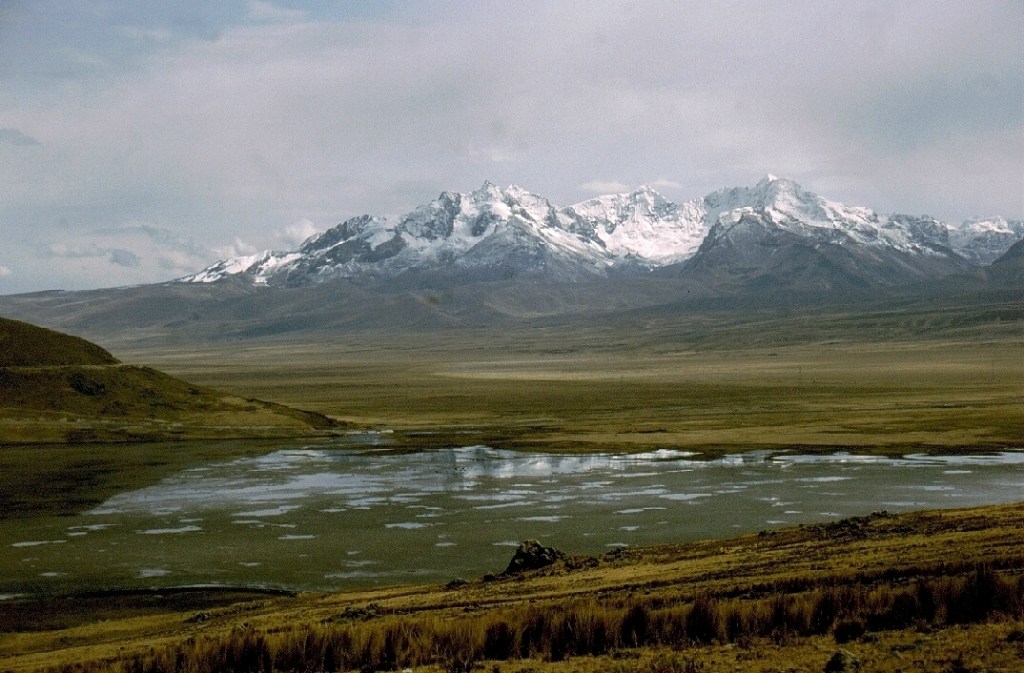
Cr. Wikimedia Commons, Hans-Peter Thomas
The wildlife of the Puna is equally specialized for life in the clouds, featuring the “Big Four” of the South American camelid family: the domesticated llama and alpaca, and their wild, graceful cousins, the vicuña and guanaco. The skies are patrolled by the massive Andean condor, while the high-altitude wetlands create a surprising contrast of color, serving as home to the huallata (Andean goose), wild ducks, and even vibrant flamingos that wade through the icy waters. This region is a land of extremes, where the silence of the massive cliffs and the endless golden plains create one of the most beautiful yet challenging ecosystems on the planet.
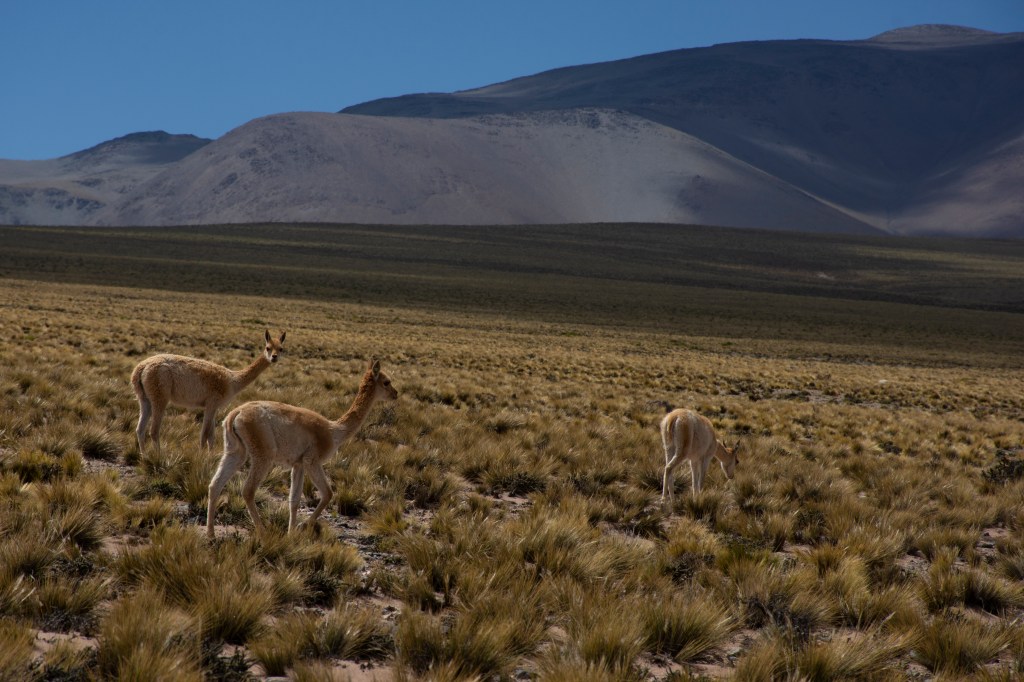
To learn about the origin of the llama watch this short video:
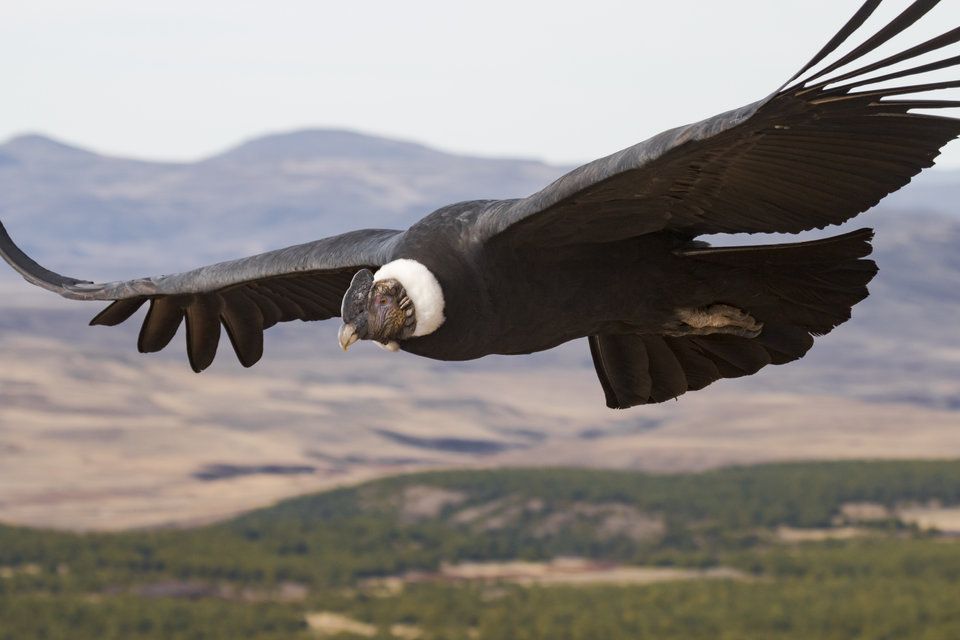
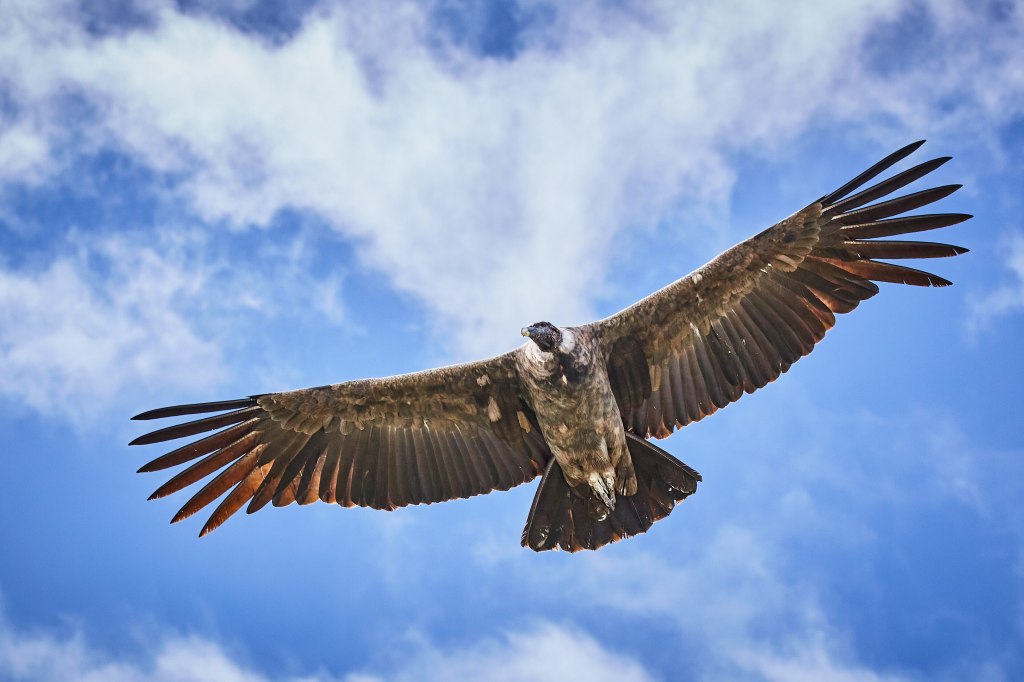
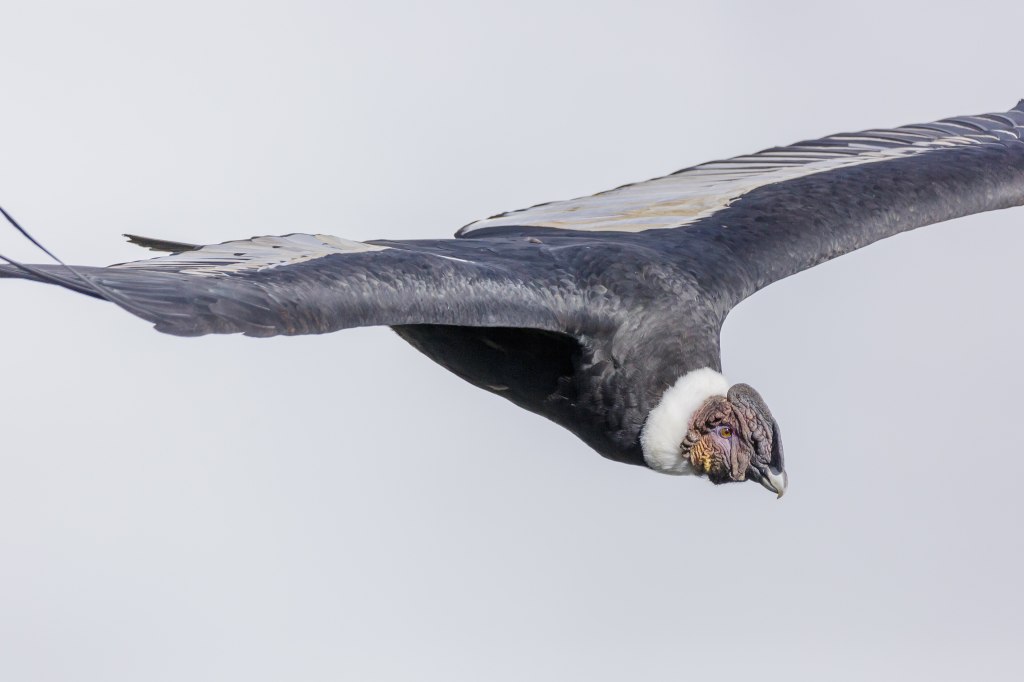
Another incredible animal that live in La Puna is the Andean condor (Vultur gryphus). This bird is a true titan of the skies, holding the title of the world’s largest flying bird by combined weight and wingspan. With a massive span reaching up to 10.5 feet, a perched condor stands about 4 feet tall, making it roughly the same height as an average 7-year-old child. Despite their heavy frames, these scavengers are masters of energy efficiency; researchers have documented them soaring for up to 100 miles (and theoretically much further under perfect conditions) without flapping their wings once. By expertly navigating thermal updrafts and mountain currents, they spend 99% of their flight time in a glide, patrolling the vast Andean peaks with a prehistoric grace that belies their enormous size.
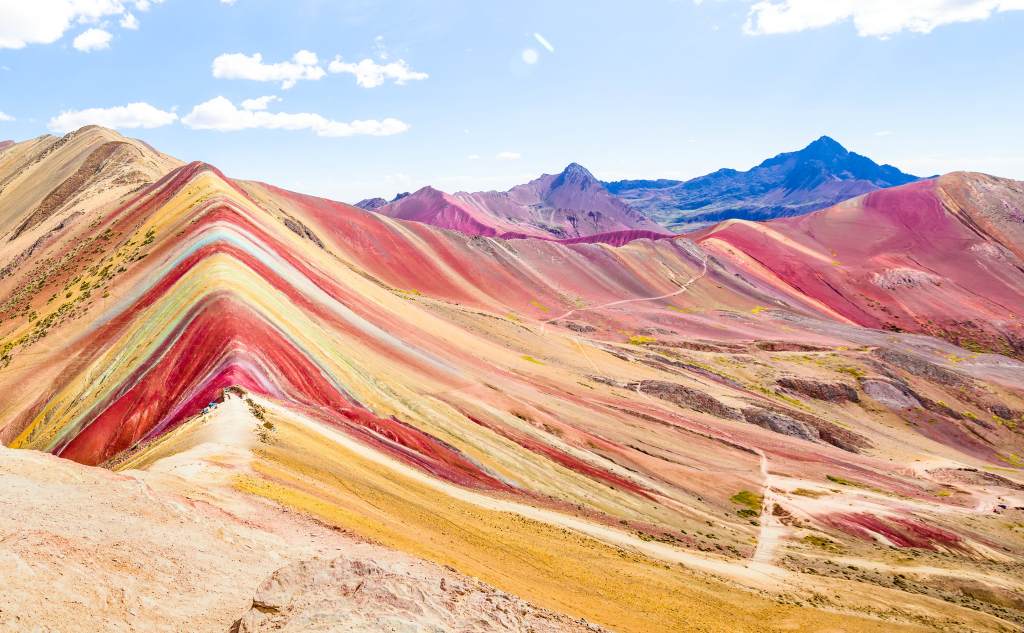
An incredible color phenomenon takes place in some mountains referred to as “The Rainbow Mountains,”
The Rainbow Mountains, known in the indigenous Quechua language as Vinicunca (meaning “Neck of the Colors”) or Palccoyo, are a geological wonder located in the Cusco region of the Peruvian Andes at an altitude of over 5,200 meters (17,060 feet). These striking peaks owe their vibrant, multi-colored stripes to a rare combination of sedimentary mineral layers—such as iron oxide for the reds, goethite for the yellows, and chlorite for the greens—that were pushed upward by tectonic activity millions of years ago.
Interestingly, these mountains were hidden under a layer of permanent ice for centuries and only became a global sensation around 2015, when climate change caused the snow to melt and reveal the brilliant colors beneath. To the local Andean communities, these mountains are considered sacred “Apus” or mountain spirits that protect the surrounding high-altitude Puna and its roaming herds of alpacas.
La Janca
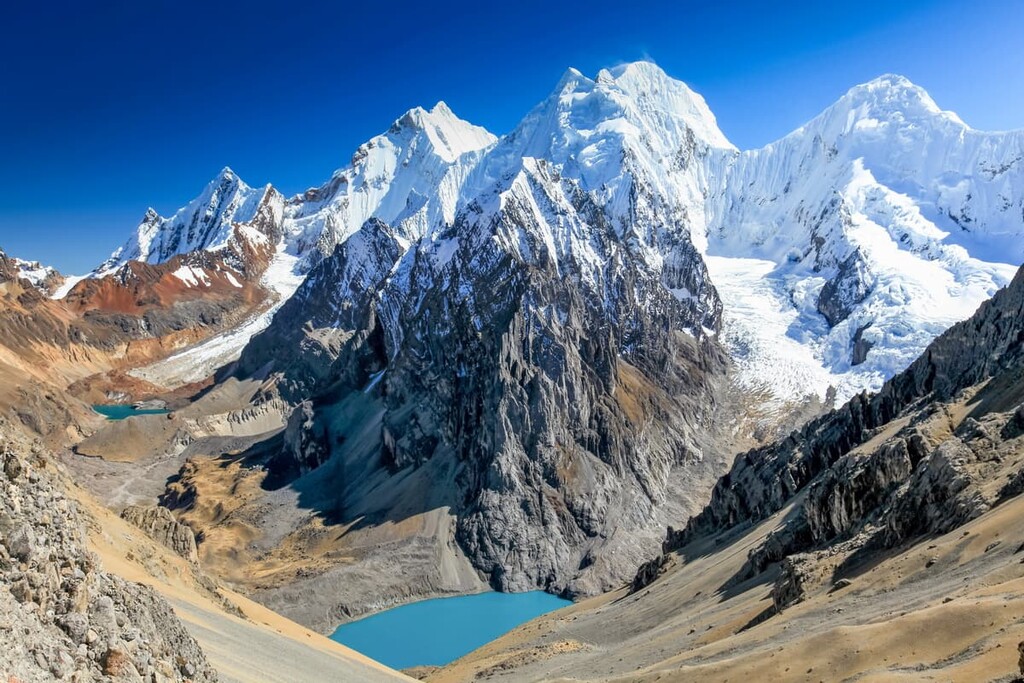
La Janca, also known as the Cordillera, is the highest natural region of the Peruvian Andes, situated between 4,800 and 6,768 meters above sea level. This is a world of eternal snow, jagged peaks, and crystalline glaciers where the air is thin and the silence is profound. The most incredible sights are undoubtedly the towering massifs like Huascarán, the highest peak in Peru.
Huascarán National Park
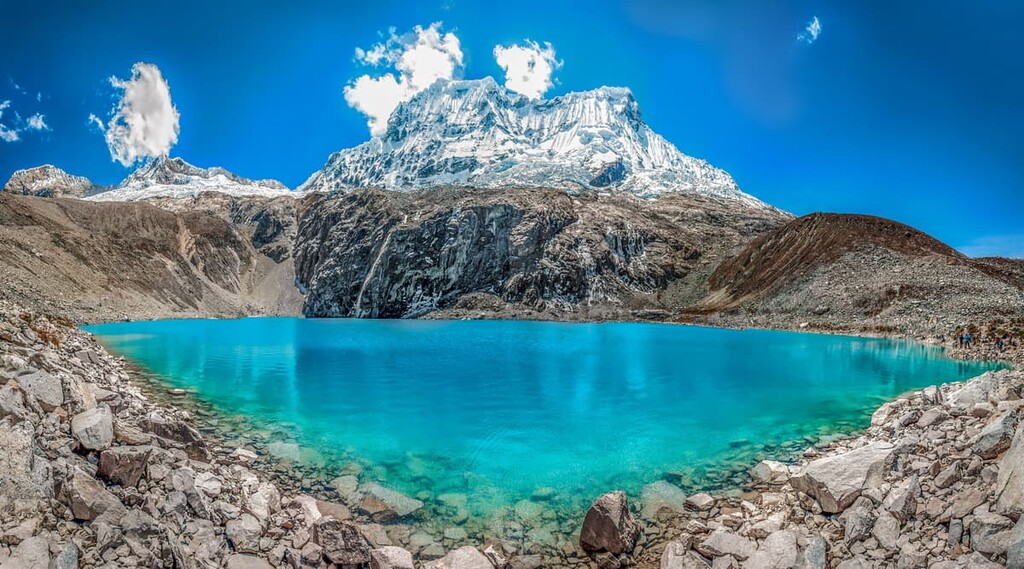
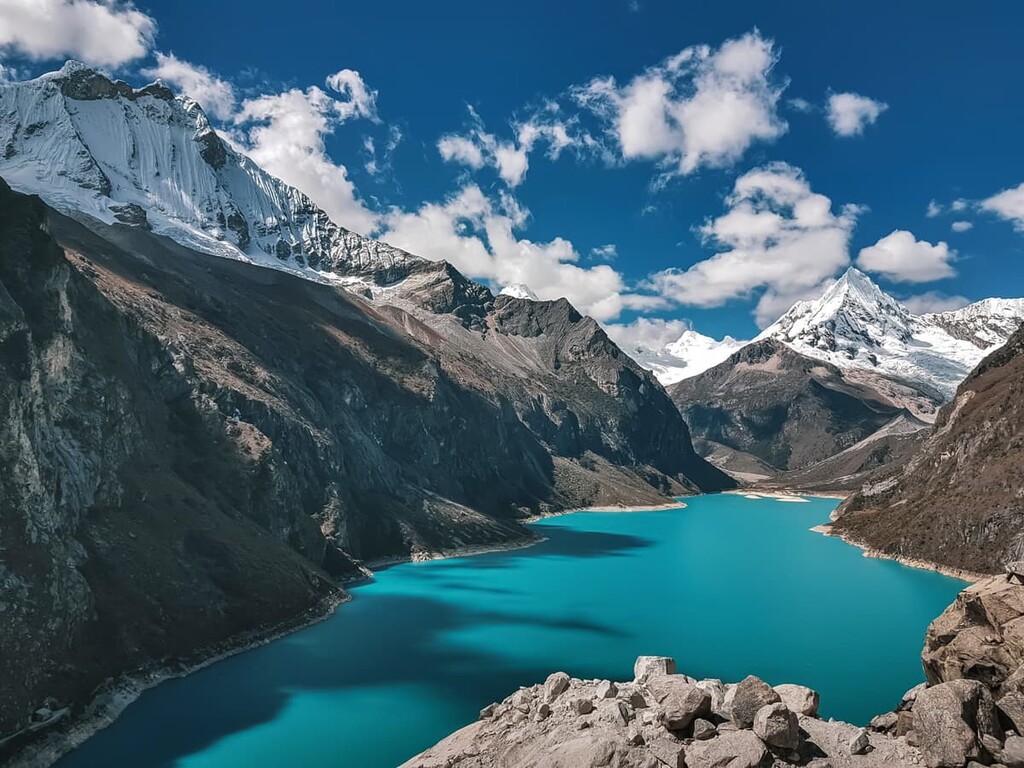
Established in 1975 and currently celebrating its 50th anniversary, Huascarán National Park is a UNESCO World Heritage site that protects the heart of the Cordillera Blanca, the world’s highest tropical mountain range. Spanning approximately 840,000 acres, the park is a dramatic high-altitude sanctuary containing 27 peaks over 20,000 feet, more than 600 glaciers, and nearly 300 stunning turquoise glacial lakes like Laguna 69 and Llanganuco.
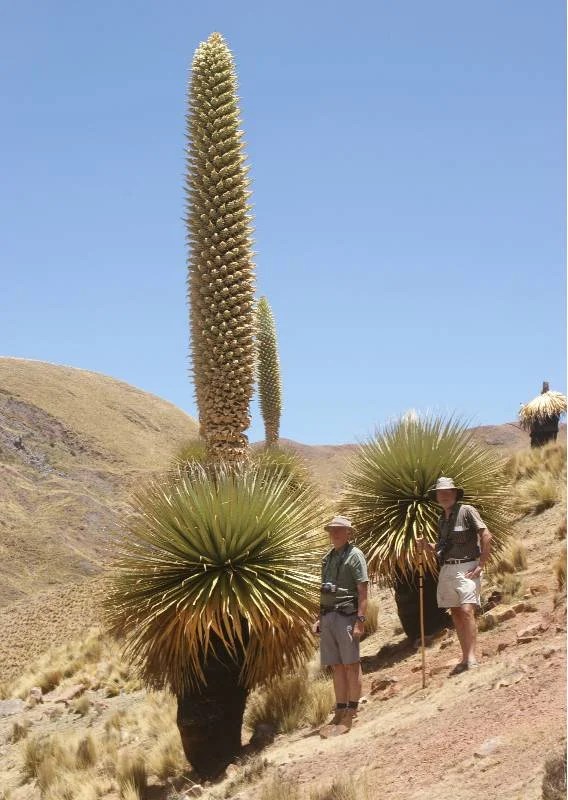
Despite the freezing temperatures and rocky terrain, the region is home to the legendary Puya raimondii, an endemic bromeliad that can grow up to 30 feet tall and lives for a century before producing a single, massive bloom of thousands of flowers.
It serves as a vital refuge for rare Andean wildlife, including the spectacled bear, the Andean condor, and the prehistoric-looking Puya raimondii plant, which can grow up to 40 feet tall.
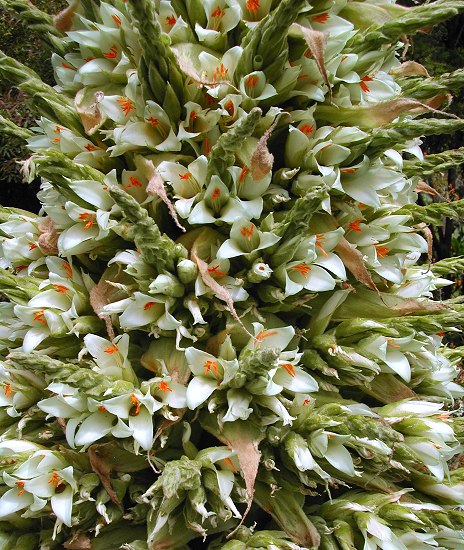
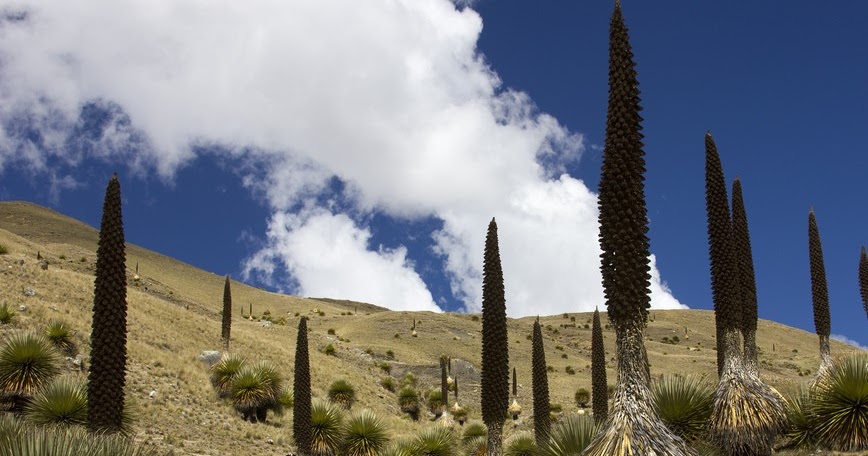
Puya raimondii (Queen of the Andes)
The Puya raimondii, or “Queen of the Andes,” is the world’s largest bromeliad, growing up to 40 feet tall in the high-altitude puna. This “living fossil” lives for nearly 100 years but blooms only once at the end of its life, producing a massive spike with 8,000 to 20,000 flowers and millions of seeds before finally dying.
Andean Condor
The Andean Condor is one of the largest flying birds in the entire world! With a massive wingspan that can stretch up to 10 feet wide, these magnificent black birds are masters of the air, capable of gliding for over 100 miles without even flapping their wings once! They are easily recognized by the fluffy white “collar” of feathers around their necks and their bald heads, which stay clean as they perform their important job as nature’s cleanup crew by eating dead animals. Because they can live for over 60 years and fly vast distances in a single day, the ancient Incas considered the condor a sacred messenger that connected the earth to the heavens.
La Selva Alta or Rupa Rupa
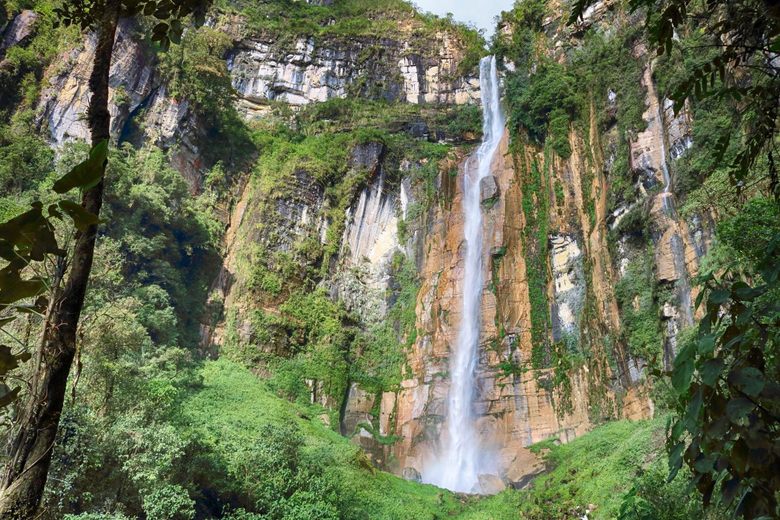
The High Jungle also known as Rupa Rupa, is a vibrant transition zone where the Andes Mountains meet the Amazon basin, sitting between 400 and 1,000 meters in altitude. This region is defined by its dramatic geography of steep, forested foothills and “pongos,” which are deep, narrow river canyons carved by powerful water and used as gateways between the highlands and the lowlands. The climate here is the rainiest in all of Peru—characterized by intense heat and high humidity—which creates a lush, emerald-green landscape that is almost always shrouded in mist and clouds.
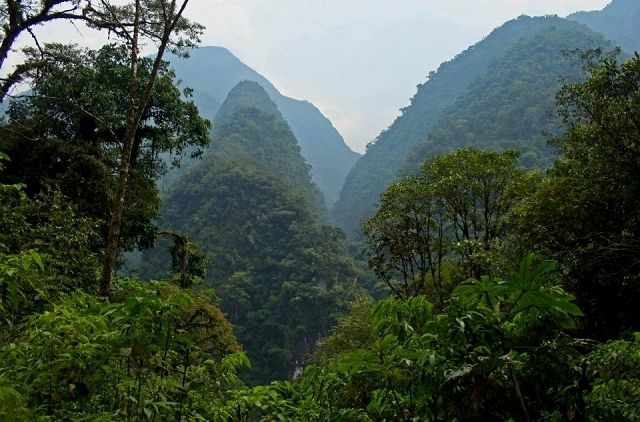
This tropical environment supports an incredible explosion of biodiversity, making it one of the most life-dense areas on the planet. The thick canopy and winding valleys provide a home for iconic predators like the jaguar, as well as the tapir(sachavaca) and the peccary (sajino), which roam the forest floor. It is also the primary habitat of Peru’s national bird, the bright orange Cock-of-the-rock, and serves as a vital agricultural zone for tropical crops like coffee and cacao.
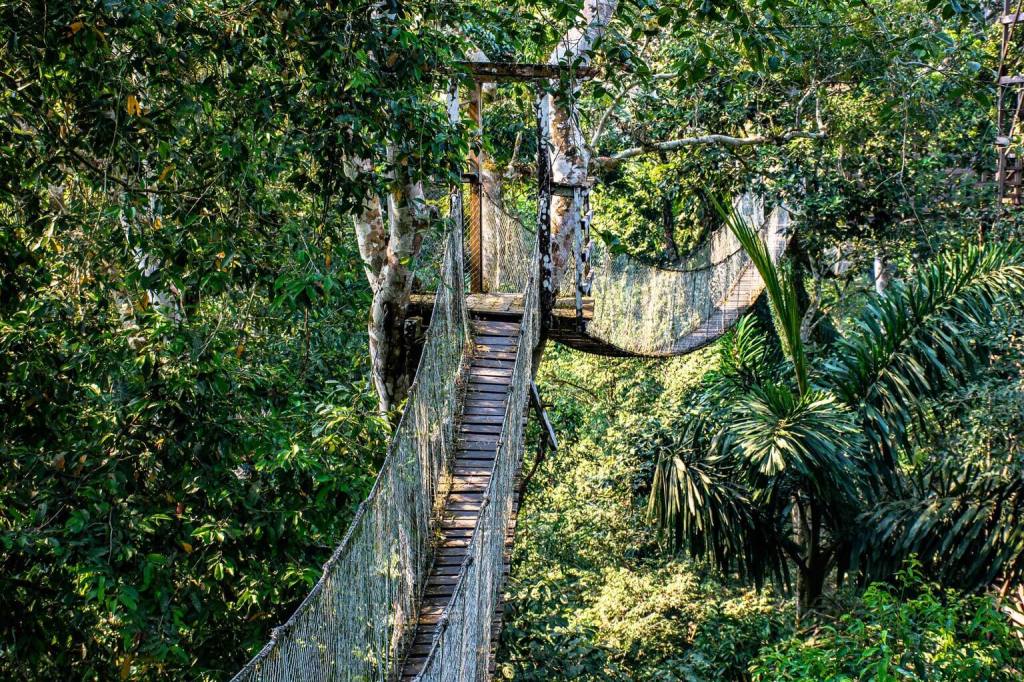
This is a canopy trek one can visit in Puerto Maldonado, Peru:
Jaguars
Called by Peruvians Orotongo, the jaguar has the most powerful bite of any big cat in the world—even stronger than a lion or a tiger! Their jaws are so incredibly strong that they can easily bite through the hard, bony shells of large turtles and the thick, armored skin of caimans (a type of alligator found in the Amazon). Unlike most house cats, they will dive right into the deep rivers of the Rupa Rupa and the low jungle to hunt for fish or to travel between islands.
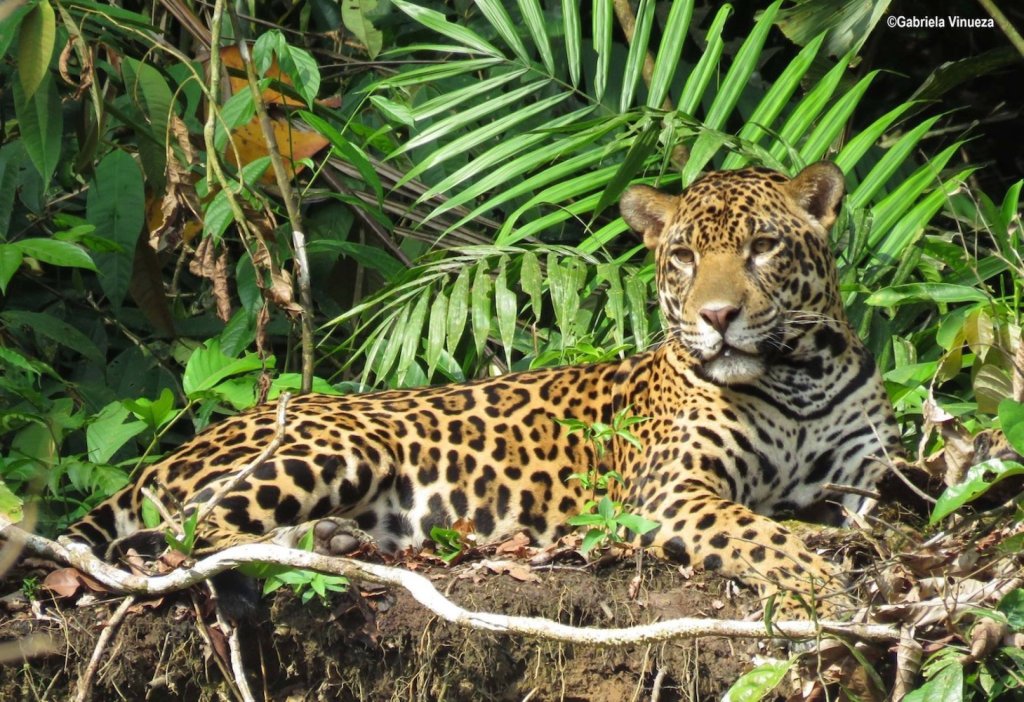
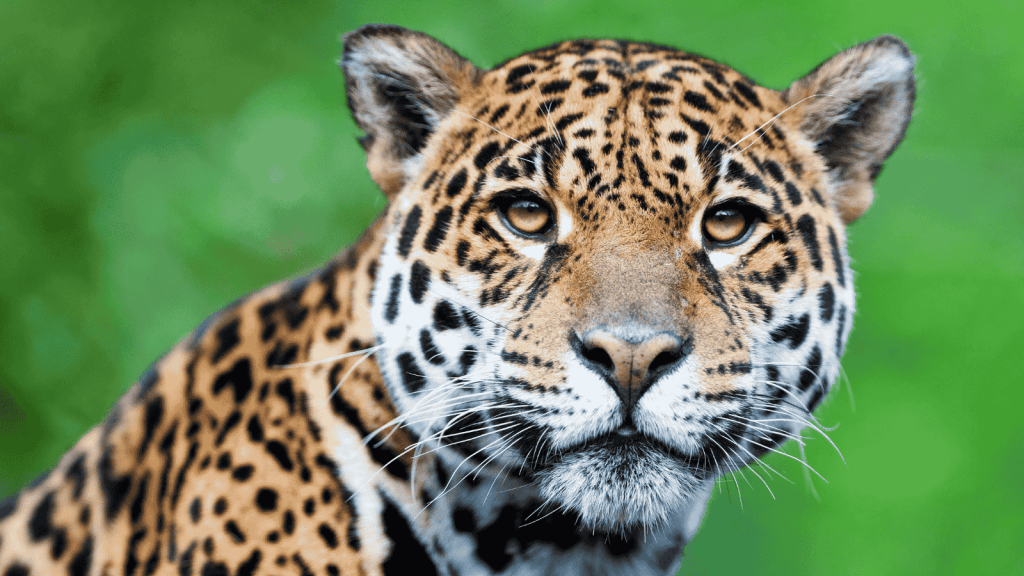
Do you want to see a jaguar attacking a caiman? See the link below:
https://www.pbs.org/video/nature-jaguar-attacks-caiman-crocodile/
La Selva Baja or Omagua
The Omagua region, also known as the Low Jungle (Selva Baja), is the largest of Peru’s natural regions, spanning the vast Amazonian plain between 80 and 400 meters above sea level. It is a world of endless green, characterized by a flat landscape of tropical rainforest and a massive network of winding rivers that create meanders, swamps, and lagoons. The climate is very warm and humid, with average temperatures around 28°C (82°F), making it a place where the air always feels thick with moisture and life.
This region is home to some of the most iconic wildlife in the Amazon, including the Pink River Dolphin, the black caiman, and the Paiche, one of the world’s largest freshwater fish. On land, you’ll find the capybara (the world’s largest rodent), giant otters, and the stealthy Otorongo (jaguar). The Omagua is also named after the indigenous Omagua people, once a powerful and organized society known for their advanced pottery.
There is an incredible river called the Shanay-Timpishka. This four-mile-long river features water that reaches temperatures of nearly 200°F—hot enough to brew tea or cook an egg instantly! Unlike most hot springs that are powered by nearby volcanoes, this river is a rare scientific marvel because there are no volcanoes in the area. Instead, as a Peruvian geoscientist named Andrés Ruzo in 2011 realized, the water is heated deep inside the Earth’s crust and forced back up through a fault line (or crack coming from deep the Earth’s core, creating a steaming, bubbling “enchanted” river that flows right through the middle of the rainforest.
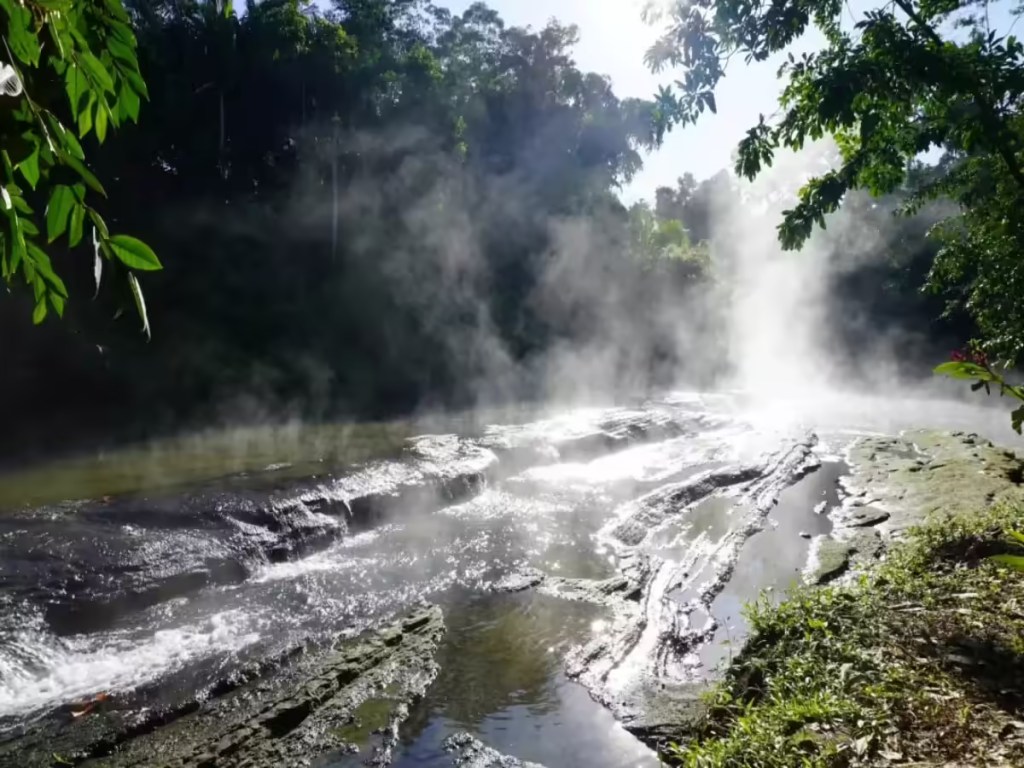
According to local tradition, the river’s heat comes from Yacumama (Mother of the Waters). She is depicted as a colossal serpent spirit that lives in the depths of the Earth. The legend says that Yacumama is so powerful that she “cooks” the water as it passes through her body. At the headwaters of the river, there is a large rock formation that looks like a snake’s head, which locals believe is the spot where the serpent spirit births the boiling water into our world.
The name Shanay-timpishka is fascinating because of that translation: “boiled with the heat of the sun.” While the sun doesn’t literally heat the water, the name reflects the ancient belief that the river’s energy is connected to the celestial power of the sun. Local shamans often visit the river to communicate with spirits and use the water for healing rituals, believing that the steam carries prayers to the spirit world.
There are so many incredible animals in the rainforest. It is so hard to choose one… but I found that maybe you’ve never heard of.
The Hoatzin
Also known as the dinasour bird, and the stinkbird, the Hoatzin (Opisthocomus hoazin) is a very strange bird that is native to the Amazon Rainforest. It lives and nests in branches usually over rivers. It looks like this as an adult bird:
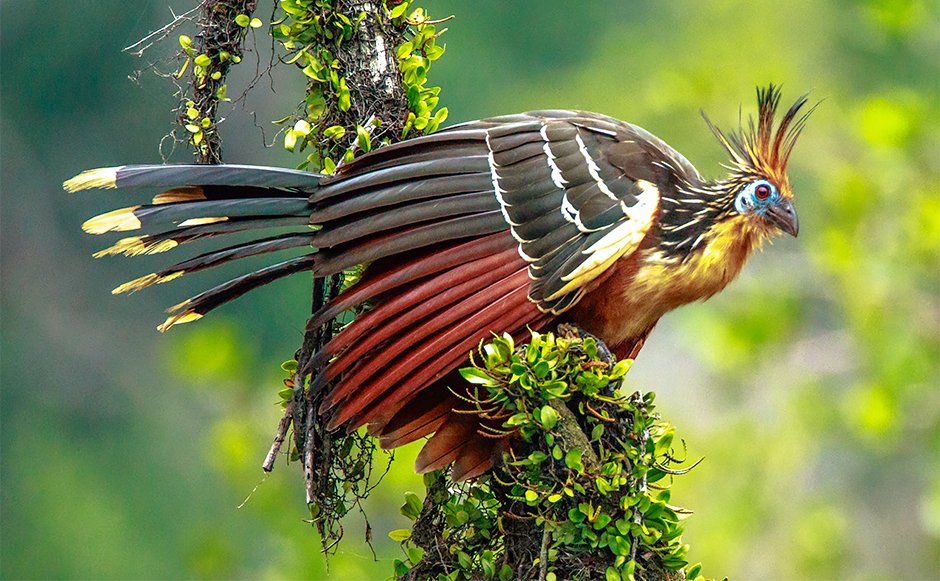
Beautiful huh? Now there are two facts that make this bird unique. One is that as a young bird, it can swim and then climb trunks with… claws it has in its wings! The second and truly unique fact is that like a cow, it has a fermenting stomach! So because it only eats leaves, and it ferments the leaves, it stinks like manure! (Yes cow’s poop!). See if you can see the claws on the baby bird’s wings in the following photo:
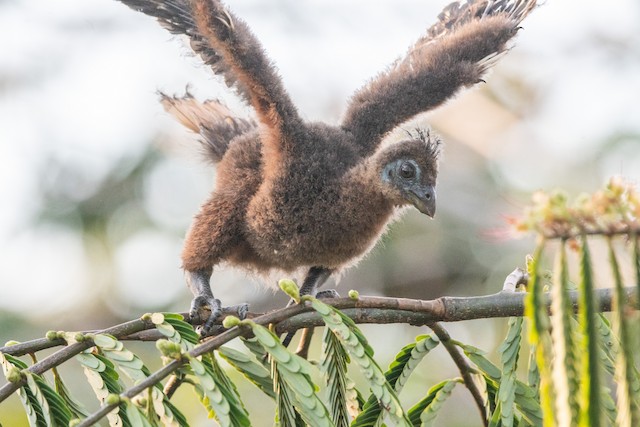
Watch this video to see a Hoazin chick climb! It is incredible!
Ready to learn about an incredible plant now?
Well I will tell you that the leaf of this plant can grow to be up 10 feet in diameter! It is so strong it can hold a small child up to 100 pounds! Can you guess what plant it is?
Victoria Amazónica
This plant is a giant water lily! that thrives in the “oxbow lakes” (cochas) and slow-moving backwaters of the Ucayali and Marañón rivers, which eventually join to form the Amazon River. An oxbow lake is a U-shaped body of water that forms when a wide meander (a big curve) from a river is cut off. It has calm waters too.
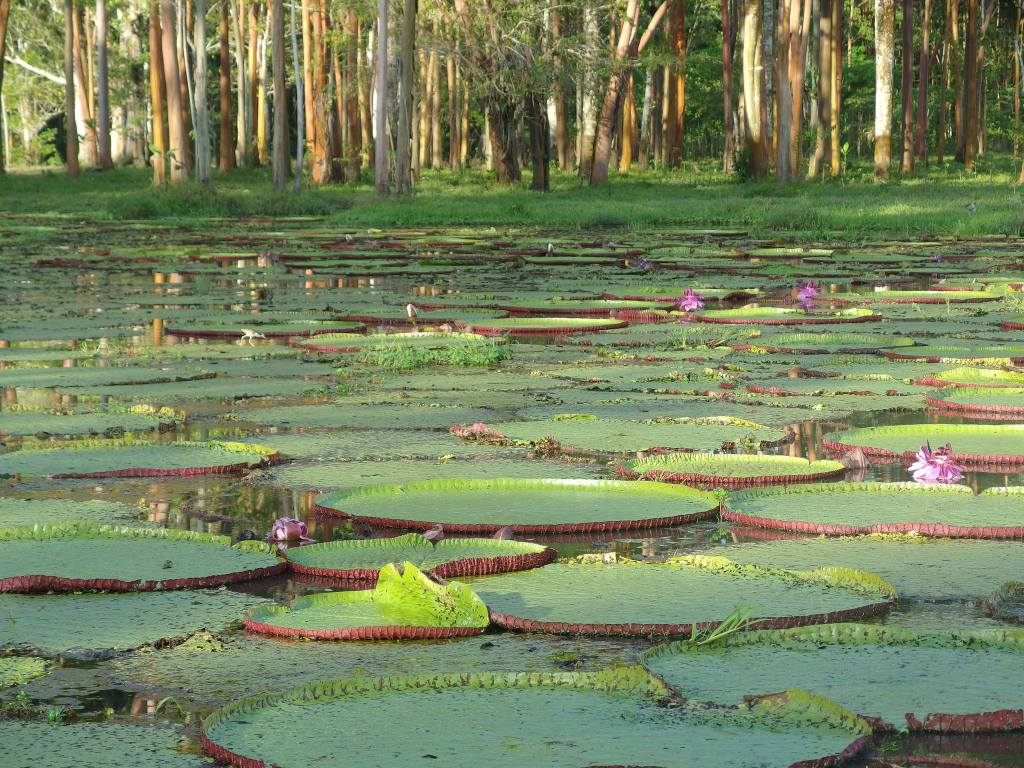
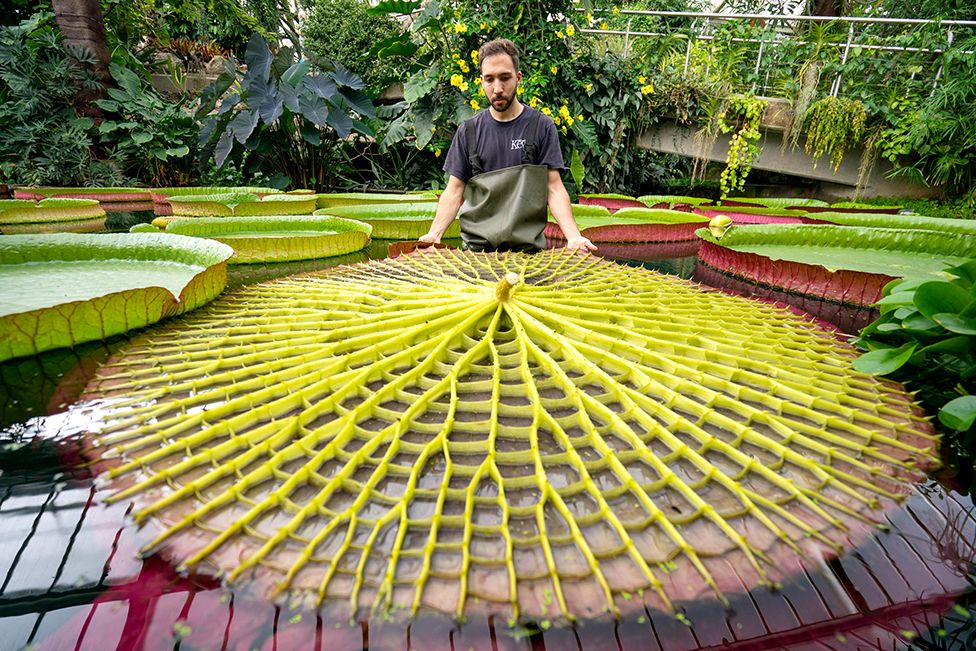
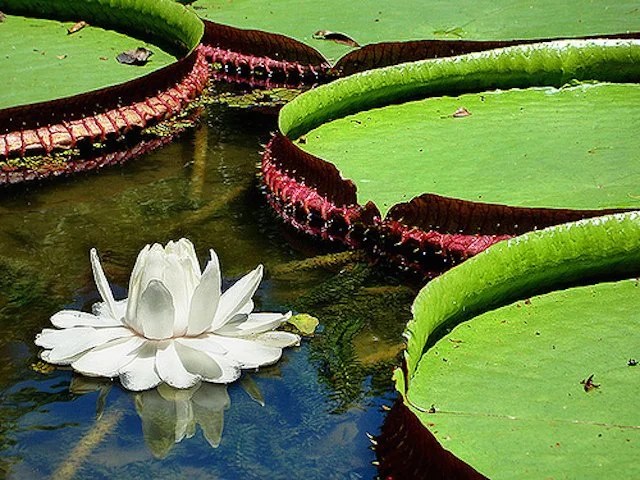
How would you like to sit on one?
Well this concludes our travels through the three geographical regions of Peru.
 Alphabet Space